Advertising & Marketing

Custom Pest Control Marketing Services By Marketing 1on1

When homeowners require urgent service, local visibility is vital. This guide provides useful steps to improve rankings for pest control services. Its goal is to attract more local customers across the United States.

SEO For Exterminators
According to PestPac (2024), the U.S. is home to roughly 31,000 pest control businesses that produce over $17 billion each year. In such a crowded field, strong pest control SEO and higher Google rankings are essential. Those gains can lead to more leads, more repeat residential contracts, and larger commercial accounts.

Queries like “exterminator near me” are often immediate and commonly come from mobile devices. Homeowners usually call the first credible company they find. Learn how to boost local SEO for pest control so you can capture urgent demand and increase your call volume.

This article covers Google Business Profile optimization, on-site SEO, off-site SEO, and technical essentials. It also covers review and reputation tactics, timelines, expected costs, and whether to manage pest control SEO in-house or hire an agency like Marketing 1 On 1. They can also evaluate local strategies for you.

  • Improving local visibility often increases urgent inbound calls and lead quality.
  • PestPac data shows that this is a highly competitive market, and the strongest SEO performers capture most of the demand.
  • The core pest control SEO basics are localized content, reviews, and Google Business Profile optimization.
  • Because search behavior is now mobile-first, fast and clear business listings are important for conversions.
  • Agencies with home-services experience can speed up audits and implementation for faster ROI.

Why Local SEO Is Important For Pest Control Companies

Homeowners often search for pest control services in time-sensitive situations, such as ants in the kitchen or termites in the walls. Most use mobile devices and call the first company they trust. That urgency makes local SEO critical for pest control companies that want to rank higher.

Google’s Map Pack and first-page organic listings capture most clicks and phone calls. Appearing among the top pest control websites can lead to more booked jobs. To capture those frantic callers, pest control companies need to make contact quick and easy.

Using localized keywords that combine city names with specific services helps match user intent and improve organic search visibility. Optimizing service pages and location pages with those targeted phrases makes it easier for customers to find the right provider quickly. Seasonal content should likewise be targeted to match demand peaks.

The pest control industry is highly competitive, with over 31,000 companies in the U.S. according to PestPac 2024. That competition makes SEO for exterminators especially valuable. The top-ranked companies receive most of the calls, which is why ongoing SEO matters.

In competitive markets, companies often need a larger monthly budget and smarter tactics to win more local search volume. Companies that neglect local SEO frequently lose business to competitors with more optimized profiles and websites. A tight focus on the actual service area helps avoid wasting resources.

Pest demand shifts with the seasons. Ants and mosquitoes are more common in spring and summer, while rodents often become more active in fall. Building location-specific landing pages and seasonal campaigns can help capture those seasonal spikes. That strategy supports stronger organic search and better local SEO for pest control services.

Online Marketing For Pest Control Services

Google Business Profile Optimization For Pest Control Companies

Google Business Profile is one of the most important tools for local visibility in pest control. A well-built and fully optimized profile can strengthen Google rankings and send important signals to both the Map Pack and organic search. That stronger visibility helps more nearby customers discover your pest control services.

Choose precise categories and list services that match what customers actually search for. Set the primary category to Pest Control Service, then add Exterminator and specific pest categories when available. Use service names like ant control, termite treatment, and bed bug treatment to strengthen pest control keyword optimization.

Complete every field in the profile with accurate NAP and verified business information. When technicians travel to customers, the company should be marked as a Service Area Business. Define a service radius and name the main city plus surrounding towns to strengthen local SEO for pest control.

Use authentic photos of trucks, technicians, and before-and-after jobs rather than stock images. Regular posts featuring seasonal tips, specials, and safety advice keep the profile active. Service descriptions and listings should also include local modifiers and targeted phrases in a natural way.

Create a review process that requests customer feedback after each completed job using a direct Google review link. Ask customers to mention punctuality, safety around kids and pets, and technician professionalism. Reply to reviews quickly to show that your company cares and to protect your reputation. A steady stream of recent positive reviews sends strong signals for pest control SEO.

On-Site SEO And Content Strategy For Pest Control Websites

A strong on-site strategy is key for improving organic search performance for pest control services. The goal is to build clear pages that match search intent. Focus on detailed service information, local relevance, and fast load times so the site meets the expectations of users and search engines. This combination helps the site rank more effectively.

Begin with dedicated service pages for common pest problems like ants, termites, bed bugs, rodents, and mosquitoes. Every page should address common customer questions and outline treatment options. This supports pest control keyword optimization and helps Google connect your site with specific searches.

Build separate location pages for each city in your service area. Every page should include unique local content that mentions regional pests, local rules, and service-specific notes. These local pages strengthen local SEO for pest control and improve visibility in maps and organic results.

Optimize title tags, meta descriptions, URLs, and headings for relevance and clarity. Keep title tags within recommended lengths and include the target keyword plus the city when appropriate. Use clean URLs and readable headings so the content is easy to scan, which supports pest control SEO.

Produce strong localized content such as how-to guides, pest ID posts, and seasonal advice. Build seasonal pages around topics like spring ant prevention or summer mosquito control to capture search spikes. Link those pages to related blog posts and location pages to improve topical authority and pest control keyword optimization.

Mobile optimization and site speed are especially important for pest control websites. Because most pest control searches happen on mobile devices, users expect click-to-call buttons and straightforward contact forms. Try to keep page load time under three seconds and improve Core Web Vitals so you do not lose calls or rankings. Fast hosting, modern image formats, and caching all support better pest control website optimization.

Implementing schema markup can enhance how your pages show up in search. Use LocalBusiness, Service, AggregateRating, and FAQ schema to increase the chance of earning stars, service snippets, and answer-style results. These enhancements can strengthen organic search performance for pest control services and help the site compete with top-ranking pest control websites.

Every page should include clear calls to action, such as a phone number in the header, click-to-call on mobile, and a short contact form. Include an emergency or same-day appointment CTA to appeal to urgent customers. Strong CTAs improve conversion rates and support broader pest control SEO goals.

Off-Site SEO For Citations, Local Links, And Authority

Search engines rely heavily on off-site signals when judging local pest control businesses. Consistent citations and targeted outreach help strengthen brand trust. That work can significantly improve local search visibility and strengthen broader pest control SEO campaigns.

Ensure your name, address, and phone number remain consistent across all platforms. This includes Google Business Profile, Yelp, Facebook, and other directories. Regular audits help maintain consistency, which is important for stronger rankings in competitive markets.

Focused outreach is a strong way to build local backlinks. Working with local newspapers, neighborhood blogs, and community organizations can generate valuable mentions. Sponsoring events or sports teams may also secure links from community websites. Those backlinks strengthen local relevance and can improve organic search rankings.

Build industry authority through strategic backlinks from reputable sources. Pitch guest articles to trusted publications and trade blogs. Focus on practical pest-management content that helps readers. High-quality contributions can drive referral traffic and elevate your website’s authority.

Work with complementary businesses to build referrals and backlinks. Home inspectors, real estate agents, and HVAC companies are all useful partners. Suppliers and distributors may also offer partner pages or case-study opportunities.

Create local resources that people naturally want to mention and link to. Neighborhood pest guides, seasonal calendars, and technician spotlights are strong examples. Sharing those resources on social media can increase reach, engagement, and visibility.

Stay active in the local community. Share real photos of technicians, highlight sponsorships, and promote volunteer efforts. That type of community involvement can lead to local press mentions, valuable backlinks, and stronger trust signals.

The table below compares common off-site actions and the typical value they can offer a pest control company. It gives a simple view of where each tactic tends to fit best.

Off-Site SEO Action Common Benefit Ideal Use Case
Consistent NAP in directories Stronger local ranking signals and fewer listing errors All markets; essential for basic pest control SEO
Local news and Chamber backlinks Credible local backlinks plus referral traffic Community outreach and sponsorship campaigns
Industry guest posts Authority-focused backlinks and improved topical relevance Growing credibility with professional readers
Supplier partner pages Strong mentions and useful case-study links Vendors that offer co-marketing programs
Local resource assets Earned organic links and social shares Area guides, seasonal content, and local pages
Social promotion on Nextdoor/Instagram More brand awareness and stronger engagement signals Technician spotlights and local campaigns

Ways To Improve Rankings For Pest Control Services

Begin with a thorough audit and a realistic timeline. Months one and two should be dedicated to foundational tasks. This includes claiming your Google Business Profile, correcting NAP consistency across directories, and running a technical audit for mobile performance and speed. You should also set up analytics and call tracking, then build initial service and location pages to support organic search and pest control website optimization.

The third and fourth months are generally focused on early progress. Create targeted service pages and seasonal blog content. Clean up citations, begin local link outreach, and launch a review-generation process. During this phase, early rankings for long-tail phrases and improved Google visibility for pest control companies often begin to appear.

By the fifth and sixth months, you should start seeing more meaningful progress. Continue creating content, earning links, and refining on-site conversion elements. Rankings for competitive local keywords should improve, and phone leads should become more consistent. This is often where the value of pest control SEO and SEO for exterminators becomes easier to measure.

The six-to-twelve-month window is often when stronger results really take hold. Main keywords and priority service areas can build established visibility, while consistent organic leads begin to come in. In more competitive markets, ongoing work after month 12 may still be required to grow and protect rankings. Continued pest control website optimization helps hold those gains in place.

Ongoing Work And Monthly Investment

Typical monthly work includes content creation, Google Business Profile management, reviews, citation upkeep, local link outreach, technical monitoring, and conversion optimization. Monthly costs often range from $750 to $2,500, depending on the size of the market. Smaller markets may perform well at $750 to $1,000 per month, while large metro areas may require $1,500 to $2,500 or more.

Reporting And KPIs To Measure Progress

Monitor organic traffic, Google Business Profile views and actions, rankings for service-plus-city terms, phone leads, form submissions, conversion rate, and backlinks acquired. Use call tracking and lead attribution so revenue can be connected to local SEO performance and ROI from organic search for pest control services.

Handling It Yourself Vs Hiring An Agency

Owners can usually manage core tasks such as claiming and maintaining Google Business Profile, asking for reviews after jobs, keeping NAP accurate, and posting updates. These responsibilities mostly demand consistency and time. More advanced elements like technical SEO, schema markup, link outreach, and long-term content strategy often benefit from an agency experienced in SEO for exterminators.

When evaluating an agency, look at home-services experience, transparent reporting, realistic timelines, and case studies. Comparing monthly spend against lifetime customer value makes it easier to justify the investment needed to improve local SEO for pest control and increase visibility.

Final Thoughts

If you want to improve rankings for pest control services, follow a clear, step-by-step path. Begin with Google Business Profile optimization, citation consistency, and pest-specific plus location-based pages. Support those efforts with technical work such as mobile optimization and faster page speed. Schema markup also helps search engines and users better understand your website.

A steady review and reputation strategy is also important. Local backlinks and industry links can further increase visibility. These are the signals pest control companies need to compete effectively.

Patience is important because SEO improvements build gradually over time. Foundational fixes usually happen in months one and two, early gains often arrive in months three and four, and more meaningful results tend to appear by months five and six. Continued effort through months six to twelve helps secure stronger long-term visibility.

Monthly local SEO investment commonly ranges from $750 to $2,500+, depending on the market. ROI becomes easier to see when you measure lifetime value from both residential and commercial contracts.

The next step is straightforward: run an SEO audit or request a free local SEO report to benchmark current performance. If expert help is needed, talk with a specialized agency about custom pest control SEO strategies that can scale results and improve visibility.

Compare Premium SEO Backlink Providers

Small and mid-market businesses in the United States often face a persistent challenge: finding effective ways to boost organic visibility. Scalable Backlink Solutions offer a sustainable solution. They support a strategy that grows with your business while preserving quality and search performance.

Get Contextual Backlinks From Trusted Sources
This guide lays out practical and cost-effective backlink solutions for both startups and established companies. It shows how affordable backlinks from providers like www.gethighqualitybacklinks.com can strengthen your marketing plan. This includes raising organic traffic, domain authority, and conversion performance.

In this article, scalable backlink solutions are defined as systematic, repeatable methods for building links. They allow teams to expand outreach and editorial placements in an organized way. At the same time, they make sure that quality and control are maintained.

Readers will learn about the most effective scalable services and how to assess low-cost options. We also include a step-by-step guide for implementation. Risks and rewards are covered, along with timelines for SEO improvements. Those improvements usually become noticeable within 3–12 months, depending on competition, content strength, and available resources.

By the end, you’ll understand the connection between a cost-effective backlink strategy and long-term growth. You’ll also know how to choose the right mix of affordable backlinks and higher-quality investments. That balanced approach helps deliver steady, sustainable gains.

Why Scalable Backlink Solutions Matter For Growing Businesses

For search engines, backlinks remain a fundamental signal. Quality editorial links from authoritative sites strengthen organic visibility. That helps sites rank better for competitive queries. Metrics like Domain Authority from Moz, Domain Rating from Ahrefs, and Trust Flow from Majestic act as proxies for link equity. Although Google does not publish these metrics itself, they still serve as useful directional indicators.

Link value is usually more about quality than quantity. A small number of strong links from sources like The New York Times, Forbes, or Harvard.edu can carry more value than many weak links from low-reputation sites. That reality shows the strategic importance of backlinks. They are far more than a checklist item.

Scalability in link acquisition should match the stage of the business. Early-stage brands typically need foundational links that help establish trust. Growth-stage businesses usually need consistent volume—often around 10–30 contextual editorial links per quarter—to maintain momentum. Mature businesses often shift toward selective, high-impact placements that move the needle.

Planned scale tends to produce more predictable outcomes. When content production, PR outreach, and product launches are aligned, ranking gains are often more stable. Large teams at companies like Shopify, HubSpot, and Salesforce rely on repeatable processes that align content goals with link acquisition during growth.

Get High Quality Backlinks Services

Cost becomes a important concern when budgets are tight. Some firms choose cheap backlinks or other low-cost options as short-term boosts. Even so, teams should remain cautious when a service prioritizes raw volume over topical relevance. A stronger long-term approach is to focus on links that improve domain authority, topical trust, and referral quality.

Measuring ROI requires clear KPIs from the start. Track organic traffic growth, keyword ranking shifts, referral visits, conversion-rate changes, and the estimated value of organic leads. Use Google Analytics, Google Search Console, and tools like Ahrefs or SEMrush to measure impact.

Attribution takes time, so patience matters. Visible ranking changes often arrive in three to nine months, depending on competition and content quality. A practical ROI model compares incremental revenue from organic traffic with the total cost of link-building efforts. That model improves budget decisions and clarifies payback months.

Types Of Scalable Backlink Solutions And Services

Growing websites need diverse strategies to build links at scale while maintaining quality. Below are practical methods for increasing authority, earning referral traffic, and sustaining search visibility over time.

Editorial Link Building originate when publishers cite original reporting, proprietary data, or expert commentary. These links are earned rather than placed, and they tend to hold lasting value when tied to strong research. To scale this approach, teams often publish data-driven studies, evergreen resources, and industry reports. Those assets can attract natural citations for months.

Producing editorial-grade content usually requires research budgets, strong writers, and some level of PR outreach. Teams also use tracking systems to monitor mentions and reclaim unlinked brand references. Repeated over time, these campaigns create an ongoing pipeline of editorial backlinks that improves visibility.

Guest Posting Networks make link acquisition more scalable by combining vetted publisher lists with repeatable workflows. Quality guest posts appear on relevant niche sites and include contextual links that support authority. Managed outreach services often handle prospecting, pitching, content creation, revisions, and placement confirmation.

The most effective scaling uses templates and an outreach CRM while still preserving personalization. Platforms like BuzzStream and Mailshake can automate routine tasks. Even so, human oversight is still needed to keep content relevant and avoid the low-value placements common in cheap link building services.

Resource Link Building focuses on producing useful assets—such as toolkits, calculators, and how-to guides—that other sites naturally want to reference. Digital PR tactics can then expand reach by pitching unique data to journalists, using HARO for quick mentions, and issuing targeted press releases that highlight timely findings.

Repeat campaigns and long-term relationships with reporters and webmasters make resource link building more predictable at scale. Combining these tactics with outreach and content distribution turns a single resource into an ongoing source of links.

Backlink Solution How It Scales Production Needs Usual Cost Profile
Editorial backlinks Repeated research campaigns and syndication to publishers Data collection, reporting, PR outreach, and link tracking Mid to high cost with strong long-term value
Managed guest posting Vetted publisher lists combined with repeatable outreach systems Content writers, outreach staff, and publisher relationships Variable cost; often cost-efficient when managed היטically?
Resource-based link campaigns Reusable assets promoted through repeated outreach Creative production, development help, and PR outreach Variable pricing; scaled campaigns are often covered by affordable packages
HARO and digital PR Ongoing pitches that produce steady mentions and links A responsive team, unique data, and an active media list Low to mid cost; efficient for high-visibility wins

Choosing the right mix depends on budget, goals, and internal capacity. When budgets are tight, teams often get the best results by combining managed guest posting, resource link building, and a smaller number of editorial campaigns. This blended approach uses scalable backlink solutions wisely without defaulting to cheap link building services that may put rankings at risk.

Evaluating Cost-Effective And Affordable Backlink Options

Selecting the right backlink path requires balancing short-term savings with long-term impact. While cheap SEO backlinks can sometimes create quick signals, relevance and editorial context matter much more for lasting results. This section reviews the trade-offs and the practical checks that help identify affordable backlink services that can grow with your business.

Comparing Cheap Backlink Offers With Quality Investments

Extremely low-priced bulk link offers often rely on private blog networks or spam-heavy placements. These tactics can lead to manual actions or algorithmic penalties from Google. In contrast, higher-quality investments typically focus on topical relevance, editorial placement, and sustained referral traffic. Your decision should depend on risk tolerance, niche competition, and whether the priority is fast movement or stable growth.

What To Look For In Inexpensive Backlink Services

When reviewing providers, use a simple checklist rather than relying on promises alone. Look for transparent link sources, placement screenshots, niche relevance, and natural anchor text usage. It is also wise to confirm whether outreach is documented and whether campaigns repeatedly target publishers that make sense for your industry. You should avoid guarantees of top rankings, offers built on irrelevant foreign-language domains, and unusually large link volumes delivered too quickly.

Scaling Affordable Link Building Packages Over Time

Tiered packages let businesses start with lower-volume foundational links and add better placements as revenue grows. Monthly retainers can create predictable pipelines that turn into steady acquisition. Early gains can then be reinvested into improved content and outreach, which makes higher-authority backlinks more attainable over time.

Option Typical Cost Range Biggest Risk Ideal Use Case
Buy backlinks cheap (bulk PBN-style) Usually $10–$50 per link High penalty risk and weak relevance Testing non-critical pages or throwaway properties
Low-cost SEO backlinks (network guest posts) Usually between $50 and $200 per link Inconsistent quality and potential low-authority placements Small businesses seeking initial signals on tight budgets
Inexpensive backlink services (managed outreach) About $200–$800 monthly More modest speed with heavy reliance on process quality Brands seeking sustainable early organic growth
Affordable tiered link building plans Usually $500–$2,000 per month Requires clear upgrade paths and quality control Businesses aiming for structured and repeatable growth
Cost-effective content-driven campaigns $1,000 or more each month More upfront spend and a longer return timeline Brands aiming for long-term authority, trust, and traffic

Before committing to a provider, validate them with independent reviews, references, and sample deliverables. Providers such as www.affordablebacklinks.com offer starting plans for inexpensive backlink services along with clear upgrade paths. That structure can help brands move from budget-conscious buys toward higher-value placements as goals become more ambitious.

Building A Scalable Backlink Program

As businesses grow, they need a strategic framework for link acquisition rather than random placements. A tiered backlink strategy makes it easier to set realistic monthly link targets while protecting quality. This approach supports consistent growth and helps marketing leaders adjust spending according to priorities.

Tiered Backlink Planning For Different Growth Stages

During the launch stage, many businesses target around 5–15 links per month. At this stage, the emphasis is usually on niche citations, local directories, and a handful of editorial mentions. These early placements build topical trust and local relevance without requiring a large spend.

Once a company enters the growth stage, monthly targets often increase to 15–50 links. Guest posts, resource outreach, and content-led campaigns become more important here. Combining outreach with content upgrades can raise acceptance rates and improve overall campaign quality.

In the maturity stage, brands may pursue 30+ links each month, depending on the competitiveness of the market. The focus shifts toward high-authority digital PR, recurring content marketing, and international link diversification. That strategy helps protect rankings while expanding authority across tougher competitive landscapes.

Using Automation And Tools To Safely Accelerate Link Acquisition

Teams can use Ahrefs and SEMrush for prospecting and ongoing monitoring. BuzzSumo helps with content ideation, while Pitchbox or BuzzStream can manage outreach workflows. Hunter.io is often used to identify valid contact information. When paired with Google Sheets integrations, these tools make reporting and follow-up much easier to manage at scale.

Automation works best as an efficiency tool rather than a method for automatically placing links. Human review is still essential for personalization and quality control. Without that review, outreach can quickly become spammy and increase the risk of penalties or poor placements.

Protecting Link Quality As Volume Grows

A backlink program can only scale successfully when quality standards remain intact. That means using editorial guidelines and a checklist covering domain relevance, traffic estimates, and spam-score thresholds. Every placement should be checked against those standards before it is approved. Regular backlink audits using Google Search Console can also help teams identify toxic links early and disavow them when necessary.

Even when a campaign uses low-cost backlinks or budget-friendly services, the content still needs to be useful. Good content helps protect domain authority and makes future editorial link acquisition more likely. In other words, scale works best when usefulness and relevance remain part of the process.

Growth Stage Monthly Backlink Target Main Tactics Recommended Tools
Early launch 5–15 Foundational citations, local directories, and early editorial links Ahrefs, Google Sheets, Hunter.io
Growth stage About 15–50 Guest posting, resource outreach, and campaign-based content Pitchbox, SEMrush, and BuzzSumo
Maturity 30+ High-authority PR, recurring assets, and international link expansion Ahrefs, BuzzStream, Google Search Console

Cheap Link Building Services Vs. Quality Providers

How you invest your link budget can have a major effect on both rankings and brand reputation. Although cheap link building can create quick visibility, it often introduces risks that can damage long-term SEO performance. A thoughtful strategy is needed to balance immediate movement with durable search performance.

Low-cost backlinks can come with risks such as manual actions, sudden ranking drops, and wasted investment. Links placed on spammy networks can damage trust signals and even hurt brand perception if partners or customers notice them.

Teams should watch for red flags when reviewing budget sellers. Anonymous seller profiles, hidden link networks, and promises of guaranteed top rankings are all major warning signs. If a provider offers only vague lists and will not share screenshots or domain examples, that is a reason to be cautious.

Indicators Of Quality Backlinks can help identify more trustworthy providers. Look for transparency around target domains, sample placements, and editorial context. Providers that share screenshots, verifiable case studies, and niche relevance are usually more reliable than those that hide their methods.

Strong vendors typically discuss anchor text distribution and use staggered delivery to mimic natural growth. They often provide ongoing reporting and some form of maintenance support. These behaviors signal a focus on quality backlinks rather than raw quantity.

In many cases, the best strategy blends budget-friendly options with more durable long-term investments. A business might use inexpensive backlink services for foundational coverage while reserving part of the budget for high-value placements or digital PR. That kind of balance can help drive both authority growth and referral traffic.

Performance-based milestones help teams move budget toward providers that consistently prove their value. When a provider repeatedly improves rankings or traffic, it often makes sense to scale the relationship. At the same time, funds can be moved away from cheap sources that fail to deliver measurable results.

Feature Budget Link Building Services Higher-Quality Providers
Domain transparency Frequently limited to vague lists without strong proof Clear domain examples, screenshots, and sample placements
How links are delivered Bulk drops that can look unnatural Staggered contextual placements over time
Anchor text handling Limited or inconsistent Strategic and customizable
Reporting quality Minimal or generic reports Transparent reports backed by metrics and examples
Risk level Greater risk of penalties and trust issues Lower risk when built around editorial quality
Typical cost Cheaper per link, but quality varies widely Higher investment, but usually stronger long-term ROI

For teams with tight budgets, it often makes sense to start with tested inexpensive backlink services from reputable sellers. Part of the budget can then be reserved for more carefully vetted placements. When KPIs begin improving in a consistent way, the business can move toward higher-quality backlink purchases. This approach protects rankings while helping authority grow over time.

Implementation Roadmap For Scalable, Cost-Effective Backlinks

The best backlink programs usually begin with a clear plan tied to measurable outcomes. Work should be broken into audits, outreach, content production, and tracking. Starting lean helps reduce wasted effort and makes scalable execution much easier.

How To Audit Your Existing Backlink Profile And Set Priorities

The first step is usually to export backlink data from Google Search Console, Ahrefs, or SEMrush. That information can then be compared against competitors to uncover both gaps and opportunities. The result is a clearer view of toxic links, valuable referrers, and missing citation opportunities.

A triage list can then be used to sort links by relevance, domain authority, and referral value. Using categories like keep, monitor, and remove makes the backlink profile easier to manage. At this point, quick wins often come from reclaiming broken links and refreshing outdated resource references.

Building Repeatable Outreach And Content Processes

A repeatable outreach process should include prospecting, personalized pitches, content briefs, follow-ups, and reporting. When those steps are documented, it becomes easier to train team members and manage campaigns inside CRM systems. That documentation also makes performance reviews and process improvements much easier over time.

Content creation works best when it focuses on modular assets that can be adapted for multiple publications. Examples include data reports, evergreen guides, expert commentary, and niche-specific resources. Teams should also decide what to keep in-house and what to outsource. Freelance writers can handle content creation, outreach specialists can manage publisher relationships, and analysts can monitor performance.

Tracking KPIs And Timelines For Results

Performance tracking should stay focused on a small set of meaningful indicators. Those usually include referring domains, organic sessions, keyword rankings, and conversions. Monthly reports help track ongoing movement, while quarterly reviews support strategic changes and budget decisions.

Some initial results from placements can appear within 4–12 weeks, particularly in citations and referral traffic. Ranking shifts often take 3–6 months, depending on keyword difficulty and the strength of the site. For limited budgets, a small mix of cheap SEO backlinks and affordable packages can be used to test, learn, and scale carefully.

A phased approach usually provides the best balance of speed and safety. The process usually works best when it begins with an audit, moves into repeatable outreach, and then expands gradually. That approach helps protect the domain while still allowing growth through cost-effective link building.

Case Studies And Success Metrics For Low-Cost Backlink Strategies

The following examples show how affordable link building packages and cheap link building services can generate measurable results for growing U.S. businesses. These brief summaries highlight common rollout patterns, timelines, and operational decisions that support scalable backlink solutions.

Example 1 — A Regional E-Commerce Retailer

A Midwest outdoor-gear retailer followed a 12-month plan focused on low-cost backlinks, guest posting, and local citation building. The campaign started with 10–20 affordable backlinks per month and a content calendar tied to seasonal categories. After three months, the site showed better indexation for key category pages. Over 6–9 months, organic visibility improved enough for the business to upgrade into higher-tier placements.

Example 2 — SaaS Startup

A SaaS startup based in Boston combined inexpensive editorial links with HARO outreach and content syndication. The company started with a modest package and tracked branded search growth as well as referral performance. Within four months, branded organic traffic climbed. Those early gains encouraged the team to reinvest into more targeted placements from the same provider.

Common Rollout Pattern

Many U.S. businesses start with modest monthly budgets, measure early wins, and then scale up gradually. If a provider offers a clear upgrade path, businesses can move from cheap link building services toward stronger packages without disrupting the broader strategy.

Attribution Using Before-And-After SEO Metrics

Attribution becomes more reliable when teams align the dates of new referring domains with ranking changes and traffic spikes. Teams that used UTM parameters and tracked acquisition dates often reported stronger correlations between new links and performance changes.

SEO Metric Usual Range (3–9 Months) Tracking Method
Organic sessions About +20% to +80% Use Google Analytics and compare periods while checking referral timestamps
Keyword rankings About 10 to 30 position gains for medium-difficulty keywords Monitor in rank-tracking tools that log dated changes
Conversions +5% to +25% depending on the landing page Use conversion tracking and assisted conversion reports
New linking domains 10–40 new domains from low-cost backlink campaigns Monitor new referring domains in Ahrefs or Majestic over time
Monthly package volume Often 10–20 links per month at the starting stage Review provider invoices and internal campaign logs

Lessons Learned And Best Practices

Over time, topical relevance usually outperforms sheer link volume. Teams that focused on topical fit and content quality usually saw steadier gains than teams chasing numbers alone. Staggered acquisition patterns also made growth look more natural and reduced overall risk.

Operationally, it helps to diversify link types across guest posts, editorial mentions, and resource placements. It also helps to reuse outreach templates and document winning sequences so campaigns can be replicated across niches.

In the long run, cheap link building services are most effective when used as stepping stones instead of permanent solutions. Early wins from affordable packages can help justify future reinvestment into stronger placements. That approach preserves scalable backlink solutions while supporting stronger long-term growth.

Final Thoughts

Scalable backlink solutions are essential for businesses that want predictable, cost-effective growth in organic visibility and authority. A smart first step is auditing the backlink profile to identify gaps, toxic risks, and growth opportunities. From there, businesses can choose a mix of affordable services and higher-quality placements that align with real business goals.

Documented processes and dependable tools are what make safe scaling possible. Content-led campaigns, targeted outreach, and carefully selected backlink purchases can work together to balance cost, relevance, and long-term value. The best programs are structured enough to grow without losing editorial quality.

Teams should validate ROI by tracking specific KPIs like referring domains, organic traffic, and conversions. This makes future scaling decisions easier and more defensible. For businesses seeking budget-friendly scalable backlink programs, options at www.gethighqualitybacklinks.com may be worth exploring. Starting with a foundational package and expanding as results improve is often the most sustainable path.

Related: The Ultimate Guide To SEO Backlinks

SEO Services For Dental Providers

Marketing 1 On 1 provides targeted Dental SEO Services for U.S. dental practices aiming for significant patient growth. Our approach improves your dental online presence. This ensures local patients discover your office first in Maps, Google Business Profile, and organic search.

Marketing 1on1 Dental Marketing Solutions
Search data and industry reports highlight the benefits of niche providers. ProSites reports that top rankings in Maps and Google Business Profile yield substantial returns. Many practices report strong ROI, with some packages delivering fivefold returns. This trend is echoed by firms like KickStart Dental, Wonderist Agency, and Delmain. It shows why a specialized dental SEO agency often outperforms generalists.

Technical health is vital. Issues like JavaScript blocking key site functions can harm both user experience and rankings. Dental practice SEO must include technical checks, alongside content and local signals. Marketing 1 On 1 pairs technical audits, Google Business Profile optimization, and website updates. These efforts aim to convert visibility into more calls and form fills.

Core Takeaways

  • Dental SEO Services improve visibility in local search and Maps.
  • A specialized dental SEO agency often delivers stronger patient growth than general marketing.
  • More calls, form fills, and appointments often come from a strong dental online presence.
  • Rankings depend heavily on technical site health, including JavaScript setup and mobile performance.
  • Marketing 1 On 1 aligns with industry benchmarks to deliver measurable dental practice SEO results.

Why Dental SEO Matters For Your Practice

Modern patients commonly rely on maps and search engines when looking for dentists. A robust dental online presence ensures your clinic is visible on both smartphones and desktops. By optimizing for local SEO, your practice will show up in searches like “dentist near me” and specific treatments. This leads to more calls, bookings, and walk-ins.

How Modern Patients Find Dentists

Most patients start their search on Google Search or Google Maps. Voice queries and conversational searches are becoming more common. Dental practices that use SEO adapt their titles, FAQ content, and Google Business Profile details for these formats. That mobile-first strategy helps capture traffic for services such as emergency care and dental implants.

Dentist SEO Services

The Business Impact Of Higher Rankings

Higher rankings in organic and map results lead to more website visits and appointment requests. Focused dentist marketing and dental practice SEO can significantly increase new patient counts. Greater visibility builds trust through reviews and consistent citations, improving conversion rates for high-value procedures and repeat care.

Improved visibility can also make growth easier. Clinics with strong rankings can scale services, open new locations, and promote specialty care with less paid advertising. This makes SEO a long-term revenue driver for dental clinics.

Why Dental-Focused Expertise Outperforms General SEO

Dental SEO strategies are built for dental practices through treatment-specific keywords, niche content, and industry citations. A dental SEO agency that understands local compliance, patient intent, and practice workflows can often produce faster results. Because they focus on dentistry, these agencies build more relevant backlinks and avoid overlapping local clients.

Technical setup is essential. JavaScript, tracking, and on-site behavior must be configured correctly to prevent broken user experiences. When Google Business Profile optimization, local citations, and on-site SEO work together, visibility improves across both desktop and mobile.

Key Area How A Dental SEO Agency Helps Likely Benefit
Local listings and GBP Complete profiles, add services, manage reviews, and refine categories Better map pack visibility and more local calls
On-site optimization Optimize pages for dental services, improve site speed, fix JavaScript issues Improved rankings and reduced visitor loss
Keywords and content Develop pages for implants, Invisalign, urgent care, and local areas Win intent-driven searches and increase bookings
Citations and local links Create dental-specific citations and niche backlinks Stronger authority in local search and reduced competitive overlap
ROI and reporting Track traffic, leads, and conversions in goal-based dashboards Improved visibility into patient growth and marketing return

Dental SEO Services

Strong online visibility is key for dental practices, driving new patients and building trust. A complete dental SEO program combines Google Business Profile optimization, on-site improvements, content, links, and tracking. These elements form the core of a dental practice’s online presence and growth strategy.

GBP optimization and local pack strategies

Begin by optimizing your Google Business Profile with accurate information and regular updates. This includes NAP, service listings, attributes, photos, and posts. Engaging with reviews and using targeted keywords in your GBP can improve your local SEO and map pack visibility.

High-quality local citations and reviews boost your practice’s relevance and proximity. Use call tracking and Maps ranking reports to measure the impact of your efforts on your marketing goals.

On-Page and technical dental website optimization

Improve your website with optimized title tags, meta descriptions, headers, and service pages. Incorporate schema for procedures and local details to improve your search engine optimization. This is a vital step in dental website optimization.

Fix technical issues involving mobile-first layouts, page speed, SSL, and JavaScript rendering. Routine audits help uncover and fix issues, improving user experience and search visibility.

Content strategy and conversion-focused pages

Build service-specific pages for treatments such as Invisalign and dental implants. Add FAQs, procedure details, before-and-after galleries, and clear calls to action. This approach can turn visitors into booked appointments.

Regularly publish blog posts and patient guides to capture queries and support voice search. Conversion-focused landing pages make your dental SEO services more effective.

Link acquisition and citation management

Earn authoritative backlinks from dental associations and healthcare websites to strengthen domain relevance. Local partnerships and sponsorships can also generate valuable local links.

Keep listings consistent across directories and eliminate duplicates. Track citation accuracy to prevent NAP confusion and support local SEO performance.

Reporting, tracking, and ROI dashboards

Combine keyword rankings, organic traffic, form conversions, and call tracking in a real-time dashboard. Use GA4 and Google Search Console to connect new patient bookings to your SEO efforts.

Monthly strategy reviews with a dedicated advisor help keep KPIs aligned with practice growth targets. This ensures your dental SEO services are driving the desired outcomes.

SEO Service Area Core Deliverables Important Metrics
GBP optimization Full GBP setup, review strategy, photo management, and local posts Map pack rankings, calls from profile, and GBP impressions
Technical and on-page SEO Title tags, schema, mobile speed, SSL, crawl fixes, and audits Rankings, load speed, and crawl issues fixed
Content with conversion pages Blogs, FAQs, service pages, landing pages, and trust indicators Organic visits, time on page, and form completions
Link building and citation work Local listings, quality backlinks, and PR outreach Referring domains, citation consistency, local authority
Tracking & reporting Reporting dashboards, call tracking, GA4 setup, and monthly strategy reviews Lead attribution, conversion rate, and return by campaign

Dental Website Optimization And Dentist Marketing Tactics

Effective dentist marketing combines local focus with technical expertise. A strong web presence starts with location-specific pages that support both paid and organic search alignment. Consistent review management and user-friendly design also play a key role. Together, these strategies create a practical roadmap for dental SEO and long-term success.

Building Local Content And Location Pages

Create dedicated location pages for each office and nearby neighborhoods. Add local landmarks, team bios, and service variations. Use localized schema to strengthen dental SEO. Link each page to its Google Business Profile and consistent citations to improve map pack rankings.

Use community events and city-specific content to answer local search intent. That improves dental website optimization.

Coordinating Paid Search And Organic SEO

Integrate PPC and organic efforts for complete funnel visibility. Use paid search for fast campaigns such as emergency care or seasonal offers. SEO grows steady traffic over time.

Share keyword and conversion insights across teams to focus on high-converting terms. Design landing pages that mirror organic pages to increase trust and conversions.

Managing Reputation And Generating Reviews

Set up automated email and SMS flows to request patient reviews. Monitor Google, Facebook, and other directories for feedback. Respond to feedback quickly and professionally.

Treat negative reviews as opportunities to show care and resolve issues. Place approved testimonials and ratings on high-converting pages to provide social proof. This supports dental SEO services and dental practice SEO.

Improving User Experience And Conversions

Prioritize mobile responsiveness and fast page loads. Keep contact options highly visible and simplify booking flows. Include trust signals like credentials and photos.

Use A/B testing on CTAs, form length, and page layouts to improve conversion rates. Add live chat and appointment widgets and track their performance. This measures their contribution to patient acquisition and overall dental website optimization.

How To Select A Dental SEO Agency And Set Timeline Expectations

Choosing the right dental SEO agency begins with clear goals and realistic expectations. A focused agency will showcase dental-specific experience, case studies, and transparent reporting. That helps connect SEO for dental clinics to measurable patient growth.

What To Seek In A Dental SEO Partner

Look for agencies providing Dental SEO Services designed specifically for dentists. This includes GBP management and dental website optimization. Review documented wins from firms such as Delmain or The SEO Dentist. Also request client testimonials that show new patient growth and revenue impact.

Common Service Packages And Deliverables

Starter packages cover Google Business Profile setup, basic directory listings, SSL, and call tracking. Essential tiers typically add a dedicated account manager, on-page SEO, content creation, and monthly backlinks. Pro and Enterprise plans offer more pages, listings, audits, and multi-site support.

Service Tier Core Deliverables Who It Suits
Entry-Level Starter GBP setup, SSL, up to 10 listings, basic website optimization, and call tracking Individual dentists and new practices starting local SEO for dentists
Core Essential Account manager, custom pages, weekly blogs, monthly backlinks, technical updates, and ROI reporting Practices in growth mode that want ongoing dental SEO and marketing support
Pro Up to 75 listings, additional custom pages, monthly backlinks, and recurring 360 audits Practices with multiple locations expanding their dental SEO strategy
Full Enterprise Comprehensive coordination, regular audits, monthly backlinks, PPC support, reputation bundles, and scaling strategy Large groups needing complete dental search engine optimization and centralized reporting

Realistic SEO Timelines And Benchmarks

Quick wins come from GBP tweaks and paid ads, bringing calls within days. SEO for dental clinics shows noticeable ranking and traffic gains in 2–3 months. Sustainable growth and stronger rankings appear after 6+ months of consistent work.

Track local pack presence, organic traffic, phone calls, appointment conversions, and revenue. Ask agencies for sample ROI dashboards and measurable case studies. Those examples should clearly connect Dental SEO Services to patient growth.

Key Questions Before Signing

Ask for specifics, including how many backlinks or listings are included, blog frequency, and GBP management details. Also confirm who your dedicated contact will be and how often reporting is delivered.

Ask direct questions about call tracking, conversion tracking, ethical methods, and scalability for new locations. Avoid firms promising instant top rankings without an audit or clear process. A good dental SEO agency will tie dentist marketing to measurable business outcomes and outline the steps to achieve them.

Closing Summary

Dental-focused SEO brings tangible benefits: a robust online presence, more local patient leads, and increased appointment rates. It combines Google Business Profile optimization, technical site health, targeted content, link building, reputation management, and clear tracking. Together, these efforts support steady growth and stronger revenue performance.

Specialized firms and consultants outperform generalists due to their deep understanding of local search nuances and clinical intent. Marketing 1 On 1 is one example of an agency providing Dental SEO Services. Those services follow proven strategies and recognized industry best practices.

Begin with a site and GBP audit, focusing on technical fixes like JavaScript or plugin issues. Add location- and service-focused pages and implement review generation and tracking. Utilize a transparent ROI dashboard to measure patient acquisition and set realistic 6–12 month benchmarks.

To advance, schedule a consultation to evaluate your current online presence, identify gaps, and create a practical growth plan. That structured process positions Dental SEO Services as an investment designed to support long-term patient growth.

Related: How to Find the Best SEO Company for Your Business

Learn About SEO Services For Debris Removal Businesses

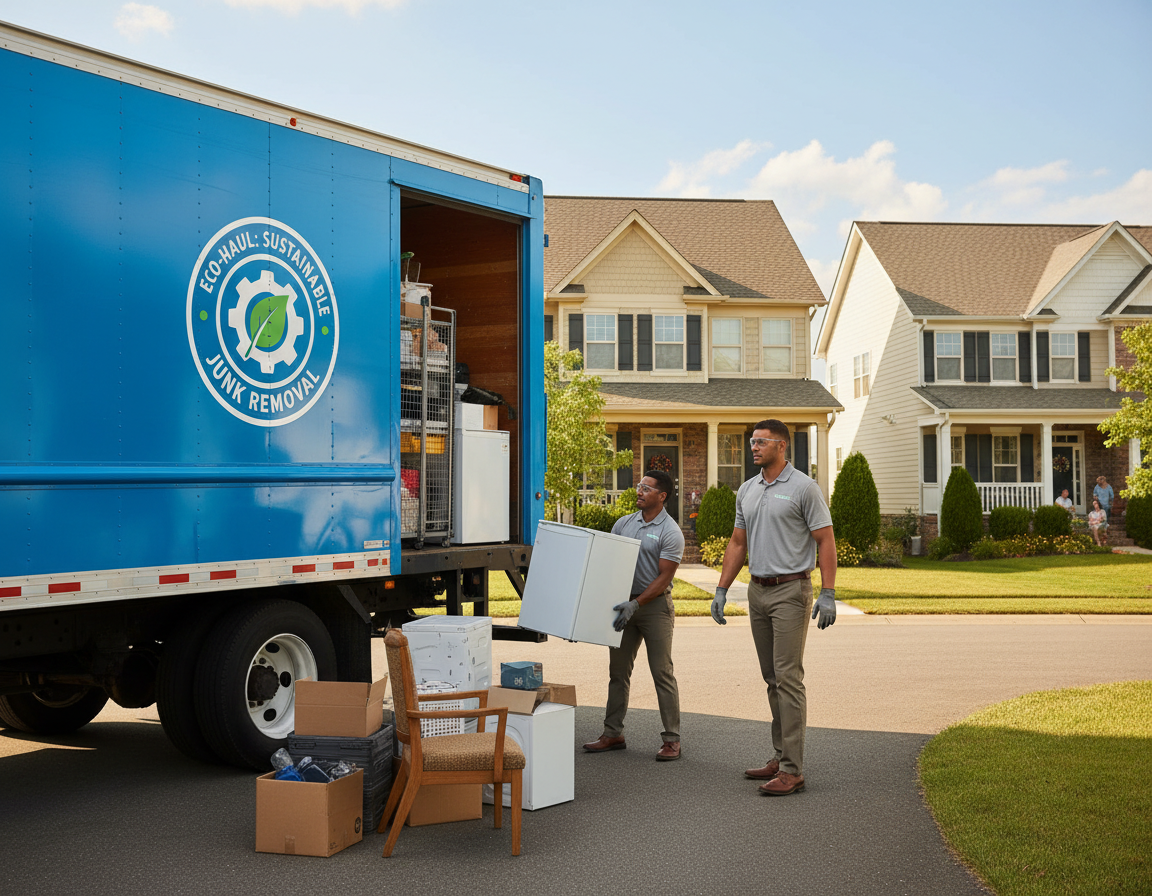
About 72% of local customers take action quickly after searching for a service. For junk removal, that short decision period can make or break a lead. It frequently decides whether the customer books with you or contacts a competitor. Strong junk removal marketing turns quick searches into steady revenue. Customers want trust, speed, and clear pricing. When those expectations are met, automated booking flows and follow-up emails can turn a single job into a loyal repeat customer.

Discover Digital Marketing For Junk Removal Services
Experts such as Junk Removal SEO Company merge SEO, PPC, and email automation to increase visibility and conversion performance. Their approach centers on Google Business Profile optimization, review generation, and mobile-first booking to build trust. This method helps a junk hauler win high-intent calls and online bookings through carefully targeted advertising.

For owners aiming for durable growth, the objective is clear: stay visible, look trustworthy, and be easy to book. This guide outlines how specialized agencies and the right blend of channels can create growth for local waste management businesses.

Key Takeaways

  • Email and automation produce strong ROI by converting one-time jobs into repeat bookings.
  • Speed matters because local search intent often turns into bookings within minutes or hours.
  • Junk removal digital marketing performs best when SEO and paid advertising work together.
  • Trust signals — photos, reviews, and clear service descriptions — increase bookings.
  • Specialized providers like Junk Removal SEO Company bring industry know-how and measurable tactics.

Why Junk Removal Marketing Is Critical For Local Growth

Local residents, property managers, and small businesses are continually looking for cleanup and removal solutions. They expect fast replies along with straightforward instructions. Effective local junk hauler marketing closes that gap by aligning services with local needs and schedules.

How Local Search Behavior Drives Bookings

When prospects are ready to book, they typically use specific search terms that include their city or neighborhood. By targeting these long-tail, geo-specific searches, junk removal SEO boosts visibility among people who need service right away. An easy booking process and mobile click-to-call options help confirm pickups fast.

The Role Of Trust Signals: Photos, Reviews, And Clear Service Descriptions

Trust is a critical factor behind clicks and conversions. Visuals such as truck photos, team portraits, and before-and-after galleries, along with transparent pricing, reduce hesitation. Positive Google Business Profile reviews and follow-up emails from CRM systems encourage repeat business, amplifying the impact of garbage collection advertising.

Why Visibility Alone Does Not Guarantee Bookings

SEO Services For Junk Haulers

While local listings and ads can raise traffic, conversion depends on clear service pages, simple booking forms, and immediate contact options. Debris removal advertising that balances visibility with conversion performance outperforms campaigns focused only on rankings. That leads to more booked jobs, not just more visits.

Marketing Channel Core Advantage Primary Outcome
Google Business Profile and local listings Strengthens local map presence for high-intent queries More calls-to-bookings and higher local visibility
Site pages with pricing cues Reduces hesitation and shortens the sales cycle Higher conversion rate and lower cost per booked job
Trust assets like reviews and photos Improves trust among new customers Better CTR and increased bookings
CRM and email follow-up systems Creates repeat demand after quotes and completed jobs Higher lifetime booking value with stronger review volume
Paid search and targeted ads Places services in front of immediate searchers Faster lead generation and measurable ROAS

Specialized agencies with deep industry knowledge connect the gap between search intent and operational reality. They adapt junk removal SEO, garbage collection advertising, and debris removal advertising so they reflect real pricing and true availability. This alignment helps turn local demand into measurable, repeatable growth.

Junk Removal Digital Marketing Services

For a haul-away company to grow, it needs a strategic mix of marketing channels. A strong plan combines search visibility, paid ads, social media, and email campaigns. Those channels turn inquiries into booked jobs. Specialized vendors help by using tested templates, industry keyword lists, and proven outreach methods specific to junk removal.

A Full-Service Mix Of SEO, PPC, Social, And Email

The best-performing campaigns layer organic and paid channels. SEO builds long-term, cost-efficient traffic. Google Ads and Local Services Ads generate immediate leads during busy periods. Social media supports brand visibility and offers visual proof that strengthens trust.

Email acts as the glue connecting every touchpoint. It powers welcome emails, reminder sequences, review requests, and win-back campaigns. CRM integration with vendors like Townsquare Interactive supports segmented outreach and increases customer lifetime value.

A Local-First Strategy With Google Business Profile And Apple Business Connect

Local listings must remain updated at all times. Consistent Google Business Profile updates, accurate categories, and strong images can improve local rankings and click-through rates. Apple Business Connect reaches iPhone users who often depend on Apple Maps for quick local results.

Listings on Yelp, the Better Business Bureau, and local chamber directories remain valuable. Partnerships with real estate agents and property managers can open the door to commercial accounts. That can raise average job size and increase repeat bookings.

Why Industry-Specific Agencies Deliver Better Results

Waste-removal-focused agencies understand which keywords, service pages, and offers truly produce bookings. They support their recommendations with case studies, client proof, and metrics like calls-to-bookings and average job value.

Hiring a dedicated Junk Removal SEO Company or a full-service junk removal advertising firm removes much of the guesswork. Their specialized experience often leads to faster results with Local Services Ads, targeted Facebook campaigns, and conversion-focused web design.

SEO And Technical Foundations That Support Junk Hauler Marketing

A strong technical foundation is critical for any junk removal business that wants to win online. CRM systems and email platforms feed automated workflows and help track conversions from service pages. Quick-loading pages with obvious booking options make it easier for visitors to become callers or online bookings.

Keyword Strategy: Long-Tail And Location-Specific Phrases

Local haul-away businesses benefit most from long-tail and city-specific search terms. Queries like “appliance haul away Boston” or “furniture removal near me” signal strong intent. An agency focused on junk hauler marketing builds landing pages around these searches and tests variations to attract ready-to-book traffic.

Site Structure And Conversion-Focused Service Pages

Best practice is to create one service page per service with a clear headline that combines the offer and location. Every page should include 3–5 short bullet points, a compact FAQ, before-and-after photos, and a prominent click-to-call button. Internal links to location pages and a logical sitemap help both users and search engines.

Using LocalBusiness, Service, And Review Schema

Adding LocalBusiness, Service, and Review schema can boost the chance of rich results and better click-through rates. Schema helps Google understand price ranges, service areas, and verified reviews. That clarity can support long-term SEO gains by improving visibility in search results.

Page Speed, Mobile Optimization, And Technical Audits

Responsive layouts, compressed images, and fast page speed reduce friction for mobile visitors. Audits with Google PageSpeed Insights and Search Console help identify slow elements and crawl problems. Improvements such as caching, image optimization, and code cleanup boost performance and support more efficient advertising.

Below is a compact comparison of technical priorities and their direct effect on conversions for a local junk removal business.

Technical Focus Primary Benefit Typical Fixes Impact On Junk Hauler Marketing
Page Speed Fewer bounces and a smoother path to booking Caching, image compression, and minified CSS/JS Higher call-through rates and more booked jobs
Mobile Optimization Better UX for on-the-go searches Responsive layouts with large, touch-friendly CTAs Stronger mobile conversions for junk hauler marketing
Site Structure Improved service discovery and easier indexing Dedicated service pages, location pages, and breadcrumbs Improved performance on long-tail local keywords
Rich result markup Enhanced search appearance through rich snippets LocalBusiness, Review, and Service markup Higher click-through rates that boost SEO results
Ongoing technical reviews Continuous issue detection and prioritization Use Search Console, PageSpeed, and crawl tools Steady performance improvements across campaigns

Coordinating technical SEO with on-page content and CRM tracking creates a funnel that can actually be measured. This structure helps teams compare organic leads, refine user journeys, and scale business promotion using real data.

Immediate Lead Generation Through Paid Ads And Retargeting

Paid channels convert search intent into bookings by reaching ready-to-book prospects and supporting follow-up after the first visit. Campaigns should feed into a CRM and an email sequence. That way, new leads enter reactivation flows and receive review requests after the job. Ad spend should be measured against booked jobs and lifetime value, not just clicks.

Using Google Search Ads And Local Services Ads

Google Search Ads capture people who are actively searching for junk removal services. Local Services Ads add trust signals through proximity, reviews, and direct booking functionality. Agencies and consultants like Ads by Josh commonly organize bids around job value so each booked job is more profitable.

Using Facebook And YouTube To Build Awareness

Social platforms build familiarity before a prospect urgently needs junk removal. Before-and-after reels and short testimonial clips build trust and make booking feel easier. Companies like Top Dog Digital use Facebook and YouTube targeting to create recognition, then push engaged viewers into SMS or email follow-up flows.

Retargeting Tactics For Recovering Lost Visitors

Retargeting on display networks, Facebook, and YouTube helps bring back visitors who did not book the first time. Ads that emphasize local pricing, trust signals, or same-day availability can raise conversion rates. A retargeting system tied to conversion-focused landing pages reduces wasted spend and improves booked-job conversion.

How To Measure Booked Jobs And ROAS

Campaign performance should center on cost per booked job, ROAS, lead-to-job rate, and average job value. Dedicated landing pages and call tracking help assign completed jobs to the right marketing source. Do not optimize only for cost per click; optimize for revenue per booked job. That approach ensures garbage collection advertising and junk removal digital marketing drive actual profit.

Ad Channel Core Goal Ideal Use Case Main Metric
Google search advertising Capture high-intent leads Urgent pickups and clearly priced services Cost per booked job
Google Local Services Ads Build trust and drive direct bookings Local service targeting supported by reviews Booked-job rate
Facebook advertising Prospecting and remarketing Prospecting, remarketing, and local promos Lead quality and ROAS
YouTube advertising Create awareness with proof Video proof and customer stories Video-to-booking rate
Display & Retargeting Recover undecided visitors Offer-driven return visits Return visitor conversion rate

When campaigns are coordinated well, junk removal advertising and garbage collection advertising become predictable lead engines. Specialists focused on the niche, including Ads by Josh and Top Dog Digital, bring playbooks that connect paid spend to booked jobs and long-term value.

Why Email Marketing Delivers High ROI In Waste Management Marketing

For local waste management operators, email is one of the most reliable channels for profit. A segmented list built from quotes, jobs, and website leads can turn routine interactions into repeat business. Strong operators view email as a revenue engine rather than as a simple newsletter tool.

Budgets should be set with return expectations in mind. Industry benchmarks often place email ROI near $36–$40 for every $1 spent when lists are permission-based and messages stay relevant. That is why junk removal email marketing is so appealing to owners who care about cost per booked job.

List growth works best when consent and clarity come first. Contacts should be separated into groups like new leads, recent customers, and commercial accounts. This kind of segmentation improves relevance and often lifts both open rates and booking conversions in junk removal business promotion efforts.

Automation plays a central role in reducing manual work and increasing conversion rates. Typical automated sequences include welcome emails, reminder flows, satisfaction surveys, and review requests. These workflows are essential parts of effective junk removal marketing services.

The most effective email content is practical and easy for subscribers to act on. Seasonal prompts, prep tips, company updates, and before-and-after highlights keep the list engaged. A regular schedule, such as monthly or every other week, helps maintain engagement over time.

Tracking performance is what turns email from a routine task into a measurable growth channel. Monitor open rates, click-through rates, and booking conversions so subject lines and CTAs can be refined. When CRM and scheduling tools are connected, review requests and follow-up can run automatically while crews stay focused on service. That improves both the measurability and profitability of waste management marketing.

Content, Video, And Local Trust Signals For Garbage Collection Advertising

Strong content and video are powerful for building trust and driving bookings in local junk removal. Well-built pages and clips help turn searches into calls. Email campaigns and on-site galleries work together to show proof, lower friction, and support repeat bookings.

Conversion-focused on-page content starts with clear service wording and practical pricing signals. Short, easy-to-scan sections should explain what customers should expect, how to prepare items, and which materials are prohibited. Showing typical job costs and time windows reduces abandoned bookings and improves the impact of garbage collection advertising.

Trust-building video ideas include before-and-after transformations, time-lapse cleanouts, and customer testimonial clips. Longer case-study or how-to videos can live on YouTube for search value. Shorter edits can be shared on Instagram and Facebook to drive engagement and support junk removal content marketing campaigns.

Partnerships and sponsorships in the local community can expand visibility beyond search and ads. Collaborating with real estate agents, contractors, and property managers can create a dependable referral stream. Community cleanup sponsorships and neighborhood events can also create awareness and backlink opportunities for junk hauler marketing.

Link building and citation consistency remain essential for local SEO. Yelp, Better Business Bureau, and local directory listings should all show the same NAP information. Outreach to neighborhood blogs, chamber pages, and partner websites can generate contextual links that build local authority.

Content and email should reinforce each other instead of operating separately. Use success stories and gallery highlights inside newsletters to encourage repeat bookings. Educational posts that teach customers how to prepare for a pickup can reduce no-shows and improve completion rates. Together, these assets support long-term garbage collection advertising and measurable local growth.

Tracking, Measurement, And Common Mistakes In Debris Removal Advertising

Accurate tracking fuels growth, while guesswork usually wastes time and money. When phone calls, form submissions, and email leads are connected to booked jobs, operators can see which channels truly produce revenue. This clarity allows waste management marketing teams to put more budget into high-value channels and stop overspending on weak tactics.

Core Performance Metrics need to focus on outcomes instead of vanity numbers. Measures like calls-to-bookings, lead-to-job rate, average job value, and cost per booked job reveal true profitability. Those numbers guide landing-page updates, follow-up changes, and smarter ad spend.

Effective measurement requires the right stack of tools working together. Google Analytics shows on-site behavior, while Search Console reveals visibility trends. Ahrefs or SEMrush offer competitor and keyword insight, while call-tracking tools connect phone leads to specific campaigns. When these platforms are integrated with a CRM, email engagement and conversions can be tied back to real booked work.

Many common problems are straightforward to fix once they are identified. Incomplete Google Business Profile or Apple Business Connect listings can reduce local visibility. Slow, non-mobile pages push customers away. Missing review requests and unclear service descriptions can also lower conversion rates. Clear pages for services like mattress removal or garage cleanouts, paired with pricing cues, usually improve junk removal SEO performance.

Monthly reviews keep campaigns honest and performance-focused. The review process should cover KPIs, automation flows, and email performance. A/B testing for CTAs and landing pages helps refine messaging. Budget decisions should be based on cost per booked job and average job value rather than on cost per click. That is how debris removal advertising becomes more profitable over time.

Metric Reason It Matters Suggested Tool
Call-to-booking rate Reveals how efficiently phone leads convert Call tracking + CRM
Lead-to-booked-job rate Shows how well follow-up and estimating are working Pipeline CRM reports
Average revenue per job Helps prioritize higher-margin services Accounting tools and CRM
Advertising cost per booked job Reveals real cost efficiency of marketing Google Ads connected to CRM and call tracking
Organic visibility Measures keyword rankings and local search presence Ahrefs or SEMrush with Search Console
Email-driven booking metrics Connects campaigns to repeat bookings and promotions Email platform + CRM integration

To avoid wasteful spending, focus on junk removal advertising metrics that tie directly to booked jobs. Review listings, site speed, reviews, and service pages on a regular basis. This makes waste management marketing more measurable, more repeatable, and more profitable over time.

Final Thoughts

Junk removal businesses that combine local SEO basics with targeted paid channels and strong email automation will usually grow faster. The foundation starts with Google Business Profile, Apple Business Connect, mobile optimization, and clear service pages. Email marketing and CRM-based automation then help increase reviews and repeat bookings, keeping lifetime value strong.

Working with a specialized SEO company shortens the learning curve and reduces trial-and-error. They bring experience in Local Services Ads management, PPC optimization, lead capture, and conversion tactics tailored to the junk removal space. References and case studies help operators choose a partner with proven success in junk removal business promotion.

Content, video, local partnerships, and disciplined measurement should all work together as a unified system. Junk removal marketing services should track conversion rate, average job value, and cost per booked job so decisions are driven by profit. When executed correctly, digital marketing becomes a dependable growth engine that supports operations and long-term value in local markets.

Related: Junk Removal Local SEO

Internet Marketing For Healthcare Professionals

Today, search engines are the primary way patients discover healthcare providers. A well-planned healthcare SEO campaign can generate substantial growth while costing much less than paid ads or referrals. Medical SEO Strategies That Work focus on a modern website, local marketing, reputation management, and authority-building content. Their goal is to attract patients who are actively searching for care.

Healthcare SEO Services By Marketing 1on1
A current medical website should include tools such as online booking, telehealth scheduling, secure bill payment, and location finders. These tools improve patient engagement and overall satisfaction. Stronger engagement can improve search visibility.

Healthcare sites depend on ranking factors such as relevant content, strong quality signals, time on page, page speed, and website security. Medical practices and healthtech companies that commit to medical SEO services or hire a seasoned partner typically see stronger organic traffic and better lead quality. They also gain a stronger local presence.

Around 80% of U.S. adults look for health information every year, making search a larger source of hospital web visits than other channels. An SEO-first strategy is vital for growing patient volume and outperforming competitors.

Main Takeaways

  • Put a modern, patient-first website with booking and portal features at the center of your strategy.
  • Apply local SEO and geomarketing to capture location-based patient demand.
  • Actively manage online reputation so searchers become booked appointments.
  • Invest in content quality and structured data to win top organic slots.
  • Consider medical SEO services or a specialized medical SEO agency for faster results.

Why Healthcare SEO Matters For Clinics And Medical Practices

Patients now begin their healthcare journey on the internet. A robust healthcare SEO strategy ensures clinics and practices are visible when people search for symptoms, treatments, or nearby providers. This level of visibility often reduces acquisition costs substantially. It enables the website and search engines to generate leads and conversions for the practice.

Informative blog posts and well-structured service pages help patients at every point in their journey. This approach is crucial for reaching patients effectively.

Healthcare Lead Generation Services

Search Behavior And Patient Acquisition

Most people turn to search engines rather than social platforms when they need a healthcare provider. The top organic listings receive the majority of clicks. That makes strong rankings critical for growing traffic and new patient volume.

SEO for medical practices works best when content is relevant and directly addresses common patient questions. Well-organized landing pages, FAQ blocks, and location-based content reach users with different levels of intent. Pairing blog content with service pages helps convert informational searches into booked appointments.

This strategy reduces the need for paid ads and builds a steady flow of inbound patient leads.

E-E-A-T And YMYL Considerations

Because health content is considered YMYL, it receives heavier scrutiny from search engines. Google looks for visible signals of Experience, Expertise, Authoritativeness, and Trustworthiness. Author bios, clinician credentials, and carefully vetted citations are important credibility signals.

Practices must showcase strong About and Contact pages, transparent privacy policies, and clinical disclaimers. They support medical SEO trends that place high value on source quality and trustworthiness. They also help pages compete more effectively in crowded healthcare search results.

Healthcare SEO Trends Shaping Visibility

Mobile optimization and site security are top priorities. Fast and secure websites support both user experience and search performance. Search engines respond well when older content is updated and structured data is used to support richer answers.

AI tools like ChatGPT, Jasper, and Surfer SEO are now integral to keyword research and content optimization. Marketers who use these tools while still following medical SEO best practices often gain an advantage in search visibility.

Develop A Modern And Tech-Forward Medical Website

A medical website is more than just a digital presence; it’s a critical tool for patient engagement. It should include clear navigation, authentic clinician photos, and content that answers common patient questions. Important content includes service details, insurance information, billing guidance, and location information. Such elements are essential for optimizing your website and driving conversions.

Patient-First UX And Booking Pathways

Simplify scheduling by using visible and compelling calls to action. Patient portals, booking forms, and location finders help reduce barriers to action. Marketing 1 On 1 recommends mapping conversion pathways so organic traffic turns into booked appointments. Those pathways form the practical base of effective medical SEO strategies.

Speed, Security, And Mobile-First Design

Ensure page speed is under 2 seconds to enhance user engagement and search rankings. Sitewide HTTPS is critical for safeguarding patient data and supporting trust. Improving image optimization, limiting redirects, and moving large files offsite can reduce load time. Best practices for medical SEO also require mobile-first layouts with touch-friendly controls and unobtrusive user flows.

Accessibility And Compliance

At a minimum, content should meet WCAG 2.1 AA standards for accessibility. Fix broken links, implement clear headings, and ensure form fields have accessible labels. Accessibility can improve usability metrics, and those metrics often act as relevance signals to search engines. Blending compliance with user-focused design also supports broader healthcare digital marketing goals.

Feature Benefit Implementation Advice
Online Booking Higher conversion from visits to appointments Place CTAs in header and service pages; minimize fields
Protected Patient Portals Better trust and more repeat engagement Use TLS, two-factor auth, and HIPAA-aware vendors
Fast Page Loads Lower bounce rates and improved rankings Compress images, use a CDN, and limit third-party scripts
Mobile-first Interface Improved usability for mobile-first users Test on real devices and prioritize thumb reach
Accessibility Compliance (WCAG 2.1 AA) Wider audience, reduced legal risk Rely on semantic HTML, descriptive alt text, and keyboard-accessible navigation
Structured Schema Data Better listings and improved snippet visibility Use localBusiness, medicalSpecialty, and review markup

Ongoing audits make sure the website continues to follow best practices for medical SEO. Analytics should be used to track conversions, review speed and mobile signals, and refresh aging pages for relevance. Taken together, these steps convert technical fixes into measurable growth and reinforce real-world medical SEO strategies.

Local SEO Strategies And Geomarketing For Medical Practices

Local search plays a significant role in patient acquisition for clinics and private practices. Strategic local SEO combined with geomarketing helps practices show up for queries like “doctor near me” and “dentist near me.” That approach helps convert local intent into real appointments.

Optimize Local Listings And Google Business Profile

Claiming and verifying Google Business Profile listings for each location is essential. Profiles should be fully completed with accurate hours, phone numbers, appointment links, and photos. This improves visibility in maps and local pack listings.

Consistent NAP details across directories are critical. Make sure your listings are claimed on Healthgrades, Zocdoc, Yelp, Bing Places, and other local platforms. Doing so broadens patient discovery and strengthens visibility.

Schema Markup And Localized Landing Pages

Build landing pages tailored to each physical location. Each page should include clear contact details, maps, directions, hours, and specialty details. Each location page should address common patient concerns and include scheduling or telehealth calls to action.

Implement schema types such as LocalBusiness, MedicalBusiness, and Physician. This makes your service and location details easier for search engines to interpret. It can improve eligibility for rich results and voice-search snippets.

Targeting High-Volume Local Keyword Opportunities

Use tools like Google Keyword Planner to find high-volume local terms. Local queries are often led by terms such as urgent care, pediatrician, pharmacy, and emergency care. Add city-plus-specialty phrases to metadata and on-page content.

Optimize content for mobile and conversational voice queries. Add concise question-and-answer wording that matches real patient phrasing. Blend geomarketing signals with keyword targeting to capture “near me” searches.

SEO Action Why This Matters Quick Actions
Google Business Profile Optimization Boosts map visibility and click-to-call conversions Verify the listing, add hours, services, photos, and appointment links
Consistent NAP Across Directories Reduces citation confusion and reinforces trust Audit all citations, correct mismatches, and update phone numbers
Location Pages With Schema Helps match local intent and improves rich result eligibility Create unique pages for each clinic, add LocalBusiness schema, and embed a map
Local Keyword Targeting Targets local demand and conversational search behavior Find city and specialty phrases, then optimize headings and metadata
Expanded Directory Presence Expands referral traffic and patient discovery Claim profiles on Healthgrades, Zocdoc, Yelp, and Bing Places, then monitor reviews
Partner With A Medical SEO Agency Gives access to niche local SEO expertise and ongoing improvement Select an agency with proven medical SEO services and local case studies

Online Reputation Management And Reviews

Reputation is key in patient choice. Reviews guide search behavior and signal trust to users and search engines. Clinics that prioritize online reputation management often see stronger patient acquisition and more direct conversion paths.

Where Patients Search For Provider Reviews

Patients check various platforms when evaluating providers. Google Reviews lead the way, followed by Healthgrades, Yelp, and RateMDs. Trustpilot and ZocDoc also play a role, influencing decisions and contributing to off-site signals.

Strategies To Acquire And Manage Reviews

Post-visit review requests should be sent through automated email or SMS. Marketing 1 On 1 can set up workflows that link review requests to appointment systems for consistent, genuine feedback.

Encourage patients to leave recent, specific reviews and make the process easy. Quick and professional responses should be given to all reviews. Negative feedback should be handled carefully by protecting privacy and offering offline follow-up to maintain compliance.

The SEO And Conversion Impact Of Reviews

Search engines treat review volume, recency, and rating quality as trust signals. A strong review profile can improve local visibility and support effective medical SEO strategies.

Recent reviews and higher ratings often improve conversion rates. Prospective patients tend to choose providers with a large number of fresh, positive reviews. When review management is integrated into medical SEO services and broader digital marketing for healthcare, the gains in search visibility and patient volume can be significant.

Medical SEO Content And Authority Building

High-quality content is essential for building authority across the patient journey. A strong mix of service pages, procedural guides, FAQs, and patient education content is essential. This structure supports users at every stage of the journey. Blog content is especially useful because it captures research-stage visitors and helps retain them after care. Headspace is a great example of how to build topical depth with clear categories like Mental Health and Sleep. Clinics can adapt that model to build authority in their own niche.

Creating authoritative content involves following the E-E-A-T guidelines. That means including author bios with medical credentials, citing peer-reviewed studies, and maintaining About, Contact, privacy, and disclaimer pages. Using Article, FAQ, and MedicalWebPage schema can enable rich snippets, improving your website’s optimization for medical SEO.

Marketers are increasingly optimizing for AI-driven and conversational search behavior. Using natural language, clear answers to common patient questions, and skimmable formatting is now vital. Structured data and concise answers increase the likelihood of being used in AI-powered overviews. Tools like Surfer SEO, Jasper, and Originality.AI can assist in creating effective content for medical SEO.

Repurposing long-form articles into short videos and embedding them on YouTube can strengthen your authority and support video SEO. Transforming procedural guides into downloadable checklists and FAQs into short social microcontent also supports medical SEO strategies. These tactics broaden distribution and increase engagement.

A practical content cadence is essential for long-term performance. Prioritize frequent updates for high-impact pages such as service pages and local landing pages. Keeping a steady blog rhythm focused on patient FAQs and timely healthcare topics is equally important. Older posts should be refreshed with updated guidance and fresh citations to maintain relevance.

Each content asset should be optimized according to best practices for medical SEO. Titles, headers, metadata, and on-page signals should all reflect clear user intent. Balance readability with depth to ensure both clinicians and patients find the material useful. This strategy supports both higher rankings and stronger trust.

The following compact content plan compares content types, goals, and cadence for medical website optimization and long-term authority.

Type Of Content Core Goal Key Elements Suggested Cadence
Service Landing Pages Convert searchers into patients Clear procedure details, outcomes, clinician bios, schema Refresh quarterly and audit monthly for local relevance
Treatment Guides Increase trust and lower pre-visit anxiety Step-by-step content, visuals, citations, video embeds Refresh biannually; add videos as needed
Educational Patient Articles Win research-stage traffic Credentialed authors, peer-reviewed references, FAQs, and schema Weekly publishing with updates to high-traffic posts every 3–6 months
Location Landing Pages Capture regional searches and bookings Local keywords, maps, office hours, staff, and reviews Review monthly and refresh whenever location details change
FAQ Content Blocks Capture quick-answer visibility and featured snippets Short Q&A, FAQ schema, conversational phrasing Review quarterly; expand with new patient questions
Multimedia Content Boost engagement and cross-channel reach Short explainer clips, procedure B-roll, transcripts Create monthly and repurpose long-form articles into clips

Medical Website Technical SEO And On-Page Best Practices

Strong technical SEO is essential for any medical website. A clear site architecture should come first so both patients and crawlers can move through the site easily. Submit a clean XML sitemap through Google Search Console and use canonical tags to prevent duplicate content problems.

Use internal linking to move visitors toward priority pages like booking and patient resources. Limit deep click paths and focus on conversion-driven pages. Crawl budget should be managed by pruning low-value pages and blocking thin-content URLs in robots.txt where appropriate.

On-page optimization depends heavily on metadata and content structure. Title tags and meta descriptions should be written to reflect page intent with accuracy. Keyword-focused headings, concise paragraphs, and descriptive image alt text improve accessibility and search relevance.

Page speed should be strengthened through image compression, fewer HTTP requests, and limited redirects. Implement sitewide HTTPS to safeguard patient data. Rich results for practitioner profiles, local business information, articles, and FAQs can be improved through structured data.

Performance should be monitored through Google Analytics and Search Console. Watch metrics including average ranking position, impressions, CTR, organic sessions, time on site, and conversions. Tools such as Moz, Ahrefs, Semrush, and Siteimprove can be used to benchmark competitors and uncover technical issues.

Routine audits are important for finding broken links, 404 errors, and mobile usability problems that hurt rankings and trust. Use PageSpeed Insights and Siteimprove reports on a recurring schedule to review accessibility and speed. Track every fix and measure its impact over time so the strategy can keep improving.

Collaborate with a trusted medical SEO agency or consider medical SEO services if in-house resources are limited. A specialist partner helps maintain compliance, avoid risky tactics, and preserve long-term visibility for healthcare brands.

Closing Summary

Effective Medical SEO Strategies combine a cutting-edge website, local SEO, and reputation management. Authoritative content and a reliable technical base are also essential parts of the strategy. Start by making sure the website is secure, fast, and easy to use. Then, optimize your Google Business Profile and create localized landing pages with schema to attract nearby patients.

These actions can greatly improve local pack visibility and conversion performance. Managing your online reputation across various platforms is also key. That includes Google Reviews, Healthgrades, Yelp, and specialty-specific directories. Producing content that meets E-E-A-T standards is essential for both traditional search and AI-driven results.

Monitor your progress with tools like Google Search Console, Google Analytics, and PageSpeed Insights. Semrush, Ahrefs, Moz, and Siteimprove can further help monitor organic traffic, keyword rankings, and other key metrics. That data is essential for understanding online performance.

If a full solution is needed, consider partnering with a medical SEO agency or medical SEO services firm. Such a partner can implement a detailed roadmap and oversee ongoing monitoring and benchmarking. A healthcare-focused digital marketing firm can turn strategy into measurable growth and sustained patient acquisition.

Related: Healthcare SEO Expert Checklist For Ongoing Optimisation And Growth

Custom SEO Strategies For Better Search Results

Did you know Glassdoor drew approximately 29.5 million monthly visits before its 2018 sale, fueled primarily by organic search? It underscores how data-driven SEO strategies for businesses can turn analysis into market leadership. Used well, they can transform analysis into market dominance.

Expert Link Building And SEO Services
Data-driven SEO removes guesswork by relying on real evidence. It combines first-party analytics with tools like Semrush and Ahrefs. As a result, teams can spot content gaps, prioritize high-opportunity keywords, and increase search rankings and lead generation.

Modern strategies use machine learning, cloud computation, and statistical methods. They model traffic and forecast results. This allows companies to test changes quickly, measure their impact, and expand with proven SEO strategies.

Whether you choose professional SEO services or work with a top SEO company like SERPs Autopilot, the core principle stays the same. View rank and traffic as measurable outcomes. Iterate based on data insights and allocate resources where they add real business value.

Why Data-Driven SEO Is Important For Modern Businesses

Data transforms vague guesses into actionable insights. Metrics such as organic traffic, bounce rate, session duration, and conversion rate show which pages connect with users and which pages underperform. This clarity reinforces the importance of SEO for online visibility, setting a foundation for improvement.

Setting SMART SEO objectives links search efforts directly to revenue and growth. When teams track baseline KPIs, they can show executives tangible gains more clearly. This approach shows how SEO improves Google rankings and makes ROI conversations far easier.

Real-time keyword tracking, together with tools like Google Search Console and Google Analytics, speeds up decision-making. Tracking competitors and staying current with SEO trends reduces risk while surfacing high-potential topics. Teams that prioritize data instead of intuition usually operate more efficiently.

Statistical models and machine learning uncover patterns that traditional SEO best practices often overlook. These tools estimate the value of position changes, forecast success timing, and prioritize fixes for maximum impact. Businesses that lean on data can predict outcomes with much greater confidence.

Affordable SEO agency options now include analytics, reporting, and execution. Collaborating with experts provides smaller teams with access to sophisticated tools at a larger scale. Services like SERPs Autopilot SEO streamline monitoring, allowing internal teams to concentrate on creative endeavors.

SERPs Autopilot SEO Services

Data-Driven SEO Strategies For Businesses

Data-driven SEO transforms analytics into actionable insights. Begin with clear objectives to guide teams and measure progress from the start.

Create SMART SEO Objectives And Baseline KPIs

Establish SMART SEO goals that align with revenue, leads, or conversion rates. Utilize Google Analytics and Google Search Console to set baseline KPIs. Common baseline KPIs include organic sessions, conversion rate, and revenue per visit.

Regular reviews of the data reveal both wins and setbacks. The SERPs Autopilot marketing team recommends combining tool outputs with human judgment. This helps avoid misinterpretations from noisy data.

Identify High-Opportunity Keywords And Rank Them By Value

Conduct thorough keyword research to find high-potential keywords. Prioritize phrases with low-to-moderate competition that align with buyer intent and real conversion potential.

Organize related queries into topic clusters that support content hubs. This strategy supports long-term SEO rankings and higher Google rankings.

Evaluate User Intent And On-Page Results

Examine user intent through Search Console query data and engagement metrics. Use content data to align pages with identified intent.

Optimize on-page elements like titles, meta descriptions, and CTAs through A/B tests. These small tests help refine SEO efforts, enhancing rankings and lead generation.

Audit Core Web Vitals And Technical SEO Performance

Assess technical performance with PageSpeed Insights and Lighthouse. Focus on Core Web Vitals, mobile usability, and page speed to prioritize improvements.

Blend crawl data with performance metrics so tasks can be ranked by expected impact. That method supports scalable SEO solutions for growing companies.

Backlink Analysis And Targeted Outreach

Review backlink profiles using tools such as Ahrefs, Moz, or Majestic. Look for authoritative linking opportunities while also identifying toxic links that need to be addressed.

Develop targeted outreach campaigns with data-driven pitches. Working with SERPs Autopilot link building services or expert SEO teams can help strengthen rankings and drive better lead generation.

Measure, Iterate, And Scale

Keep measuring, iterating, and scaling by comparing current KPIs with their original baselines. Use GA, GSC, and third-party platforms to confirm wins and guide smarter resource allocation.

Repeat what works and automate repeatable tasks through the SERPs Autopilot optimization platform. That approach supports better ROI while increasing both traffic and sales.

Essential Data Sources, Tools, And Technical Methods

Effective SEO depends on a mix of data sources, specialized tools, and disciplined technical methods. Begin with first-party analytics and search data so search signals can be tied to real on-site behavior. Next, add third-party tools for competitive analysis and backlink insights to spot content gaps. A well-organized toolkit streamlines audits, guides improvements, and scales efforts into measurable results.

First-Party Analytics And Search Data

Google Analytics 4 provides detailed insight into visitor behavior, engagement, and conversion paths. Google Search Console provides data on impressions, clicks, CTR, and average position for specific pages and queries.

When GA4 is compared with Google Search Console, ranking changes can be evaluated alongside shifts in user behavior. Pairing event data with CRM and revenue metrics makes the business impact of organic search much easier to demonstrate.

Competitive And Backlink Research Tools

Ahrefs and Semrush provide keyword intelligence on competitors, backlink profiles, and content gap analysis. These platforms help teams prioritize topics and outreach targets using traffic potential as a guide.

Select third-party tools that match your workflow and reporting needs. Moz or Majestic can also be useful when their data or metrics offer a different angle. View third-party volume estimates as directional guides rather than exact figures.

Site Crawling And Technical Auditing

Screaming Frog is especially effective for site crawling and technical auditing. It identifies broken links, redirect chains, duplicate content, and meta issues efficiently.

Utilize crawls to create task lists focused on improving indexation health and user experience. When custom extraction or large-scale comparisons are needed, support crawlers with web scraping or APIs.

Test Performance And Audit Mobile Experience

PageSpeed Insights and Lighthouse offer lab and field data for Core Web Vitals and mobile metrics. When planning improvements, start with pages that drive the most traffic and conversions.

Test across various devices and network conditions to reflect real-world mobile usage. Combine performance testing and mobile audits with behavioral data to pinpoint where speed enhancements will impact key metrics.

Data Science And Automation Tools

Python for SEO opens up automation through libraries such as Pandas, NumPy, and Matplotlib for cleaning, analyzing, and visualizing data. Data science and automation tools enable teams to perform regression analysis, clustering, and forecasting on SEO inputs.

Scale complex tasks with cloud platforms and ML models for ranking-factor modeling and intent clustering. Platforms supporting controlled experiments help validate changes before widespread deployment.

Tool Category Representative Tools Primary Use
Analytics owned by the business Google Analytics, Google Search Console Behavior analysis, impressions, CTR, and conversion paths
Backlink and competitor research Ahrefs, Semrush, Moz, Majestic Keyword research, backlink profiles, content gap analysis
Site crawling Screaming Frog, Sitebulb, Botify Technical audits, indexation checks, meta and canonical issues
Performance and speed tools PageSpeed Insights and Lighthouse Speed analysis, mobile audits, and Core Web Vitals review
Data science plus automation Python libraries, cloud ML, SearchPilot-like platforms Automating tasks, forecasting impact, and testing repeatable fixes
Integrated solutions The SERPs Autopilot optimization platform and related official resources End-to-end workflows, campaign orchestration, team collaboration
Agencies and managed services SERPs Autopilot SEO services, SERPs Autopilot digital marketing solutions Strategy support, execution, and access to expert marketing teams

Integrate these sources to craft prioritized plans that align estimated ranking impact with revenue. Leverage data science and automation tools to minimize repetitive tasks and deliver scalable SEO solutions for growing companies.

How To Use SEO Data To Increase Traffic And Conversions

Data is a compass, guiding us through the digital landscape. Analytics are our tools, helping us select effective SEO tactics. These strategies enhance search rankings and lead generation, driving business growth. Begin with a focused plan, aligning traffic sources with conversion objectives. Combine insights from Google Analytics and Search Console with rank trackers for a clear roadmap.

Develop content clusters by organizing seed terms alongside related queries. Develop pillar pages for commercial intent and supporting posts for informative queries. This approach boosts topical authority, attracting links and user engagement, essential for long-term SEO success.

Optimize for conversion paths to enhance user experience. Analyze session flows and conversion funnels to identify bottlenecks. When those paths are streamlined, teams can repeat what works and improve both traffic and sales.

Focus on the most impactful fixes by estimating ranking impact. Use a model combining traffic, current rank, and keyword difficulty. Prioritize technical improvements, content depth, and pages aligning with critical SEO factors. This method ensures ROI-focused efforts and realistic timelines.

Split testing is a safe way to introduce significant changes. Platforms such as SearchPilot can support A/B or multivariate testing on templates and content. This approach measures the effectiveness of changes before scaling them.

Local and e-commerce SEO tactics vary based on intent and conversion types. In local SEO, the focus should include Google Business Profile optimization and geo-targeted landing pages. For ecommerce, priority often goes to high-traffic product pages, product schema, and reviews. PR and backlink ideation can also create linkable assets that strengthen overall SEO performance.

Forecasting plays a major role in estimating outcomes and explaining expected returns. Model improvements to gauge ranking impact and make roadmap decisions based on measurable data. That structured process supports long-term SEO success and stronger brand growth.

Working With Experts To Scale Through SERPs Autopilot

Data-driven SEO requires clear metrics, fast experimentation, and close collaboration between marketing and product teams. A SERPs Autopilot SEO agency gives businesses the tools and processes needed to turn raw analytics into actionable strategy. By aligning GA4 and Google Search Console data with business KPIs, they identify the most impactful fixes to boost revenue.

Technical expertise and competitive analysis expedite results. The team leverages Ahrefs and Semrush for gap analysis, Screaming Frog for comprehensive site crawls, and PageSpeed Insights plus Lighthouse for optimizing Core Web Vitals. Those capabilities sit at the core of SERPs Autopilot digital marketing solutions and help position it as a strong option for complex SEO projects.

Advanced methodologies ensure scalable success. SERPs Autopilot employs data science to categorize keywords, evaluate opportunities with regression models, and conduct split tests via SearchPilot to mitigate risks. The SERPs Autopilot SEO experts also oversee targeted link acquisition and provide detailed reports linking organic traffic to conversions. That combination is a core strength of the premier SEO company SERPs Autopilot and premier SEO firm SERPs Autopilot.

The process of getting started is straightforward: request an audit, define SMART KPIs, run initial content and technical tests, then scale whatever proves successful. For businesses seeking an affordable SEO agency for online growth and custom search engine optimization solutions, the SERPs Autopilot official website outlines packages and includes a contact form for expert support and ongoing optimization.

Related: How to Find the Best SEO Company for Your Business

Professional Moving Company SEO Services By Marketing 1on1

For moving and storage companies, lead generation is the lifeblood of growth. This article outlines effective strategies for attracting prospects, converting them, and nurturing leads into paying customers. Its goal is to equip companies with repeatable systems that combine SEO, paid media, partnerships, and offline outreach to generate moving leads consistently.

Grow Your Moving Business Online
The moving and storage market in the United States is massive, valued at around $86 billion. Each year, over 31 million Americans relocate, creating a fertile ground for growth. States like Texas, Florida, and North Carolina, with their high inbound migration, offer prime opportunities for securing consistent moving leads and boosting local visibility.

Many operators deal with the same problems: inconsistent lead flow, weak local search visibility, low-quality leads, and poor follow-up or automation. This guide aims to address these issues by integrating organic tactics, paid channels, reputation management, and referral partnerships. It offers a more reliable path to securing moving leads.

Marketing 1 On 1 (www.marketing1on1.com) has helped moving companies implement these strategies and scale lead volume. This article provides a detailed roadmap that covers market opportunity, keyword and SEO strategy, website and Google Business optimization, paid and hyperlocal channels, partnerships, inbound automation, and reputation tactics. The entire focus is moving company lead generation.

Key Takeaways

  • Moving Company Lead Generation uses SEO, paid ads, partnerships, and offline tactics for steady growth.
  • States with strong inbound migration, such as Texas and Florida, are important markets for moving business leads.
  • Frequent obstacles include uneven lead flow and weak local visibility.
  • Use multiple moving leads services to pursue lead quality, not just lead volume.
  • Once you get leads for movers, automation and follow-up improve close rates.

Why Lead Generation Matters So Much For Moving And Storage Companies

A consistent flow of leads is essential for keeping trucks full and crews productive. For moving and storage operators, this helps turn seasonal peaks into steadier cash flow. Investing in lead generation allows managers to plan staffing, set competitive prices, and reduce customer acquisition costs.

The U.S. moving and storage market is worth about $86 billion, driven by urban growth and frequent relocations. Each year, over 31 million Americans move, with states like Texas, Florida, and North Carolina experiencing higher migration rates. That creates concentrated pockets of demand for local teams to target.

New services offer moving companies opportunities to secure higher-value jobs. Digital inventory management and climate-controlled storage attract customers willing to pay more for convenience and protection. By promoting these services effectively, companies can increase moving business leads among the right customer segments.

How Consistent Leads Affect The Business

Regular lead flow improves crew and truck utilization, reducing idle time and stabilizing monthly revenue. When leads arrive consistently, managers can plan staffing more efficiently and reduce overtime and turnover. High-quality leads also reduce wasted travel and lower customer acquisition costs compared to random outreach.

Steady lead volume supports strategic pricing and seasonal scaling. Companies that do a strong job generating leads for moving companies can manage cash flow more effectively, pursue larger commercial jobs, and invest in equipment or technology with greater confidence.

Marketing 1on1 Moving SEO Specialists

Customer Segments Worth Targeting

  • Pre-movers: homeowners or renters who have listed properties or are preparing for a move. These prospects show strong intent and often convert quickly when presented with clear offers.
  • New homeowners and recent movers: They need unpacking, storage, and local moves. Repeat services and referrals often come from satisfied new owners.
  • Downsizers and older adults (55+): They often require full-service packing and storage. Tailored messaging and white-glove options perform well here.
  • Renters and young professionals: Short timelines and digital-first habits make them ideal targets for online campaigns and fast-response booking systems.
  • Commercial clients and property managers: These accounts deliver repeat contracts and higher average job value when relationships are nurtured.

Data-driven targeting can increase conversion rates. Platforms like PropertyRadar help build precise lists of pre-movers, new homeowners, and downsizers for hyperlocal campaigns. Combining such lists with strong creative and prompt follow-up turns targeted outreach into reliable moving business leads.

How Moving Company Lead Generation Works

A well-thought-out keyword strategy is essential for effective marketing in the moving industry. The phrase Moving Company Lead Generation should serve as the main focus keyword. Use it as the cornerstone for your homepage messaging and content. Supplement this with local and long-tail terms like local movers near me and moving leads services to capture specific geographic interests.

Map user intent clearly across the entire website. Place transactional queries, such as hire movers near me, on service pages. Informational searches like how to pack china for moving are better suited to blog posts and guides. Ensure that target keywords are integrated naturally into page titles, meta descriptions, H1s, and body copy, avoiding forced repetition.

Build city-specific landing pages to strengthen local relevance. Create unique content for every service area and add localized schema for Name, Address, Phone (NAP) details plus service-area markup. Service pages should also be optimized by move type—local move, long-distance, packing, storage, and commercial moves—to match search intent and increase moving leads online.

Improve the technical foundation to boost visibility and conversions. Speed up pages, ensure mobile usability, and create clear conversion paths. Use click-to-call buttons, short contact forms, and a booking widget. Structured data for LocalBusiness, Service, and Reviews can improve the odds of rich results and stronger placement in local packs.

Keyword performance should be monitored with a mix of standard and local tools. Google Analytics and Google Search Console provide insight into organic traffic, impressions, and average positions for targeted terms. BrightLocal or Moz Local can also help track map visibility and local pack rankings for lead generation in the moving industry.

Real impact should be measured through conversions, not just clicks. Count form submits, calls via call-tracking, booked estimates, and revenue per lead to calculate ROI. KPIs should include organic leads per month, landing-page conversion rate, and paid-channel cost per acquisition.

Behavior tools can help refine on-page performance. Heatmaps and session recordings show where visitors click, hesitate, and leave. Those insights can then be used to reduce friction and improve conversion rates for moving company marketing leads.

Primary Focus Action Key Metric
Primary SEO Strategy Build pillar content around Moving Company Lead Generation and support it with long-tail and city variations Organic impressions and keyword rankings
Localized On-page SEO Create city landing pages, implement LocalBusiness schema, ensure NAP consistency Local pack placement and map visibility
Technical & UX Improve page speed, mobile usability, click-to-call features, and booking tools User engagement and conversion rate
Performance Tracking Track calls and bookings with Google Analytics, Search Console, and BrightLocal Lead volume, CPA, and revenue per lead
Behavior Analysis Implement heatmaps and session recordings to spot friction Form completion rate and session engagement

Strengthen Your Online Presence To Win Moving Leads Online

A robust online presence can transform casual browsers into paying customers. Make sure the site loads quickly on mobile devices and includes clear calls to action. That allows prospects to request quotes or call right away. Even small enhancements can significantly boost your lead generation and conversion rates.

Essential Elements Of A High-Quality Website

Your homepage is the first point of contact for lead capture. Highlight your services, areas served, and trust indicators prominently. Include your phone number, mobile click-to-call, a straightforward quote form, and online booking options to streamline the process.

Build dedicated pages for services such as local moves, long-distance moves, packing, storage, and commercial work. An FAQ and a pricing or quote engine can provide quick answers. Use photo galleries, crew-in-action images, and video testimonials to build trust and encourage more leads.

Local SEO And Google Business Profile Optimization

Optimize your Google Business Profile with accurate details like name, primary category, service areas, hours, phone, and website link. Photos and posts should be updated regularly to improve visibility in local search and the local pack.

Make sure your NAP (Name, Address, Phone Number) stays consistent across platforms such as Yelp, Bing Places, Yellow Pages, and industry directories. Target location-specific review requests and maintain precise categories, such as “Movers” and “Storage Facility” when applicable. Together, these actions help attract more local leads.

Reputation And Social Proof Strategies

Ask for reviews after every job by email or SMS. Use platforms like Podium and Birdeye to manage requests and display aggregated ratings on your site. Respond to every review promptly and professionally to demonstrate your commitment and accountability.

Use case studies, before-and-after photos, and star ratings in ads and landing pages to improve conversion rates. Negative feedback should be monitored closely, addressed with solutions, and documented to protect the brand and keep leads coming in.

Lead Generation Element Recommended Inclusions Lead Impact
Home Page Fast loading, clear CTA, visible phone number, and service areas Higher initial engagement; boosts moving leads online
Core Service Pages Dedicated pages for local moves, long-distance moves, packing, storage, and commercial work Improved search visibility and more targeted moving company marketing leads
Estimate Engine Simple form, instant estimates, online booking Raises conversion rates and increases moving business leads
Google Business Profile Consistent NAP, optimized categories, fresh photos, posts, and review activity Local pack placement; higher local lead volume
Reviews And Social Proof Case studies, video testimonials, and visible aggregate ratings Raises trust and strengthens landing-page and ad performance
Reputation Management Platforms Centralized review requests and onsite widgets Simplifies the review process and becomes a steady source of moving leads online

Paid Media And Hyperlocal Tactics For Moving Business Leads

Paid media is important for rapid growth in specific areas. It targets those actively looking to move or prepare for it. Combining online ads with offline efforts ensures a complete customer journey experience.

How To Use Google Ads And PPC Effectively

Create search campaigns around queries like “hire movers near me” and “moving company [city]”. Use location targeting and ZIP-level bid adjustments so more budget goes toward high-turnover areas.

Use call-only ads and lead-form extensions to encourage immediate responses. Use call tracking to link phone leads to each campaign and landing page.

Keep ad groups tightly focused and maintain negative keyword lists to reduce wasted spend. Optimize landing pages for relevance and quick conversions. Remarketing and Performance Max campaigns can also be tested to recapture visitors who did not convert on the first visit.

Facebook And Instagram Advertising For Local Reach

Radius targeting and saved-location targeting help reach prospects close to your service area. Test creative featuring real crews, before-and-after move visuals, and short promo clips to build credibility and trust.

Target life-event segments and behaviors tied to moving intent. Lead ad forms can capture contact information, which should then be followed up with automated SMS or email drip campaigns.

Test limited-time offers, like discounts or free packing supplies, to reduce friction and increase bookings from moving leads services.

Using Direct Mail And Targeted Offline Advertising

Combine digital channels with direct mail to reach pre-movers and new homeowners. Postcards should include promo codes, QR codes, and unique landing pages so responses can be tracked accurately.

Attend local home shows and work with real estate offices plus storage facilities to create co-mail opportunities. Use door-to-door flyers in high-turnover blocks to generate awareness and phone calls.

Measurement And Smarter Budget Allocation

Use UTM parameters and channel-specific call-tracking numbers to measure ROI. Compare cost per booked job across Google Ads, social campaigns, and offline tactics to see which channels actually perform best.

Shift budget toward channels with the lowest acquisition cost while maintaining quality. A blended plan combining paid search, social ads, and targeted direct mail often produces the best moving company marketing leads.

Using Partnerships, Referrals, And Local Networking To Generate Moving Leads

Local partnerships can meaningfully increase both short-term and long-term moving business leads. Structured referral channels with real estate professionals and property managers can create a more dependable stream of demand. It’s essential to create simple tracking for each partner to measure their performance and adjust incentives as needed.

Work with Realtors, escrow officers, lenders, and leasing agents to build formal referral agreements. Offer tiered commissions or reciprocal referrals to incentivize partnerships. Provide partners with branded referral cards, promo codes, and direct booking links to streamline the process and increase conversions.

Partnerships with local businesses such as cleaning companies, closet organizers, storage facilities, and home contractors can also expand reach. Joint promotions and cross-referrals can expand your reach and generate more leads. Implement a basic affiliate program with tracking links and clear rewards for local bloggers and influencers.

Utilize platforms like LoadUp to fill slow periods. These on-demand channels serve as additional sources of leads without requiring a significant upfront investment. Treat work from these platforms as a way to feed your direct booking funnel by collecting customer contact details for follow-up.

Participate in home shows, community fairs, and trade expos to connect with homeowners directly. Host packing workshops for realtors and local audiences to showcase your expertise. Sponsor youth teams or charity moves to build brand trust and capture contact information for follow-up.

Implement a referral system that rewards both customers and business partners with discounts or cash bonuses. Send email and SMS follow-ups after each job to request referrals and reviews while satisfaction is high. A CRM should be used to tag and track each referral source so partner ROI can be compared accurately.

Track partner performance with dedicated landing pages, unique promo codes, and CRM tags. Results should be reviewed each month, and commissions or co-marketing budgets should be adjusted toward the most profitable relationships. This methodical approach transforms local networking into a reliable source of moving business leads.

Inbound Strategies And Automation For Nurturing Moving Business Leads

Interest becomes booked work when content, messaging, and tools are aligned. Focus on pieces that answer common moving questions, then guide visitors toward quotes and calls. Automation should be used to keep every inquiry warm and identify where leads convert best.

Blogging And Content Marketing For Moving-Related Searches

Publish practical guides like packing tips, specialty-item moving instructions, and local move checklists to attract organic traffic. Create pillar pages such as a “Moving Checklist” and cluster shorter posts around it to build topical authority.

Each post should include clear CTAs and quote forms so readers can move from research to booking. Promote posts on Facebook and LinkedIn, then repurpose content into short how-to videos to broaden reach and get leads for movers from multiple channels.

Lead Nurturing With Drip Email Campaigns

Capture emails with gated guides and exit-intent popups. Set up automated sequences: a welcome email, packing tips, estimate reminders, and seasonal offers timed to peak moving windows. Segment lists by move type and lead status to tailor messages.

Monitor open rates, click rates, and conversion rates to improve subject lines and send timing. When done right, drip campaigns turn casual visitors into booked customers and boost lead generation for moving companies.

Web Chat, SMS, And Phone Conversion Optimization

Deploy a live chat tool like Podium or Drift to answer questions in real time and capture contact details. Pair chat with instant SMS follow-up for estimates and appointment confirmations to increase response rates.

Phone handling should be optimized with local numbers, staff trained to quote quickly, and call tracking that attributes results correctly. Trigger simultaneous SMS and agent calls after form submissions to improve speed and boost the chance to get leads for movers.

All inbound contacts should be centralized in a CRM so lead assignment, follow-up, and reporting can be automated. CRM data can then be used to prioritize high-intent inquiries and trigger targeted automation that nudges prospects toward booking while keeping moving leads online.

Final Thoughts

A balanced approach is critical in Moving Company Lead Generation. That strategy includes organic SEO, a fully optimized Google Business Profile, and regular content production. Targeted PPC and hyperlocal offline tactics like direct mail and event presence are also essential. Building referral relationships with real estate agents and property managers helps broaden your funnel.

Prioritize on-site conversion elements, reputation management, and fast response times through web chat, SMS, and phone. This turns moving leads services into booked jobs. Use Google Analytics, call tracking, and PropertyRadar to track outcomes. Contacts should be centralized in a CRM so cost per acquisition can be measured and conversion rates can improve.

Start by auditing site speed, Google Business Profile listings, and review quality. Map high-opportunity ZIP codes and set clear KPIs: leads per month, conversion rate, and CAC. Implement a blended plan—optimize on-page SEO, launch ZIP-targeted paid campaigns, and formalize realtor partnerships—to scale moving company marketing leads profitably.

Consistent, local, service-focused marketing builds a reliable pipeline. When execution is measured and follow-up is fast, moving companies can reduce acquisition costs. That leads to more booked jobs, more sustainable growth, and stronger lead quality from incoming moving leads services.

Related: Piano Moving in NYC: Why Specialized Moving Companies are Essential

Search Optimization For Academic Institutions

Marketing 1 On 1 (www.marketing1on1.com) stands out as a trusted ally for private school administrators who want sustained online visibility. Their SEO services for private schools are structured to grow web traffic, raise search rankings, and link schools with families searching for educational programs. Families often compare programs, check reviews, and evaluate campus life before ever scheduling a visit.

Internet Marketing For Schools
The agency blends hands-on SEO work with customized digital marketing plans for private schools. Its services span technical improvements to content that answers parent questions and highlights unique educational offerings. Marketing for private schools requires a blend of targeted keywords, local search optimization, and clear admissions messaging. That combination is important for standing apart from public, charter, and online schools.

Marketing 1 On 1 also offers one-on-one SEO training led by Bruce J., available online or in person from Naperville, IL. Clients often gain tangible improvements and grow confidence in managing their websites. That enables schools to achieve near-term improvements while building long-term digital marketing capability.

Why Private School SEO Matters For Enrollment And Growth

Parents often launch their school search on Google, Facebook groups, and Instagram. Families explore programs, consider reviews, and judge campus culture through photos, videos, and social posts. When a school lacks visibility in these spaces, it can give up inquiries, tours, and visits.

Private school SEO is a long-term strategy for attracting the right students. Schools that build clear pages answering common questions often rank better. That improved visibility can increase exposure for programs, tuition details, and admissions steps.

Private school SEO helps schools compete with public schools, charter options, and online academies. To stand out, they must feature unique programs, student achievements, and campus life. That online presence helps families recognize what makes the school distinct.

Searches like “private schools near me” or “best private elementary schools in Chicago” often produce school visits and open house attendance. Optimizing for local intent and maintaining accurate business listings boosts visibility in map packs and local results.

When admissions and communications teams are trained in SEO, a school’s online presence and family engagement can increase. Teams that manage Google Business Profile listings and local citations reinforce trust, which can generate more phone calls and form submissions.

Private School SEO By Marketing 1on1

Strategic keyword use and well-structured pages can convert search interest into tours and applications. Investing in private school SEO ties digital visibility with enrollment goals and supports steady growth.

Common Digital Marketing Challenges Faced By Private Schools

Attracting families now presents private schools with a different reality. The days when print ads and radio spots reached most parents are largely gone. Today, digital visibility is critical for recruitment and retention.

Older advertising methods usually come with restricted reach and weaker tracking. While newspaper ads and word-of-mouth referrals can still help, they often overlook parents who begin their search online. Schools that rely only on older methods may miss opportunities to connect with families during the research phase.

A school website’s performance is also a major obstacle. Pages that load slowly and links that break can discourage visitors while raising bounce rates. Since more than 60% of prospective visitors browse on mobile devices, a non-mobile-friendly site can significantly reduce traffic, inquiries, and conversions.

Many technical SEO problems stay hidden. Problems such as missing meta tags, poor site architecture, and unoptimized images can hurt indexing and lower rankings. A proper technical audit can surface these issues and direct the repairs needed to improve search visibility.

Content gaps can undermine clarity and trust. Many school websites do not include clear admissions steps, current curriculum summaries, faculty bios, or FAQs that answer common parent concerns. When these details are missing, families may decide against making an inquiry.

Internal staff capacity and training are also important factors. Admissions teams may not have the time or SEO knowledge needed to keep pages updated, write ranking content, or respond to algorithm changes. Outsourcing private school SEO services can fill this skills gap without overwhelming internal staff.

Inconsistent local listings can also hurt visibility. Wrong information on Google Business Profile pages and local citations can hurt local search performance. Claiming and optimizing those listings can strengthen local discoverability and trust.

To overcome these obstacles, private schools need a well-planned approach. Combining private school website optimization, focused digital marketing, and consistent SEO services can close visibility gaps and increase conversions.

Challenge Usual Impact Actionable Fix
Heavy reliance on traditional ads Reduced reach with poor lead measurement Reallocate spend to targeted digital marketing and local search
Poor site speed and mobile issues Increased bounce rates and lost inquiries Technical SEO audit, image optimization, responsive redesign
Broken links and poor site structure Damaged credibility, indexing problems Routine crawl audits and link fixes
Content gaps around programs and admissions Weaker trust signals and lower conversion rates Create admission guides, FAQs, and faculty spotlights
Inconsistent or unclaimed local listings Weak local presence and mixed signals for families Claim Google Business Profile and standardize citations
Minimal internal SEO knowledge Delayed reaction to search algorithm changes Training for staff or partner with private school SEO services

Marketing 1on1 Private School SEO

Marketing 1 On 1 helps private schools connect with families searching online for quality education. It combines technical improvements with content that addresses the concerns parents care about most. This strategy supports enrollment goals and builds long-term visibility.

Overview Of Marketing 1 On 1’s Focus On Private School Marketing

Marketing 1 On 1 is a recognized SEO company for private schools that serves K–12 independent and parochial institutions. Its team combines former educators and digital strategists to craft school-friendly strategies. Clients receive detailed reports and a dedicated account manager to oversee progress.

Tailored SEO Strategy: Parent-Focused Keywords For Local And Program Queries

The team builds private school SEO around the specific queries parents use. They optimize both for local searches such as “private schools near me” and for program-based searches with clear intent. Using on-page SEO, local citations, and FAQ content, they work to capture both broad interest and highly specific intent.

Proof Points: Experience With Private Schools, Educator-Informed Team, Transparent Pricing

Marketing 1 On 1 offers technical SEO audits, page-speed improvements, and mobile fixes alongside content that showcases admissions, curriculum, and faculty. Training sessions led by senior staff enable in-house teams maintain these gains. The agency also emphasizes transparent pricing and measurable outcomes that fit school budgets.

Essential SEO Services For Private Schools

To improve a private school’s online presence, a strategic service mix is necessary. Technical improvements, on-page optimization, local SEO, and a consistent content strategy all serve an important role. When school staff are trained, these improvements become easier to carry forward, reducing the need for repeated emergency fixes.

Technical SEO Audits To Fix Speed, Broken Links, And Mobile Issues

Technical audits surface slow pages, broken links, and mobile layout problems that affect rankings and user trust. Improving server response time, compressing images, and streamlining scripts can boost load speed on desktop and mobile. These actions create the foundation for a website that converts visitors into inquiries.

On-Page Optimization: Program Pages, Admissions Content, And Faculty Spotlights

Program pages should feature clear headings, descriptive summaries, and structured data for better search visibility. Admissions content must also clearly explain the application process, tuition, and financial aid details. Faculty spotlight content can strengthen credibility while also creating keyword-rich pages that support SEO performance.

Local SEO Through Google Business Profile, Citations, And “Near Me” Searches

Keeping Google Business Profile details accurate and citations consistent across directories can improve local visibility. City-focused pages and “near me” optimization help families find open houses and campus tours. These local signals are vital for attracting nearby prospects.

Content Strategy: Admission Guides, FAQs, Blog Posts, And Parent Resources

Admissions guides and FAQ content address common parent concerns and can streamline the enrollment journey. Regular blog posts and downloadable resources showcase school culture while bringing in organic traffic. A steady content plan reinforces website optimization and can grow organic referrals.

Core Service Main Benefit Common Deliverables
SEO technical audit Improved speed, cleaner errors, and stronger indexing Speed audit, broken-link repairs, and mobile-responsiveness review
Page-level optimization Higher relevance for program and admissions queries Program page templates, admissions copy, faculty profiles
Local SEO More local traffic and more campus visits Google Business Profile optimization, citation work, and local pages
Content planning Ongoing organic traffic and stronger parent engagement Editorial planning, guides, FAQ pages, and blog content
Consulting and staff training Stronger in-house capability and long-term maintenance Staff workshops, implementation checklists, monthly reviews

Paid Media And Conversion Tactics That Support SEO

Paid media can bridge the traffic gap while SEO work is still gaining momentum. A well-structured paid strategy can drive targeted visitors during key enrollment periods. Meanwhile, SEO works to build long-term authority and search visibility. Together, they create a strong approach to private school online visibility and parent outreach.

PPC campaigns can target parents based on location, interests, and educational needs. These ads can guide users to program pages or open house registration forms within a selected radius. An SEO company for private schools often develops keyword lists that align with user intent and then uses ads to support organic visibility.

Landing pages should closely match ad messaging to improve conversions. Short forms, simple layouts, and a clear call to action are especially important for busy parents. A/B testing headlines, images, and form fields can reveal what increases submissions over time.

Remarketing keeps a school in front of families who visited but did not apply. Custom ads can feature testimonials, event dates, or admissions deadlines. Combined with proactive email follow-up, remarketing can improve the likelihood that families return and complete an application.

Teaching internal teams the basics of paid media can improve long-term performance. Practical sessions often include budget management, bidding strategy, and landing page optimization. Schools that grasp these essentials can refine campaigns between vendor check-ins and maximize each marketing dollar.

The comparison below offers a concise guide to campaign choices and likely outcomes.

Channel Tactic Primary Goal Typical KPI SEO Support
Search PPC ads Fast traffic to admissions and enrollment pages Clicks, CPL, and conversion rate Catches active demand while private school SEO builds momentum
Geo-targeted Social Ads Stronger awareness with nearby families Reach, CTR, and inquiry form completions Helps reinforce local visibility around community-focused searches
Landing Page A/B Tests Improved inquiry form completion Lift in conversions, bounce rate, and engagement time Improves user experience metrics that support private school digital marketing efforts
Retargeting campaigns Bring back undecided families Return traffic, assisted conversions, and cost per lead Sustains engagement while the SEO campaign works on organic traction

When paid media and organic SEO work together, schools can gain immediate enrollment momentum and stronger long-term search presence. Careful monitoring helps improve budget efficiency and keeps broader admissions goals on track.

How Marketing 1 On 1 Partners With Schools: Process And Pricing Transparency

Engagement begins with a comprehensive website audit that reviews rankings, social profiles, and the competitive landscape. This first step uncovers both immediate fixes and longer-term opportunities. Schools come away knowing which technical repairs, listing updates, or content improvements are most likely to generate results.

Initial Audit Of The Website, Rankings, And Competitive Landscape

This audit examines organic visibility, keyword opportunities, backlink health, and page speed. It also helps demonstrate how SEO can surpass nearby public, charter, and independent schools in search results. Those findings guide a focused action plan for fast and practical implementation.

Customized Plan Matched To Enrollment Timing And Budget

Marketing plans are built around enrollment periods and budget realities. These plans commonly prioritize program pages, admissions pathways, and local search behavior. The team emphasizes high-impact tasks that can produce quicker leads while also building long-term search visibility.

Dedicated Account Management, Regular Reporting, And Measurable KPIs

Every school is paired with a dedicated account manager who understands day-to-day school operations and responds promptly. Monthly reporting details ranking movement, traffic growth, form submissions, and conversion rates. These metrics make progress easy to track and more actionable for school leaders.

Transparent Pricing Model With No Hidden Fees And Ongoing Consulting/Training Options

From the start, pricing is straightforward, with no hidden fees or unexpected adjustments. Schools may choose between fully managed services and a hybrid model that includes internal staff training. Experienced trainers lead one-on-one sessions that prepare teams to maintain gains over time.

Marketing 1 On 1 provides a unique mix of done-for-you service and internal capacity building. Clients gain clearer direction, stronger confidence, and practical tasks to keep progress moving. That approach helps maintain search momentum while equipping school teams.

Conclusion

Private School SEO By Marketing 1on1 brings together technical SEO, on-page optimization, and local SEO. It also includes content strategy, PPC, and staff training. That approach strengthens online visibility for private schools by focusing on short-term gains and long-term organic momentum. Clear action steps and measurable KPIs help keep the work aligned with enrollment goals.

The educator-informed team and one-on-one training model help school staff. Local knowledge and dedicated account support make digital marketing more manageable for admissions teams juggling tight calendars and budget limits.

Client feedback highlights the strength of this approach. It emphasizes actionable results, ongoing support, and a hands-on process that includes listing management and flexible service hours. For U.S. private schools, this strategy can grow inquiries and move prospective families more effectively. When paid tactics are combined with organic SEO work, the result can improve discoverability and support better enrollment results.

Related: Voice Search Optimization to Improve Online Ranking in 2025

How A Dedicated Marketing Agency Med Spa Manages Your Brand

Independent med spas often pour too much on advertising, only to see poor client response. The real reasons of their campaign failures remain unknown to most owners. This situation causes stress, missed revenue opportunities, and allows competitors to gain market advantage. Despite offering excellent services, many med spas find their monthly income plateauing between $15,000 and $25,000. This is typically due to inconsistent advertising, a lack of automation, and weak follow-up systems.

Us Med Spa Marketing Agency
The provision of Med Spa Digital Marketing and SEO enables proprietors to differentiate their practice amidst a noisy market. As specialists in med spa digital marketing, we amalgamate proven marketing solutions with content strategies that are compliance-conscious. This approach protects reputations and respects copyright laws.

Running a straightforward self-evaluation and partaking in a complimentary strategy discussion can highlight deficiencies. It halts the continuation of futile advertising expenditures. Employing the expertise of a high-performing med spa marketing firm facilitates the establishment of orderly procedures. This collaboration reduces stress and paves the way for rapid, sustainable business expansion.

Why A Med Spa Marketing Agency Is Essential For Growth

A precise med spa marketing plan transforms guesswork into measurable growth. Without a definitive strategy, clinics waste advertising funds and overlook potential appointments. An effective blueprint synchronizes services with local demand and budgetary constraints, shifting teams from a reactive to a proactive growth model.

Skipping a marketing strategy incurs hidden, ongoing costs. Ads without tracking, sporadic follow-up practices, and unnoticed conversion deficiencies drain profits. Such oversights lead to heightened stress for proprietors and lost market share to rivals.

Costs Of Operating Without A Clear Marketing Strategy

Investments in ill-conceived advertising campaigns erode the potential for ROI, curtailing opportunities for expansion. According to the U.S. Bureau of Labor Statistics, small businesses face considerable early-stage failure rates. Without a dedicated marketing plan, med spas risk failing to attract new or retain existing clients.

Muddled communication undermines brand reliability, diminishing customer lifetime value. Inefficient follow-up and disconnected booking processes result in lost income, a scenario that recurs monthly. Often, clinics stabilize at earnings significantly below their potential due to inadequate conversion and retention mechanisms.

Med Spa Digital Marketing Agency

Advantages Of Partnering With A Specialist Med Spa Agency

Specialized agencies offer tailored marketing solutions, considering a clinic’s services, geographical location, and intended audience. They construct a comprehensive marketing strategy that integrates local SEO, paid advertising, content marketing, and automated processes into a unified plan.

These firms equip clinics with tools for enhancing client acquisition and loyalty, featuring automated follow-ups, booking systems, and customer lifecycle marketing. Such innovations not only elevate patient lifetime value but also lessen the manual tasks shouldered by staff.

An adept agency elevates brand prominence and local trust via SEO enhancements, reputation management, and consistent content dissemination. Many offer no-pressure evaluations or consulting sessions, uncovering overlooked avenues for immediate improvements and successes.

Risk Without a Plan Agency Benefit Typical Impact
Untracked ad spend Tracking ROI and optimizing campaigns Lower waste with more bookings
Inconsistent patient follow-up Automated nurture sequences Better conversions and retention
Weak local visibility Local SEO and citation building More qualified traffic from searches
Low brand trust Content and reputation management Higher lifetime value and referrals
No clear roadmap A prioritized marketing strategy Quicker route to scalable growth

Core Med Spa Marketing Services Offered By Elite Agencies

Elite agencies package services to halt profit drains, transforming inconsistent outcomes into consistent growth. Their tailored offerings address precise shortcomings: enhancing visibility, increasing local demand, optimizing paid strategies, or improving website conversions. By merging med spa SEO, paid advertising, and website optimization focused on conversion, these packages ensure a tangible return on investment.

Med Spa SEO And Local Search Optimization

Optimization begins on-page with service and procedure pages refined to align with patient searches. It involves integrating targeted procedure keywords, applying schema markup, and making technical adjustments. These efforts enhance search engine indexability and elevate click-through rates.

Local SEO strategies for med spas are centered on perfecting Google Business Profile listings, generating local citations, and managing online reviews effectively. Such measures not only heighten foot traffic and local search rankings but also address deficits identified through website audits.

Paid Search & Targeted Advertising

Paid advertising campaigns zero in on procedures with high patient interest via Google Ads and social media retargeting. This approach to med spa paid search marketing leverages audience segmentation and retargeting tactics to diminish lead falloff and curb unnecessary expenditure.

Utilizing performance tracking and ROI monitoring dashboards allows teams to reallocate funds toward the most profitable ventures. The structure of these campaigns is designed to back promotional activities, cater to seasonal trends, and facilitate the introduction of new services.

Content Marketing And Conversion-Focused Website Design

Content marketing for med spas encompasses informative blogs, detailed service descriptions, FAQs, and videos to foster trust and increase organic reach. Efforts are made to ensure all content, especially when incorporating third-party sources, is legally compliant.

The philosophy behind a conversion-oriented website design and SEO approach for med spas is to sync the site’s structure with lead conversion pathways. Features like automated follow-ups, user-friendly appointment scheduling, and direct calls to action are instrumental in converting site traffic into scheduled appointments.

Merging med spa SEO efforts with paid advertising and strategic content can tap into untapped demand, forming a comprehensive system that efficiently attracts, engages, and converts potential patients.

High-Impact Med Spa Marketing Strategies To Boost Revenue

Many med spas confront a growth plateau due to inconsistent follow-up and unsystematic offers. Rectification through a defined med spa marketing regime is paramount. Implementing automated email and SMS sequences re-energizes engagement with leads and patients, stops the cooling of leads, and enhances frequency of bookings. These mechanisms are pivotal in refining med spa marketing methodologies.

Initiating lead nurturing and automation establishes a foundation for stable revenue. It’s critical to delineate the patient’s journey from their initial engagement to their commitment to membership. Introduce sequences for welcoming, reminders for appointments, and specialized upsell prompts. When amalgamated with digital marketing services specialized for med spas, these automated strategies significantly bolster conversion metrics and augment patient lifetime value.

Structures for promotions and marketing that considers the client lifecycle transform new clients into steadfast patients. Intricately designed introductory proposals and time-bound offers lessen the initial commitment barrier for new visits. Each promotional activity should seamlessly transition into an automated narrative emphasizing memberships and package deals. This stratagem not only clarifies the trajectory towards subsequent visits for patients but also amplifies monthly recurring revenue.

Managing reputation and patient testimonials are integral for amplifying local visibility and fostering trust. Establish procedural systems to prompt review submissions post-appointments, ensure prompt response management, and prominently display feedback on local directories. Integrating review management with enhancements to your Google Business Profile and local citations augments local search presence. These practices in reputation management harmoniously complement other med spa marketing efforts, culminating in superior operational outcomes.

Top-performing agencies bundle services to stop revenue bleed, turning inconsistent outcomes into steady growth. Their tailored packages focus on clear weaknesses: improving visibility, driving local demand, optimizing paid strategies, or raising website conversion rates. By combining med spa SEO, paid advertising, and conversion-focused website optimization, these packages produce a tangible return on investment.

Med Spa SEO And Local Search Optimization

Optimization starts on-page with service and procedure pages refined to match how patients search. It includes weaving in targeted procedure keywords, implementing schema markup, and handling technical adjustments. These efforts enhance search engine indexability and raise CTR.

Local SEO strategies for med spas center on optimizing Google Business Profile listings, building local citations, and managing reviews with consistency. These actions boost local visits and improve local rankings, while closing gaps uncovered through website audits.

Paid Search And Targeted Advertising

Paid campaigns zero in on procedures with high demand through Google Ads and social media retargeting. This approach to med spa paid search marketing uses audience segmentation and retargeting to lower lead falloff and cut wasted spend.

Performance tracking and ROI dashboards allow teams to move funds toward the best-performing opportunities. Campaign structures are built to support promotions, respond to seasonal demand, and roll out new procedures smoothly.

Content Marketing And Conversion-Focused Website Design

Content marketing for med spas includes helpful blog posts, detailed service pages, FAQs, and videos to build trust and expand organic reach. Teams ensure content remains accurate and compliant, especially when referencing third-party sources.

A conversion-first website and SEO approach aligns the site’s structure with clear conversion paths. Tools like automated follow-ups, simple appointment scheduling, and strong calls to action help turn visitors into booked appointments.

By combining med spa SEO with paid advertising and content strategy you can tap untapped demand and build a system that brings in, educates, and converts potential patients.

High-Impact Med Spa Marketing Strategies To Boost Revenue

Many med spas hit a growth plateau because of inconsistent follow-up and unsystematic offers. Fixing this requires a defined med spa marketing system. Automated email and SMS sequences revitalize engagement with leads and patients, stop leads from going cold, and raise appointment frequency. These systems are core to modern med spa marketing.

Lead nurturing and automation create a foundation for predictable revenue. Map the patient journey from first touch to membership commitment, then deploy sequences for welcomes, appointment reminders, and targeted upsell prompts. When paired with specialized digital marketing services for med spas, these automations improve conversion metrics and increase patient lifetime value.

Lifecycle-based promotions convert first-time clients into loyal patients. Well-structured intro offers and time-limited deals reduce the barrier to a first visit. Each promotion should flow into an automated narrative that positions memberships and packages. This makes next steps clear for patients and increases monthly recurring revenue.

Reputation and testimonial management are essential for local visibility and trust. Build a system to request reviews after visits, respond quickly, and showcase feedback across key directories. Pairing review management with Google Business Profile optimization and citation work strengthens local search presence. These efforts support every other med spa marketing initiative and improve overall results.

Below is a brief comparison of priority strategies to help you decide where to invest first.

Strategy Primary Goal Quick Win Required Services
Automated lead follow-up Raise conversions Welcome, reminders, and reactivation med spa digital marketing services, email/SMS platform
Intro offers & memberships Raise patient lifetime value Trial package with follow-up med spa marketing ideas, CRM integration
Review solicitation and management Build local trust Post-visit SMS requesting a review med spa marketing services + GBP optimization
Retargeting & remarketing Recover lost leads Dynamic ads to recent site visitors digital marketing for med spa, paid media

Following privacy rules is non-negotiable when using messaging and publishing testimonials. In the United States, follow CAN-SPAM and TCPA rules for email and SMS outreach. Running these med spa marketing strategies inside a compliance-first framework supports steady expansion and helps break revenue stagnation.

How To Evaluate And Choose The Best Med Spa Marketing Company

Choosing the right growth partner requires careful evaluation. Look for a med spa marketing firm with proven wins in the U.S. market and a strong grasp of medical ad guidelines. They should provide case studies showing clear lifts through automation, conversion optimization, and strategic paid media—not just vanity metrics.

Key Evaluation Criteria

Proven ROI and transparent reporting are essential. A reliable med spa marketing agency shares its KPIs, reporting cadence, and methodology for tracking SEO, paid search, and automation performance.

Service range matters. Confirm the agency can deliver SEO, paid media, content creation, web development, conversion optimization, analytics, and automation. Ask how they handle privacy and compliance needs, including HIPAA-related considerations and platform advertising rules.

Industry expertise is crucial. Choose med spa marketing specialists who understand local search, review management, medical claim restrictions, and state-specific limitations for injectables and laser procedures.

Questions To Ask Prospective Agencies

  • How do you define success, and what KPIs will you report monthly?
  • Can you provide U.S. market references or med spa marketing agency reviews?
  • What changes would you recommend for a med spa making $15k–$25k monthly with zero automation?
  • How will you track attribution across paid, organic, and in-clinic conversions?
  • What compliance checks ensure your ads and content follow medical advertising rules?

Red Flags And Common Pitfalls

Be cautious of agencies promising immediate ranking gains or those relying too heavily on social media without a broader plan. Such a limited strategy rarely produces scalable growth.

Be careful with agencies that offer vague case studies without measurable numbers. If KPIs aren’t provided, request audited reports or verifiable proof of outcomes.

Pay attention to weak communication about attribution and ROI. If an agency can’t explain a measurement model or testing plan, reconsider before signing a contract.

Evaluation Area What to Expect Red Flag
Case Studies and ROI Clear results with revenue lifts, conversion rates, and timelines No data or unverifiable claims
Service Range SEO, paid, content, web design, automation, analytics Single-channel focus only
Compliance Process Documented processes for ad rules and privacy Not familiar with state restrictions or platform policies
Reporting & Measurement Regular dashboards, attribution, and test plans Vague reporting or no attribution model
Client References Active reviews plus U.S. med spa clients No references or only non-medical examples

Implementation Roadmap: From Audit To Scalable Growth

Start with a deep audit to identify revenue leaks, conversion gaps, and missed opportunities. The audit should include technical SEO, on-page content, Google Business Profile analysis, paid media performance, lead capture funnels, and automation workflows. Ensure privacy and content-licensing rules are respected while gathering audit materials.

Use competitive analysis and local market assessment to set priorities and budgets. Turn those insights into a custom med spa marketing plan with tactics, budgets, timelines, and milestone reporting tied to KPIs. Blend quick wins with long-term strategy inside one roadmap.

Prioritize changes that drive revenue fastest: fix technical SEO and speed, improve conversion pathways, and tighten consistency across Google Business Profile assets. Then deploy targeted paid campaigns in the procedures and locations with the strongest local demand.

Discovery and Audit Phase

Collect analytics, CRM data, ad accounts, and content inventories. Run a channel-wide performance audit. Identify top pages, expensive keywords with weak returns, and broken funnels. Document where email and SMS automation is missing or incomplete.

Strategy Development And Prioritized Roadmap

Create a med spa marketing strategy ordered by impact and effort. Include local SEO, paid search optimization, content development, and reputation management. Propose timelines, assign owners, and set milestone KPIs to track progress.

Execution, Optimization, And Scaling

Launch campaigns, roll out email/SMS automation, and activate retargeting. Monitor paid channels and funnels daily at first, then shift to weekly reviews. Optimize creatives, landing pages, and bidding based on conversion data. Scale services and local outreach while doubling down on channels that consistently deliver strong ROI.

Working with a specialized med spa digital marketing agency can speed execution by bringing proven templates, reporting cadence, and strategic guardrails for scaling. Ensure any med spa marketing firm you hire provides transparent metrics and consistent optimization cycles.

Review results, improve tactics that underperform, and shift resources to the highest-return channels. Over time, your roadmap should evolve from manual fixes into data-driven, repeatable processes—creating an automated engine for growth.

Real Results: Proven Outcomes And Case Studies

Med spas working with specialized agencies often see measurable improvements: more new patients each month, higher conversion rates, and larger average transactions from smarter upsells and membership programs. Local visibility improves through Google Business Profile optimization, citations, review management, and quality content—supporting stronger local rankings and steady organic traffic growth.

An Illinois-based med spa earning $15,000–$25,000 per month hit a ceiling despite strong satisfaction scores. An audit revealed gaps: inconsistent ads, no automation or retargeting, weak follow-up, and limited upsell structure. A specialized med spa SEO team and paid media experts implemented follow-up sequences, deployed retargeting, and automated outreach to re-engage leads and past patients.

These changes produced improved marketing performance: stronger lead conversion, higher revenue, and better efficiency from refined targeting and reactivation of dormant patients. This highlights how operational improvements and smarter systems can reduce acquisition costs while increasing lifetime value—provided privacy and attribution standards are followed in any reporting.

For owners weighing options, reputable firms often offer a complimentary audit and a no-obligation strategy session. When paired with disciplined execution, these proven strategies can build long-term growth and reduce the pressure of marketing uncertainty.

FAQ

What Happens If A Med Spa Runs Without A Clear Marketing Strategy?

Without a clear marketing strategy, med spas burn through ad budgets and get inconsistent results.
They deal with recurring ad waste, poor campaign performance, and shrinking local visibility each month.
This allows competitors to strengthen their position and capture more market share.
For owners, the repercussions are significant, encompassing heightened stress levels, client attrition, revenue losses, and forgone expansion opportunities.
To underline the seriousness, U.S. Bureau of Labor Statistics (2024) data notes that 20.4% of businesses fail in year one, and nearly half fail within five years.
This highlights the need for a cohesive strategy focused on growth and retention.

How Can A Specialist Med Spa Marketing Agency Help My Business?

Med Spa Digital Marketing and SEO creates custom strategies that match your services, local market dynamics, and growth objectives.
Their approach includes a full audit to find profit leaks, building systems and automation for acquisition and retention, boosting local visibility, and optimizing ads for performance.
They also provide low-friction starting points like free self-assessments and strategy sessions.
These early steps highlight immediate opportunities for improvement.

What Core Services Should I Expect From A Top Med Spa Marketing Company?

Leading firms usually provide on-page SEO with schema, local SEO (GBP, citations, reviews), and technical SEO audits with remediation.
Additional core services include paid search, retargeting/segmentation, content production, conversion optimization, and automated follow-up systems.
Strong analytics and KPI-based reporting are also essential.

How Does Local SEO And GBP Optimization Help A Med Spa?

Local SEO and GBP optimization increase visibility for geo-relevant searches and attract more qualified local prospects.
Effective tactics include improving the GBP profile, building accurate citations, requesting reviews, and publishing location-focused content with schema.
Together, these steps raise local rankings, increase calls and bookings, and strengthen trust.
Such trust signals are essential for converting prospects into scheduled appointments.

Are Paid Search And Retargeting Necessary For Med Spas?

Yes—paid search captures high-intent traffic for procedures and promos and can generate measurable leads.
Retargeting re-engages non-converters and reduces lead attrition.
With segmentation, landing pages, and follow-up automation, these strategies reduce acquisition costs and increase ROI compared to isolated social posts or unfocused ads.

How Does Content Marketing Support Med Spa Growth?

Content marketing builds long-term organic traffic and trust.
By producing blogs, FAQs, strong procedure pages, and videos, med spas answer questions, reduce hesitation, and improve visibility in search.
It also supports paid campaigns, reinforces local SEO, and powers email/SMS automation.
Those campaigns guide prospects through the conversion path and lead to bookings.

How Do Automation And Lead Nurturing Increase Revenue?

Email/SMS automation and reminders keep leads engaged and convert consults into loyal clients.
With structured follow-up, upsells, and membership messaging, med spas increase lifetime value.
For med spas stalled at $15k–$25k/month, retargeting and follow-up automation can unlock clear growth.
These strategies improve conversions and lift average transaction value.

What Reputation Management Should Med Spas Do?

Med spas should create systems to request, manage, and showcase reviews to support GBP and citations.
Responding quickly, collecting approved testimonials, and featuring reviews on the website are key steps.
Strong review management builds trust and improves local SEO, which increases bookings.
All testimonials must follow privacy and copyright rules.

How Should I Evaluate And Choose The Best Med Spa Marketing Company?

Prioritize partners with med spa expertise, verified case studies, and ROI-driven outcomes.
Confirm they understand medical advertising rules and offer SEO, paid, content, web design, automation, and analytics.
Ask about measurement, reporting cadence, and references.
Confirm their adherence to privacy and copyright standards.
Avoid vague guarantees, no proof, or single-channel dependency.

What Questions Should I Ask Before Hiring A Med Spa Agency?

Queries should cover how they gauge success, the key performance indicators they emphasize, their strategy for local SEO and GBP enhancement, review management tactics, and their paid advertising framework tailored to med spas.
Request proof of lifting revenue plateaus plus reviews and testimonials.
Also confirm CAN-SPAM/TCPA compliance for email/SMS and their policy for third-party content usage.

What Are Common Red Flags When Hiring A Med Spa Marketing Firm?

Beware of agencies that lack specific experience within the med spa industry, make indefinite or non-quantifiable commitments, overly rely on a solitary promotional avenue, omit clear ROI and attribution metrics, or disregard requisite legal and privacy protocols.
Be cautious if they can’t show case studies or provide med spa references.

What Does A Proper Implementation Roadmap Look Like?

An effective roadmap begins with a discovery phase and a comprehensive marketing and website assessment addressing aspects such as technical SEO, content quality, GBP optimization, paid media strategies, lead capture processes, and marketing automation.
Next comes competitive analysis, a prioritized strategy, budget recommendations, and milestone KPIs.
Execution includes launching campaigns, implementing automation/retargeting, and optimizing and scaling what works with transparent reporting.

How Do Audits Identify Profit Leaks For Med Spas?

Audits uncover underperforming pages, site health issues, missing schema, GBP gaps, missing citations, weak ad targeting, and broken or missing follow-up sequences.
They also uncover friction that blocks bookings.
Fixing these issues improves indexability, local visibility, ad performance, and conversion rates—stopping revenue leaks.

Can You Share A Benchmark Example Of Med Spa Results After Fixing These Issues?

A notable case is an Illinois-based med spa that, despite providing stellar services and enjoying client satisfaction, was stagnant at monthly revenues between $15,000 and $25,000 due to erratic advertising efforts, a lack of automation, and absent retargeting initiatives.
The introduction of structured follow-up mechanisms, retargeting campaigns, enhanced service web pages, and technical SEO adjustments catalyzed an uptick in lead conversions and revenue.
Specific metrics require tracking and consent, but audit + automation + retargeting + optimization reliably drives measurable lifts.

What Compliance And Content Sourcing Rules Should Med Spas Follow?

It is imperative to abide by copyright and privacy legislations when repurposing third-party content or publishing local news and testimonials.
Ensure email/SMS outreach complies with CAN-SPAM and TCPA.
Proper attribution and platform-term compliance are required for sourced material.
Agencies must exhibit compliant content management practices and data handling policies prior to the dissemination or publication of material.

What Outcomes Can I Expect From Partnering With Med Spa Digital Marketing and SEO?

Anticipate a significant uptick in new-patient bookings monthly, augmented conversion rates, an escalation in average transaction values via upsells and memberships, reduced acquisition costs through optimized paid media and SEO efforts, and sustained organic traffic growth from effective GBP optimization, incremental reviews, broadened citations, and content amplification.
They typically offer a free assessment and strategy session to identify quick wins and build a full growth plan that reduces stress and supports sustainable growth.

Related: Restoration Company Marketing

Online Resource About Buybacklinkspackages.Com

“The best way to foresee the outcome is to build it.” – Peter Drucker. In the digital world, shaping your brand’s destiny depends greatly on SEO (SEO). Marketing1on1.com delivers high-quality backlink packages, vital for website managers aiming to improve their web visibility. By choosing high-quality backlinks, you’re fortifying your online strategy and setting the stage for better search engine rankings.

Verified source about buybacklinkspackages.com

Inbound links are not merely links; they function as endorsements that can greatly enhance your online presence in search engine results. This guide explores the realm of backlinks, highlighting premium packages that can augment your SEO efforts. It also discusses ways to get backlinks for SEO and efficient handling strategies for lasting results.

Understanding Backlinks And Their Importance For SEO

External links are central to every effective search strategy. They function as endorsements in the online space, created when one website points to another. The higher quality backlinks a site has, the improved likelihood of better SERP placement. That is the reason backlinks are viewed as “votes of confidence,” showing trust and expertise to web crawlers.

The Role Of Backlinks In Search Engine Rankings

Search platforms, such as Google, favor domains with robust link portfolios. This can hugely influence rankings. Websites with premium inbound links are usually easier to find in search results. In today’s competitive market, knowing this is vital for web visibility. Focusing on acquiring backlinks is necessary for companies looking to increase their web influence and success.

Backlinks And Domain Authority Growth

Domain authority is a crucial measure that evaluates a domain’s strength. It’s directly connected to the quality of its inbound links. Domains with better authority scores rank better on SERPs, viewed as more credible by search bots. Obtaining authority links elevates domain authority and overall search reliability. For those aiming to enhance their digital strategy, investing in superior links is essential.

Types Of Backlink Packages Available

Investigating the selection of link offers can assist companies seeking to boost their web visibility. Whether you seek high-end guest blogging, planned links, or bespoke solutions, the market presents a mix to suit various requirements. Every bundle is designed to aid in acquiring backlinks, intended to boost your site’s exposure in SERPs.

Guest Post Backlink Packages

Guest post backlink packages concentrate on releasing top-tier posts on reputable websites. This approach doesn’t just delivers useful information to readers but strictly connects to your domain. By ordering links via guest blogging, you tap into new visitors and enhance your website’s trust.

Niche Edit Packages

Link insertion services allow you to place backlinks into older posts on strong domains. This tactic maximizes backlink strategies, positioning your URLs within topical posts. Companies looking to purchase relevant links often find this method extremely potent.

Tailored Link Strategies

Custom backlink solutions cater to businesses with unique objectives and ideal customers. These packages offer customized plans, comprising a blend of guest blogging, niche edits, and various insertions tailored to your niche. Choosing a tailored plan assists concentrate on your company’s specific market while enhancing optimization results.

buy backlink packages

Benefits Of Premium Link Bundles

Investing in top-quality link services provides key perks for businesses looking to boost their digital footprint. These services provide high-quality linking opportunities from reputable sites with high domain authority. This caliber makes sure that businesses experience a noteworthy impact on their search engine rankings. This is crucial for achieving exposure in a competitive market.

High-Quality Linking Opportunities

High-quality link bundles emphasize links from strong domains, which improve your site’s trust. When you invest in top-tier links, you associate your brand with proven domains. This assures Google of your site’s trustworthiness. Consequently, Bing may rank your site higher, driving more traffic.

This is effective when you hunt for site backlinks, as robust connections cause improved results and higher interaction.

Targeted Niche Backlinks For Specific Industries

Targeted niche backlinks are essential for engaging your target market. Businesses operating in certain niches can benefit significantly from premium packages that provide these customized backlinks. By focusing on niche-specific websites, businesses can engage deeper with their demographic.

This leads to enhanced customer engagement and higher conversion rates. When looking for the best place to get backlinks, think about those that are experts in your field to optimize your ranking potential.

Buy High Quality Backlinks: A Smart Investment

Spending on high-quality backlinks can significantly improve your web visibility and elevate search ranking. By acquiring strong backlinks, your platform attracts higher search traffic and higher search placement. This action fortifies your business reputation, making your domain a credible authority in your industry.

Advantages Of Quality Links

High-grade links provide several advantages. Primary gains include:

  • Higher Search Rankings: Authority links are vital for improved search visibility.
  • Increased Organic Traffic: Strong connections pull larger audiences, broadening your reach.
  • Heightened Brand Credibility: Inbound links from trusted domains boost your brand’s image.

How To Identify Quality Backlinks

Spotting good links is crucial for maximizing returns. Consider these factors:

  • Domain Strength: Links from high-domain authority websites are more powerful.
  • Relevance: Backlinks should be related to your niche for better optimization.
  • Anchor Text Used: Check the anchor text for meaning and fit with your material.

To buy links successfully, concentrate on creating connections with authoritative websites in your niche. Selecting the right sources can significantly increase your backlink investment’s growth and visibility.

Inside Marketing1on1’s Offers

Marketing1on1.com provides a variety of link services, addressing diverse goals. Each client can discover the ideal option, if they are startups or experienced. The core offers are described here, detailing their features.

Slow Burner Package: Perfect For Beginners

The Starter Bundle is ideal for newcomers or startups looking to try out SEO. It’s all about gradual growth. Expect a thorough plan that lifts your search engine rankings consistently, improving your web visibility.

Growth Package: For Expanding Businesses

The Expansion Bundle is for companies looking to grow. It includes a powerful array of tools. This bundle lets you purchase links that boost your online presence markedly. With focused tactics, you can boost your website’s traffic efficiently, fostering quick and lasting growth.

Niche Dominance Authority Package

The Authority Package is for brands seeking to dominate their market. It delivers extensive link building methods to increase domain credibility and brand authority. Choosing this bundle helps solidify your online reputation, simplifying to draw in search traffic.

Checking Link Quality

Ahead of purchasing backlinks, it’s crucial to assess their value. Metrics like Domain Authority (DA) and Page Authority (PA) are crucial markers of a link quality. They help companies choose smartly when acquiring links, confirming they enhance SERP positions effectively.

Why DA And PA Matter

DA assesses a site’s total power, while Page Authority evaluates specific page worth. Higher scores in these metrics indicate a reliable domain. Focusing on domains with these high metrics is essential when getting in-content links. This approach can significantly enhance your SEO performance. It also stops low-quality links that might damage your online reputation.

Analyzing Linking Domains For Diversity

Diversity in linking domains is critical for a organic link history. A blend of origins prevents penalties from search engines, which can happen with links from a few domains. Purchasing good links from various reputable sites creates a balanced link profile. Checking source domains is necessary for keeping strong optimization.

Managing Backlinks Effectively

Successful backlink management is crucial to improving SEO performance. Regularly reviewing your backlink profile ensures your site profits from valuable connections. The starting point is learning methods to obtain quality backlinks. This includes tracking and analysis, helping you gauge the impact of your backlinks. Tweaks driven by results can greatly improve your strategy.

Regular Monitoring And Reporting

Creating a process to track your backlinks is essential. Watch stats like traffic sources, bounce rates, and goal completions. Comprehensive analysis show you which sources are working well and are failing. Software like GA are priceless for this, providing the necessary info for better planning. Opting for backlink bundles with good reporting can greatly boost your efforts.

Adjusting Strategies Based On Performance

Data review is vital for a healthy backlink profile. If some links aren’t meeting expectations, it’s the moment to revise your approach. Target sources that are delivering results and consider fixing or swapping bad performers. Identifing which sources to invest in improves your method. Stay ahead in managing your links to sustain ranking progress.

Buying Backlink Bundles Guide

Ordering link bundles can massively improve your website’s visibility and SERP positions. It’s a task that requires careful thought about your marketing targets and the correct tactics. Learning what’s involved in terms of cost and package options makes the decision easier. Lots of folks inquire best place for links and the price of links. Here, we give a comprehensive walkthrough plus useful hints.

Step-by-Step Guide To Buying Backlinks

  1. Set Objectives: Clearly outline your aims for purchasing backlinks to ensure you select the right plan.
  2. Evaluate Site Power: Utilize software to check your site’s authority. A better score often improves the effectiveness of links.
  3. Investigate Sellers: Investigate link sources by reviewing various providers. Weigh criteria like reputation, transparency, and customer feedback.
  4. Compare Prices: Learn pricing for backlink bundles and compare various cost structures between vendors.
  5. Pick A Bundle: Choose the top link source that aligns with your requirements and spending plan.

Tips For Choosing The Right Package For Your Needs

  • Focus on your sector. Certain vendors specialize in niche links.
  • Read user feedback to assess the effectiveness of their services.
  • Question the types of backlinks offered, e.g. posts or inserts.
  • Make sure to inquire regarding reports and tracking for improved oversight.
  • Look for promises or warranties to protect your money.

Backlink Package FAQs

Buying SEO links frequently brings up multiple queries. Knowing these points can illuminate the value and risk level of the purchase. Users question if they should buy backlinks. The verdict mostly relies on your optimization plan. Quality backlinks can enhance your domain authority and search engine ranking, making this an important element for online visibility.

Another common inquiry involves how to buy backlinks. It is vital to work with reputable providers that give authentic links. Cheap link buying is attractive, but ensure that the value matches your industry standards. Cheap doesn’t equal effective, so balance your funds with standards to get peak performance.

Legality and ethics surrounding paid links also arise often. Google and others warn about paid backlinks, however if done correctly, it remains acceptable. Natural link building is best, but smartly bought links can complement manual outreach effectively. Focus on good links instead of volume.

Finally, assess each offer before making a commitment. Check for transparency in the seller’s tactics, such as their methods for acquiring links. This strategy guarantees you choose wisely, matching your linking tactics with your big picture objectives.

Final Thoughts

The function of backlinks in SEO is crucial. Top-tier link services can significantly improve a company’s web visibility and search rankings. It’s key to understand the various kinds of link offers to discover the option that fits your objectives.

Assessing the caliber of connections is also key. Good backlinks boost a website’s credibility. This, consequently, brings increased traffic and builds a company’s market standing.

Choosing premium backlinks from a reliable provider like Marketing1on1.com is a good decision. It sets businesses up for growth and aids lasting success. With the web world becoming more competitive, it’s crucial to move. Purchase premium links and observe your success.