Manufacturing

How AMT Supports Minimally Invasive Surgery With Endoscopy

Endoscopy in Singapore by AMT: Advanced Care.

Now, over 40% of advanced endoscopic devices in Southeast Asia have precision parts from Metal Injection Molding. This boosts safe, speedy procedures across the area.

Let’s talk about how AMT in Singapore is leading with their blend of clinical skills and high-tech manufacturing for endoscopy. Their approach combines MIM, 100K cleanroom assembly, and ETO sterilization. This enables single-use devices and sterile, peel-open packaging for https://amt-mat.com/business/mim.

Endoscopy centers in Singapore are seeing significant benefits. They have better imaging, tinier optics, and top-notch training. For patients, this means less invasive tests and treatments, shorter sedation, and quicker healing.

AMT’s work also helps solve bigger problems like costs, the need for specialist doctors, and meeting rules across the area. This article shows how AMT’s endoscopy work helps doctors and patients alike. Focus areas include access, safety, and cost improvement.

Critical Findings

  • AMT endoscopy integrates MIM, 100K cleanroom assembly, and ETO sterilization to deliver reliable components.
  • AMT-enabled devices support HD, minimally invasive procedures that speed patient recovery.
  • Singapore endoscopy centers leverage AMT’s parts to strengthen clinical workflows and device safety.
  • Advanced systems reduce sedation needs and enable combined diagnostic/therapeutic sessions.
  • Costs, specialist training, and regulation influence access to AMT-enabled endoscopy services in the region.

What is endoscopy and how AMT contributes to modern endoscopic procedures

Endoscopy lets doctors view internal anatomy without large incisions. They use tiny cameras on flexible or rigid scopes. This approach enables visualization, diagnosis, and treatment in a single session. Recovery time is shorter and open surgery is often avoided.

AMT - endoscopy

Endoscopy: Definition & Purpose

Doctors use endoscopy to check out areas like the stomach, lungs, and kidneys. They can take samples, remove growths, and do treatments with little cuts. Patients often need less sedation, leave sooner, and return to normal activity faster.

AMT’s Tech-Driven Endoscopy Support

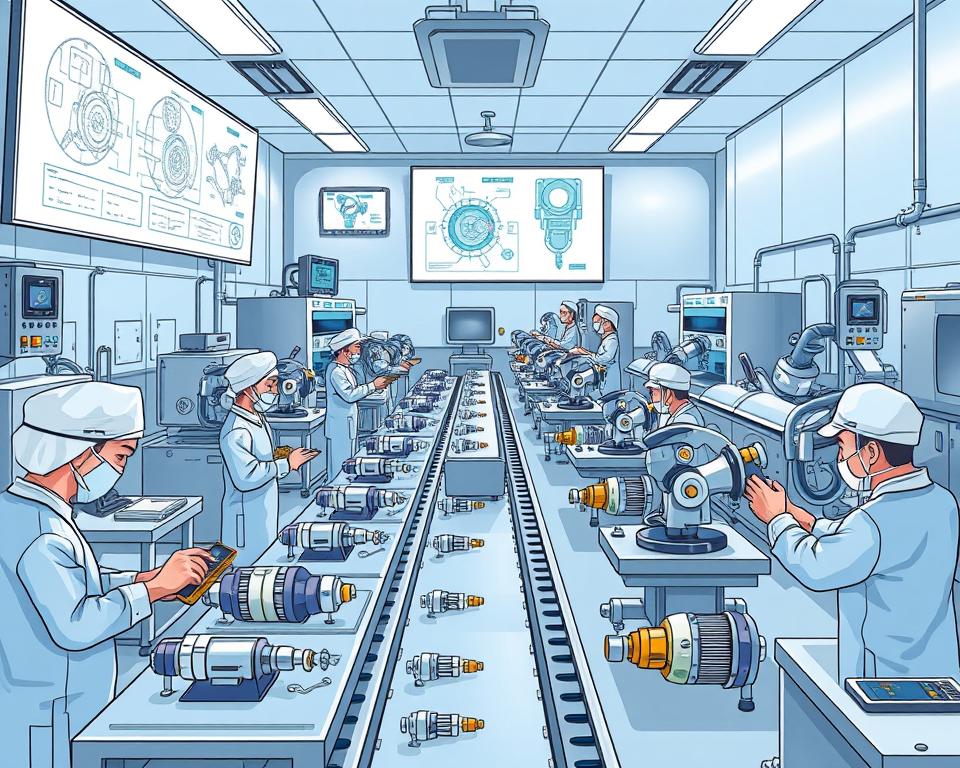
AMT makes special parts that help endoscopes work better. Using MIM and cleanroom assembly meets stringent standards. Components such as biopsy tools and electrodes arrive sterile and ready to use. This makes things faster and safer for patients.

Evolution from early scopes to today’s high-definition, miniaturized endoscopes

The first endoscopes were simple tubes used in the 1800s. Now, we have tiny digital cameras and flexible scopes. Better cameras and lights help doctors see clearer and diagnose better. Early-stage AI assists with faster lesion detection.

With suppliers like AMT, these tools keep improving. Clinicians in Singapore perform more complex therapy with reduced risk. This means patients get top-notch care without big surgeries.

AMT for Endoscopy in Singapore

AMT is your all-in-one partner for those making devices and hospitals in Singapore. They combine precision manufacturing, cleanroom assembly, and sterilization to deliver use-ready tools aligned to clinical timelines. This accelerates development from rapid prototypes to full-scale production while maintaining regulatory focus.

Overview of AMT endoscopy solutions and services

AMT provides MIM, precision component sourcing, 100K cleanroom assembly, and ETO sterilization. The company aids in producing single-use devices, sterile packaging that peels open, and sterilization after manufacturing so instruments can go straight to the operating room. This results in shorter waiting times for manufacturers and gives doctors sterile, ready-to-use tools right away.

Integrating MIM with Device Design

MIM creates complex geometries and micro-features that are hard to achieve otherwise. AMT combines MIM with design focused on manufacturing to cut down on the number of parts by merging several into one. Results include tight precision at micro-scales, improved reliability, and reduced assembly time.

Examples of AMT-supplied endoscopic parts

In AMT’s endoscopy lineup, you’ll find biopsy forceps and graspers for GI and urology, clamps, and scissors for careful tissue handling, and biopsy needles designed with precision. They also provide single-use TURP bipolar electrodes (stainless/tungsten) in sterile, peel-open packs. Each item is made with consistent quality and assembled in clean conditions to ensure they’re safe for clinical use.

Component Manufacturing Method Typical Materials Clinical Use
Biopsy forceps MIM with secondary finishing Stainless steel 316L Tissue sampling in GI and urology
Endoscopic graspers Precision MIM Stainless & tungsten alloys Tissue handling and retrieval
Bipolar TURP electrodes MIM with post-machining Tungsten alloy / stainless Bipolar resection (urology)
Clamps & scissors MIM + micro-machining Medical-grade stainless steel Minimally invasive instrument tips
Precision biopsy needles MIM + heat treatment Medical stainless steel Targeted tissue extraction with precise geometry

With AMT’s endoscopy solutions, the number of assembly steps drops and consistency in each batch goes up. Doctors get devices that are clean, packaged, and ready for surgery. And manufacturers can produce a large amount efficiently and affordably.

Advanced Techniques in Singapore

Singapore is known for its wide range of advanced endoscopy methods. These cover both diagnostic and therapeutic needs. Leading hospitals and centers have endoscopy suites. They deploy the latest tools for simple and complex cases alike.

Gastrointestinal endoscopy: diagnostic and therapeutic capabilities

GI endoscopy includes EGD and colonoscopy. They offer direct viewing, targeted biopsy, polypectomy, and control of bleeding in one session. EMR and ESD techniques treat early cancers endoscopically. All without open surgery.

Minimally Invasive Approaches & Recovery

Minimally invasive endoscopy uses flexible scopes, tiny cameras, and tools for treatment. These advances lessen tissue damage and reduce the need for sedation. As a result, hospital stays shorten. Patients resume normal activities sooner and face fewer complications than with open surgery.

Combined Diagnostic/Therapeutic Procedures

Many procedures combine diagnosis and therapy in one sitting. Physicians can identify and remove polyps, biopsy tissue, and perform coagulation/resection simultaneously. It reduces the need for multiple anesthesia doses, cuts down on hospital times, and enables care in outpatient or day surgery settings.

AMT-enabled tools and precision parts enhance advanced endoscopy in Singapore. Innovations support higher accuracy and safer complex procedures. Consequently, patients across the region have better access to up-to-date care.

Endoscopy technology and instrumentation from AMT

AMT delivers clinical-grade innovations for endoscopy. They bring together optics, precise metals, and disposable items. This helps doctors see clearer and work safer during procedures.

High-definition imaging, miniaturized cameras, and lighting systems

Surgeons get clear, live imagery with high-definition and mini cameras. LED and fiberoptic lighting improve color fidelity and detail. This helps spot issues faster, making surgeries shorter and safer.

Role of Metal Injection Molding in producing precision endoscopic components

MIM lets AMT make precise metal parts for endoscopy. Biopsy forceps, grasper jaws, and electrode tips are made durable and fit well. This method makes the parts reliable by reducing assembly steps.

Single-Use Instruments & Sterile Packaging

Single-use tools arrive sterile to lower infection risk. AMT ensures safety with ETO sterilization and clean assembly. Sterile-barrier packaging and lot traceability secure workflows.

Feature Clinical Benefit AMT capability
HD imaging Better lesion detection and therapeutic precision Integrated CMOS + LED/fiber lighting
MIM-fabricated components Precision, strength, and consolidation MIM for forceps, electrodes, micro-instruments
Sterile single-use instruments Reduced infection risk, simplified reprocessing Peel packs, ETO, cleanroom assembly
Traceability and packaging Compliance and supply confidence Lot traceability, sterile barrier systems, validated processes

AMT unites imaging, MIM components, and single-use tools for modern practice needs. Focus areas are accuracy, reliability, and safety in Singapore and beyond.

Singapore Endoscopy Care

Singapore hospitals and specialty centers maintain a robust endoscopy network. Expert teams—gastroenterologists, nurses, and techs—use advanced equipment to manage care efficiently. High-quality devices ensure safety for both local and visiting patients.

Workflow Support from AMT

AMT’s precision parts for endoscopy help avoid equipment failures and keep schedules on track. Exacting instruments (e.g., biopsy forceps) speed case turnover. This reliable quality makes procedures run smoother and reduces the chance of delays.

Comfort & Faster Recovery

Modern equipment with thinner scopes increases patient comfort. These improvements mean many patients only need mild sedation. Result: less tissue trauma and faster discharge.

Clean Processes & Sterility

AMT aligns with Singapore’s hospital sterilization methods, using cleanrooms and ETO sterilization. Single-use options reduce reprocessing workload and infection risk. This ensures equipment is safe and ready for patient care.

Operational Efficiency & Ecosystem

Disposables accelerate turnover and free staff for clinical tasks. Consistent AMT supply keeps high-demand services running smoothly. This collaboration supports consistent, high-quality care.

Operational Need AMT Contribution Benefit for Patient Care
Reliable instruments Precision MIM components for forceps and graspers Fewer procedure delays and safer outcomes
Turnover time Single-use devices, stocked sterile kits Faster patient throughput and reduced wait times
Sterility assurance 100K cleanroom assembly with ETO sterilization Lower infection risk and compliant workflow
Patient comfort Miniaturized scopes and refined accessories Less sedation/discomfort, quicker recovery

Training and Competency

To work with modern endoscopy tools, you need both education and hands-on experience. GI, urology, and surgical specialists complete focused training. Simulation and supervised cases reinforce competency. This way, they learn to safely use the latest technology.

Training to Operate Advanced Systems

Endoscopy training emphasizes procedure volume and competency assessment. Trainees practice with HD imaging, energy devices, and system management. They also learn about using different types of endoscopy parts and disposable items. This reduces mistakes related to the equipment. The training often includes tests and monitored cases.

Centralization and Access

In Singapore, top-end endoscopy training is mainly at big hospitals. These places become experts because they handle many cases. But, people living far away might find it hard to get to these specialists. Health systems have to think about whether to spread out resources or keep them centralized.

Continuous education and competency for therapeutic care

Teams must keep pace with new tools and computer-aided imaging. They often check their work and learn from mistakes to stay safe. Vendors such as AMT offer courses to deepen technical understanding. Keeping up with training means fewer problems and happier patients.

Workforce and cost implications

Keeping a team skilled involves spending on training and time for teaching. These costs influence treatment pricing. Strategic workforce planning supports equitable access.

Endoscopic procedures covered and clinical indications

Endoscopic procedures cover a broad scope of both checking and fixing health issues. In Singapore, clinicians apply these methods widely. They evaluate symptoms, manage benign conditions, and sample tissue with minimal disruption.

Common GI Procedures

Upper endoscopy and colonoscopy identify bleeding, investigate dyspepsia, and support colorectal cancer screening. Therapeutic tasks include polypectomy, resection, hemostasis, and targeted biopsy. Tools from AMT let doctors take precise samples for checking early signs of cancer.

Urological Indications

Ureteroscopy/cystoscopy visualize the urinary tract for stones, obstruction, and tumors. For BPH, transurethral resection is common. TURP electrodes are precisely manufactured. They come with tips made of stainless steel or tungsten for cutting and stopping bleeding.

When minimally invasive endoscopy is preferred

MI endoscopy is preferred for early tumors, benign obstruction, and urgent bleeding. It’s also favored when less invasive sampling is safer than open surgery. People with other health problems also get better faster and need less time under anesthesia with this method.

Choosing the Right Approach

The choice between endoscopy and open surgery depends on pathology, size, and location. The choice also relies on the available skills and tools. What the patient prefers and how quickly they can expect to recover are also important in making a decision.

Indication Common Endoscopic Approach AMT Component Role
Upper GI bleeding UGI endoscopy + hemostasis HD optics + forceps for targeted sampling/coagulation
Colorectal polyp Colonoscopy with polypectomy or EMR Mini graspers/snares via precise MIM
Suspected bladder tumor Cystoscopy with directed biopsy Durable single-use biopsy tools + cameras
Benign prostatic hyperplasia (BPH) Bipolar TURP resection Single-use TURP electrodes (stainless/tungsten) for resection/coagulation
Ureteral stone URS + laser lithotripsy Precision tips and mini shafts for passage and manipulation

Safety, sterilization, and regulatory compliance

Patient safety depends on meticulous cleaning, assembly, sterilization, and documentation. AMT operates advanced 100K cleanroom assembly lines. These lines combine top-notch assembly methods with reliable sterilization processes. This improves infection prevention and meets hospital standards.

AMT Clean Assembly process concludes with sterile, ready-to-use devices. For reusable tools, AMT provides validated cleaning/sterilization guidance. Recommended sterilization methods are specified. ETO is key for heat-sensitive items, ensuring safety and audit readiness.

When choosing between single-use or reusable instruments, it’s important to consider several factors. Single-use instruments reduce infection risks and make meeting regulations easier. On the other hand, reusable devices can save money but require a strong system for cleaning and sterilization to stay safe.

In Singapore, medical devices must meet certain standards. Companies have to register with the Health Sciences Authority and show they follow ISO 13485 standards. Electrical components must satisfy relevant IEC standards. Also, providing clinical evidence and conducting post-market surveillance are crucial for keeping up with regulations.

Medical tourism introduces added complexity. Hospitals serving international patients maintain detailed device provenance, sterilization history, and staff training records. Such documentation is necessary to meet the standards of foreign insurance and accreditation organizations. It supports informed choices and a sterile, traceable supply chain.

Aspect Single-use Reusable
Infection risk Low; one-and-done use lowers cross-contamination Depends on validated reprocessing + tracking
Cost profile Higher consumable cost per case; lower capital outlay Higher upfront capital; lower per-case consumables over time
Sterilization method Delivered sterile after ETO sterilization or aseptic packaging Requires autoclave, ETO sterilization, or validated cycles per material
Regulatory/documents Simpler traceability for single lots; packaged sterile barrier records Comprehensive logs, maintenance, performance validation
Environment More waste volume; recycling programs emerging Less disposable waste; energy/water use for reprocessing
Operations Less reprocessing work; faster turnover Needs staff, validated SOPs, and processing downtime

Hospitals need to consider risks, costs, and rules when picking endoscopy solutions. Good recordkeeping, proper ETO sterilization processes, and clean assembly are crucial. These ensure safety and support regulatory adherence.

Economic and access considerations for advanced endoscopy in Singapore

Advanced endoscopy clearly benefits patients. High-definition equipment and special tools make costs go up. These costs influence pricing and service models.

Endoscopy suites with the latest tech can be very expensive. Keeping them running adds more costs each year. Disposables and continuous training further increase expense. Collectively, these factors shape overall service cost.

Medical tourism and regional demand

Hospitals in Singapore attract patients from across Southeast Asia. They come for complex procedures they can’t get at home. Shorter wait times and high-quality service are big draws. Cross-border partnerships help manage cost and consistency.

Maintenance & Lifecycle Economics

Hospitals have to think about the upfront costs and the costs over time. Recurring consumables and parts add up. However, smart management and good deals can reduce the financial strain. Transparent accounting enables fair center-to-center comparisons.

Access Equity Considerations

Focusing advanced care in select centers can make healthcare gaps bigger. Access hinges on funding and insurance. If not handled carefully, only the well-off will benefit. Planning should aim for equitable distribution.

Policy & Collaboration

Working together, the public and private sectors can make care both innovative and affordable. Subsidies and transparent pricing ease pressure. Safe use of disposables can also keep infection risks low without raising costs. Together these policies support fairer access.

Factor Impact on Pricing Potential Policy Response
Capital equipment (endoscopy towers, HD cameras) High capex raises per-case amortization Subsidies, leasing options, shared suites in public hospitals
Maintenance and software Annual contracts add predictable OPEX Competitive bidding, multi-year service agreements
Consumables/single-use Direct per-procedure cost increases Evidence-based adoption, reimbursement adjustments
Specialist training and staffing Higher labor and credentialing costs Gov-funded training, regional centers
Tourism demand Revenue can help subsidize advanced services Quality accreditation, transparent pricing for international patients
Supply-chain integration Improved availability can lower amt endoscopy cost Local manufacturing incentives, partnerships with AMT
Insurance/subsidy Sets out-of-pocket burden Expanded coverage, means-tested support

Future trends: AI, telehealth integration, and manufacturing advances

Innovation is reshaping endoscopic care in Singapore and the region. New technologies in imaging, connecting remotely, and making things are coming together. The result: expanded capabilities, easier workflows, and lower per-procedure cost. These changes affect doctors, companies making devices, and hospitals.

AI for Detection and Triage

Machine learning assists in detecting subtle lesions and classifying polyps in real time. AI support increases accuracy and helps catch things that might be missed. This gives doctors an extra pair of eyes while working.

Deploying AI requires validation, clear performance metrics, and bias mitigation. Staff at hospitals need to learn how to understand what AI says and balance it with their medical knowledge.

Remote Support & Tele-Endoscopy

Telehealth endoscopy starts new ways to oversee and consult. Remote experts can observe live, advise on biopsies, and offer second opinions.

Managing devices from a distance means less need for in-person tweaks and using less protective gear. Teams monitor health, schedule maintenance, and update systems proactively.

Scaling Precision with MIM

MIM manufacturing makes it cheaper to make small, precise parts for modern scopes and tools. Metal injection molding combines steps, reduces assembly time, and increases the amount made while keeping quality high.

Quicker prototype making and lower costs per item help in improving new designs. Consistency increases device longevity and supports steady clinical supply.

Practical Implications

The improvements in AI endoscopy, telehealth, and MIM manufacturing offer chances for spread-out care and quicker diagnosis. Health systems should update training, invest in cybersecurity, and clarify data governance.

Device makers should collaborate closely with clinicians. They need to check how things work and fit AI support and remote management smoothly into daily uses.

Trend Key Benefit Primary Challenge
AI detection Improved lesion detection and standardized reads Validation, bias mitigation, clinical governance
Tele-endoscopy Access to remote expertise and centralized oversight Bandwidth, privacy, workflow integration
MIM precision Scalable precise parts at lower unit cost Tooling, QC, and traceability requirements
AMT endoscopy solutions End-to-end continuity of device supply Interoperability, clinician training, maintenance models

Wrapping It Up

AMT’s endoscopy in Singapore uses precise manufacturing and cleanroom assembly. This supports high-quality, minimally invasive care. Solutions include clear imaging, dependable single-use tools, and durable components.

The perks include better diagnosis with HD images and AI. Procedural workflows are more streamlined. This means big improvements for endoscopy departments.

But, there are hurdles like costs of equipment and training. There’s also the need to follow strict rules. Choosing between reusable and disposable tools impacts infection control and costs. Fixing these problems is key to make sure everyone can get the care they need.

Going forward, integrating AI, telehealth, and advanced manufacturing will enhance services. In Singapore, makers, health leaders, and government officials must collaborate. Their goal? To make sure endoscopy help is safe, affordable, and available to all.

Color Alignment in Fiber Ribbon Line Applications

FTTH Cable Production: Manufacturing Process Explained

Did you know: in excess of 70% of U.S. broadband rollouts now use fiber networks that require high-precision manufacturing to meet performance goals.

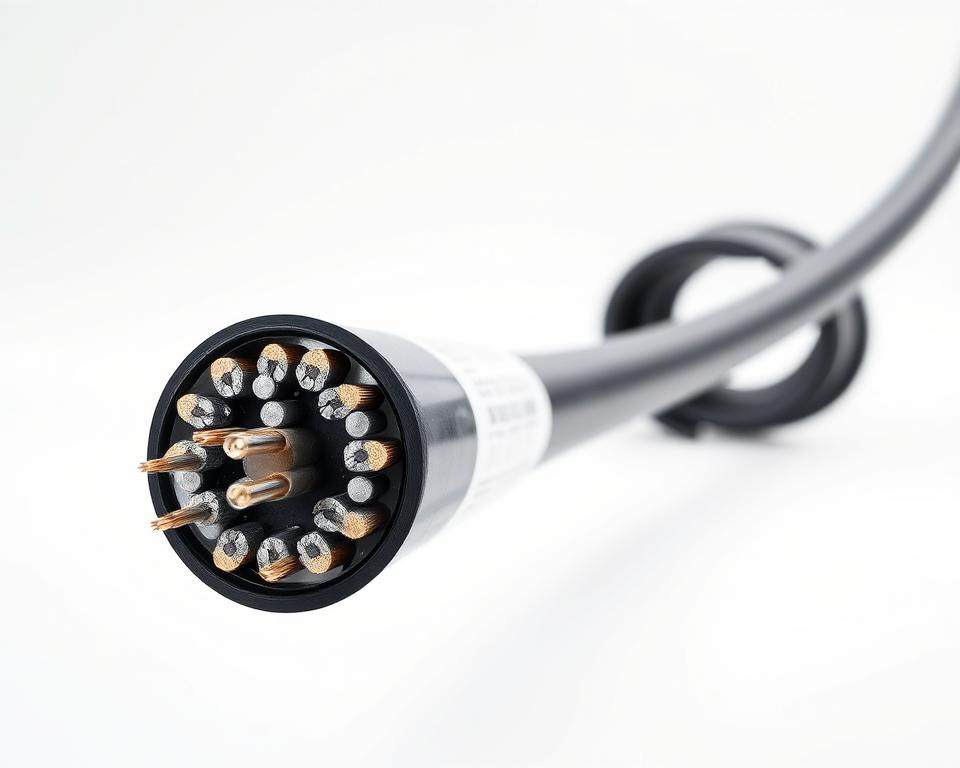
Shanghai Weiye OFC Equipment runs end-to-end compact fiber unit manufacturing, from selecting brand fibers like Fujikura or Corning SMF-28e to comprehensive test documentation that deliver 100% QA.

Our drop cable designs fit overhead, underground, and direct-buried installation, with LSZH, PVC, and polyethylene (PE) jacket options and arrangements from 1–4 cores. We offer OS1/OS2 and multimode OM2–OM4 grades plus ITU-T G.652D and ITU-T G.657 variants, Pantone sheath colors, and logo printing.

Automation and high-precision equipment keep line speed steady and repeatability high. Typical lead times run 4–5 days for orders under 100 km and 7–10 days for < 500 km, with an MOQ of 1 km and warranty covering free replacement for confirmed quality issues.

Keep reading to understand how our materials, tests, and support work together to reduce lifecycle cost and align the product to your network needs.

  • Shanghai Weiye OFC Equipment provides complete production and laboratory testing for United States projects.
  • Multiple jacket choices and optical grades fit different install environments.
  • Automated lines and machines ensure stable quality and reliable optical performance.
  • Fast lead times, low minimums, and brand fiber options support reliable procurement planning.
  • Comprehensive test reports and warranty support product reliability and compliance documentation needs.

Specialized FTTH Manufacturing by Shanghai Weiye OFC Equipment

When deadlines and performance are critical, Shanghai Weiye OFC Equipment delivers customized drop cables with complete test documentation.

As a dedicated manufacturer, Shanghai Weiye OFC Equipment pairs purpose-built equipment with tight material control. We offer customized service and products for single-family and MDU rollouts. Every order includes full QA coverage and complete test reports.

Our lab conducts high-temperature, salt-fog, and vibration tests to verify durability. Jacket options include LSZH, PVC, and PE. Designs include flat bow-type and self-supporting styles and support brand fibers such as Fujikura and Corning® SMF-28e.

FTTH cable production line

  • Controlled production lines and in-process checks for fully auditable shipments.
  • Engineering support for specs, trials, and ramp to volume.
  • Modern fixturing and calibration reduce variability so every cable meets carrier standards.

FTTH cable production

At Shanghai Weiye OFC Equipment, manufacturing steps are matched to network specs, pairing brand fiber choices with disciplined test flows.

Fiber Selection & Brand Options

We select fiber secondary coating line to minimum bend radius, loss, and install environment. Options include OS1, OS2, OM2–OM4 and ITU-T G.652D, G.657.A1/A2. Brand fibers such as Fujikura® and Corning SMF-28e are available to satisfy sourcing standards.

Strength Member Options

Strength members use dielectric FRP or galvanized steel wire. FRP is preferred where non-conductivity is necessary. Steel wire provides tensile strength for long-span aerial runs and bonding/grounding needs.

Extrusion & Process Control

Jacket options include LSZH for flame/smoke safety, PVC for flexibility, and PE for UV/moisture resistance outdoors. Tight process control of temperature and capstan ratios keeps line speed stable and dimensional tolerances.

Member FRP Steel wire
Use case Non-conductive runs High-tension aerial runs
Key benefit Light, non-corrosive Very high tensile strength
Installer note Simple terminations Requires grounding

Inline and final testing

Inline geometry/concentricity checks run during manufacturing. Final optical tests verify loss and return loss. Each order ships with a full test report and lab results from high-temperature, salt-spray, and vibration tests to qualify field handling and drop terminations.

Typical lead times are 4–5 days for < 100 km and under 500 km in 7–10 days. Material lot records and FAI approvals support traceability and compliance for U.S. projects.

FTTH Drop Designs We Build

Shanghai Weiye OFC Equipment offers a focused portfolio of FTTH drop designs that cover tight indoor routes and exposed aerial spans. Each option combines tested materials with field-termination geometry and consistent optical performance.

The bow-type flat drop cable keeps a small footprint for risers and conduit. It reduces bend loss for simple routing in MDU corridors and hallways.

Self-supporting designs for aerial spans

Self-supporting FTTH drop designs use a support messenger to carry tensile loads. Choose dielectric FRP for non-conductive runs or steel wire when bonding and extra tensile strength are required.

Core Layouts and Strength Members

We offer both dielectric and metallic strength member configurations to meet safety/EMI requirements. Center loose tube and flat unitube types balance crush resistance and Fiber draw tower for quick termination.

Indoor/outdoor jackets

Jacket choices include LSZH for indoor flame/smoke compliance and PE for outdoor UV and moisture resilience. Each family is qualified for mechanical and optical quality before shipment.

Design Application Strength member Jacket
Bow-type flat Indoor risers and MDUs Dielectric FRP Low-smoke zero-halogen
Self-supporting Aerial spans FRP/Steel Polyethylene
Center loose tube Higher-count builds FRP LSZH/PE
Unitube flat Low-count, easy strip FRP or steel LSZH/PE

Equipment Ensuring Quality and Throughput

Automation with sensor feedback at Shanghai Weiye OFC Equipment cut manual handling and increase throughput for patch cord prep.

Our production line integrates automated machines that cut/strip drop cords to raise throughput and cut labor variability.

The CLX-BPO2 auto-stripping machine runs under PLC and photoelectric control. One cycle is ~1.5 s, giving real-world speeds near 20 terminal operations per minute.

Automated Cut/Strip for Drop Cords

The equipment strips LSZH and PVC jackets and trims FRP or steel strength members to precise stub lengths. Cylinder-driven actuators provide quick, repeatable motion and low downtime.

Closed-Loop Control for Repeatability

PLC logic + photoelectric sensors deliver precise positioning and closed-loop control. Inline checks feed control charts so operators can adjust drifts before defects grow.

Feature Spec Benefit
CLX-BPO2 1.5s cycle, auto-strip ~20 terminals/minute throughput
Actuation Pneumatic cylinders Fast/reliable motion
Materials LSZH/PVC; FRP/steel Accurate stubs, clean terminations
Process control PLC + photoelectric + inline checks Stable quality, reduced rework
  • Auto scrap ejection and ergonomic feeders maintain clean workcells.
  • PCPs document calibration and key parameters.
  • Integrated assets and trained operators help meet FTTH volume goals without compromising accuracy.

What the CLX-BPO2 Adds

The CLX-BPO2 provides industrial-grade strip/trim to our line, cutting cycle time while maintaining consistent prep.

Shanghai Weiye OFC Equipment deploys the CLX-BPO2 to increase throughput and standardize prep quality. The unit cycles in ~1.5 seconds, yielding about 20 terminal preparations per minute in production.

PLC/photoelectric control deliver exact detection and repeatable motion. That control helps keep strip lengths and reserved strength stubs within tight tolerances.

Throughput & Cycle Time

Typical operation speed is 1.5s per cycle. This enables steady throughput under continuous line conditions.

Supported Strip and Stub Lengths

The CLX-BPO2 handles LSZH/PVC with an adjustable jacket strip length from 17.5–35.0 mm. Reserved strength member stubs are set between 7.0 and 11.0 mm to fit common termination hardware.

Handling FRP and steel wire strength members

The machine cleanly cuts FRP and steel wire strength elements while protecting neighboring fibers. Customized cutters are offered for non-standard cross-sections to maintain precision.

  • Auto-eject scrap and sensor start cut idle time.
  • Small footprint (L40 × W18 × H18 cm), 110–220V, 50W, and 11 kg weight simplify cell integration.
  • Cylinder-driven motion and closed-loop control improve line reliability and reduce maintenance downtime.
Specification Value Benefit
Cycle time ~1.5 s (~20/min) High throughput for production runs
Strip lengths (A) 17.5–35.0 mm Fits common connector processes
Reserved stub (B) 7.0 to 11.0 mm Supports termination strength
Power & size 110–220V, 50W; 40×18×18 cm Easy integration into existing equipment

Using this machine, Shanghai Weiye OFC Equipment standardizes prep so field teams get drop parts install-ready. The CLX-BPO2 supports our lines in meeting volume targets without sacrificing quality.

Custom Specs for Your FTTH System

Shanghai Weiye OFC Equipment configures each build to meet your network requirements and simplify field rollout. We combine focused options with predictable schedules so your teams get install-ready reels.

Choose 1–4 core designs with single-mode or multimode fiber. Options include OS1, OS2, and OM2–OM4 along with G.652D and G.657 variants to match your optics and connector plans.

We match sheath colors to Pantone codes for fast field ID and consistent asset tagging.

Branding and Print Options

Select LSZH, PVC, or PE jackets based on route and safety rules. Custom print legends and logos support inventory and warranty tracking.

Put-Ups, Packaging, and Structures

Standard put-ups are 1/2/4 km with custom reels and packaging to suit storage and handling. Choose bow-type flat or self-supporting designs and FRP or steel members to fit span and isolation requirements.

Option Common choice Benefit
Length 1 / 2 / 4 km Simpler staging and reels
Jacket LSZH, PE, PVC Indoor/Outdoor fit
Structure Flat bow / Self-supporting Flexible routing/span

As a manufacturer, Shanghai Weiye aligns runs to your schedule and provides docs that detail final specs for straightforward QA on site.

QA, Testing & Documentation

Shanghai Weiye OFC Equipment embeds quality checkpoints across the production line so every item ships with recorded acceptance data.

Lab Testing: Heat, Salt Spray & Vibration

Our lab conducts high-temperature exposure, salt spray corrosion, and mechanical vibration to qualify materials/assemblies. These tests recreate field stresses for indoor and outdoor use.

Per-Reel 100% Reports

Every fiber optic cable includes a 100% test report that records loss, return loss, and key geometry where applicable. Final QC gates stop nonconforming items before they leave the factory.

Traceability & Compliance

Batch records tie test data to reels and serials so audits and warranty claims are simple to verify. Documentation uses standard customer templates to accelerate approvals and receiving inspection.

  • Line checks and final inspection prevent field failures and lower warranty events.
  • Quality packages include specifications confirmation and formatted data for rapid review.
  • Ongoing trend analysis drive preventive maintenance and raise long-term reliability.
Test Why Result
Heat exposure Thermal stability Validated heat endurance
Salt spray Corrosion resistance Outdoor suitability
Vibration Resistance to vibration Reduced field failures

Pricing and cost drivers for FTTH drop cable

Budget planning for a drop starts with fiber and jacket choices and is shaped by volume and customization.

Typical prices range broadly—from about $30 to $1,000 per unit—based on fiber grade (G.652/G.657/OM2–OM4), jacket material, length, and design structure.

Materials, Grade, Jacket & Structure

The primary cost drivers are fiber grade, sheath material, and the structural type chosen for deployment.

Self-supporting structures and steel members increase material/labor. Custom colors, logos, and print legends add setup and influence price for short runs.

Order length, volume, and customization impact on price

Longer reels and higher volume orders reduce unit cost. Small quantities often carry setup fees and higher per-unit charges.

  • Line changeovers and custom tooling extend lead time and add cost.
  • Clear RFQs with schedule alignment let Shanghai Weiye OFC Equipment match quotes to delivery windows.
  • Framework agreements and indexed pricing stabilize budgets over phases.
Factor Price impact Recommendation
Optical grade Large Balance spec vs. budget
Sheath material Medium Evaluate LSZH vs PE
Length/Volume High impact Consolidate where possible

Lead times, MOQ, and delivery for the United States

Shanghai Weiye OFC Equipment makes lead times and logistics clear so planners can align staffing and sites. Predictable schedules reduce downtime and help control cost when a rollout is underway.

Production Windows & Capacity

Typical production windows run 4–5 days for orders under 100 km and 7–10 days for orders under 500 km. We plan capacity to match your rollout milestones and to keep deliveries on time.

The service team issues production updates and tracking so installation teams know when reels arrive. For tight schedules, we hold contingency capacity to accelerate critical-path orders.

Minimum order quantity and why it matters

The MOQ is one kilometer. This reflects line setup such as wire and jacket die adjustments that use startup material and generate scrap.

We review your length and staging plans to select reels to reduce waste/handling. Staggered batches can balance inventory holding with more frequent small-site deliveries.

Installation readiness and application scenarios

Site conditions dictate whether a self-supporting aerial, ducted pull, or direct-buried run is the best fit for a project.

Aerial vs Duct vs Direct-Buried

For aerial runs, Shanghai Weiye OFC Equipment advises self-supporting designs with appropriate members to control sag and tension for long-term reliability.

Duct installations perform best with low-friction sheaths and crush-resistant constructs so pulling does not damage fibers. PE jackets are common for underground and buried paths where moisture resistance matters.

Direct-buried designs require proper depth control per local codes and moisture barriers to protect the optic core over time.

Indoor Distribution and ONT

Indoor riser and plenum routes favor LSZH jackets to meet smoke/flame codes. Flat drop cable forms strip cleanly and present controlled stubs for fast ONT terminations.

We guide the choice of steel or FRP (dielectric) strength members based on bonding requirements, lightning exposure, and hardware compatibility. Standardized line prep shortens install time and reduces scrap.

Scenario Key design Installer note
Overhead Self-supporting (steel/FRP) Verify messenger hardware/tension
Duct Low-friction, crush-resistant Use pull tape + lubricant
Direct burial PE jacket, moisture barrier Follow depth/warning tape codes
Indoor LSZH with tight-bend support Maintain bend radius at wall penetrations

Our approach ensures a consistent install experience across indoor/outdoor transitions. That leads to fewer callbacks, faster activations, and stable field performance for your system.

Comprehensive Support & After-Sales

Our team coordinates testing, scheduling, and installation guidance to remove surprises during deployment.

Shanghai Weiye OFC Equipment offers engineering support from early requirements through approved drawings and pilot builds. We deliver documentation templates and clear installation notes so field crews share a unified plan.

After-sales service includes fast response, RCA, and corrective action. All products ship with full test reports and traceability to help QA acceptance.

  • Round-the-clock availability for status updates and technical guidance.
  • Warranty with free replacement if any quality problems are confirmed.
  • Coordination of line schedules for urgent changes or acceleration requests.
  • Config control so shipped items match agreed requirements every time.
Area What we do Outcome
Tech/Eng Spec review & pre-production builds Fewer field issues
QA/Testing Lab + 100% reports Full traceability
Service Rapid replacement & root-cause Lower downtime

Conclusion

Choose Shanghai Weiye OFC Equipment for tailored drop builds, short lead times, and traceable quality records.

We provide custom FTTH drops that pair material choices with validated manufacturing and lab testing. Every reel ships with a 100% test report and documented lab trials to support U.S. field acceptance.

A hardened production line, including CLX-BPO2-enabled prep machines, cuts variability and shortens turnaround. Our equipment set standardize strip and stub lengths so installers get consistent results at turn-up.

From fiber selection to jacket, printing, and packaging, we balance design and cost to extend service life. Dedicated customer support covers scheduling/logistics/after-sales so your deployment remains on plan.

Get in touch with Shanghai Weiye OFC Equipment to align specs, timeline, and volume. We stand behind every shipment with laboratory validation and responsive service.

Related: Advances in Polymer Coatings for Fiber Secondary Coating Lines

Cast Iron Gate Valves for Fire Suppression Systems

Cast-Iron Gate Valves: Durable Utility Flow Control

Surprising fact: More than 60% of municipal distribution lines depend on traditional shutoff hardware for reliable isolation in emergencies.

We offer a heavy-duty line of Cast Iron Gate Valve Manufacturer engineered for long life in plant, building, and municipal use throughout the U.S.. Each unit pairs a rugged body and bonnet with a time-tested gate design to fight abrasion and limit corrosion under fluctuating pressure/temperature cycles.

The unobstructed gate cuts flow restriction at full open, supporting transfer of water and suitable media with lower pressure drop. Designers and maintenance teams prefer the straightforward serviceability, standard connection options, and widely available parts that speed up selection and repairs.

This range covers several series and ratings to match typical duty ranges, end connections, and operator preferences. Count on predictable sealing, steady operating torque, and cost-effective ownership focused on uptime and low life-cycle cost.

Why It Matters

  • Engineered for long-lasting shutoff and reliable flow control in demanding environments.
  • Sturdy construction stands up to wear, corrosion, and mechanical stress.
  • Gate geometry delivers low flow restriction and less pressure loss.
  • Provided in a range of series and class ratings to meet standard specs.
  • Easy maintenance, common parts, and predictable sealing support uptime.

Precise Flow Control Using Cast Iron Gate Valves

Purpose-built shutoff valves with precision-machined wedges and precision seats provide stable performance across commissioning, operation, and shutdown cycles. Solid iron bodies and tight seating produce dependable sealing. That consistency supports safe isolation and cuts unplanned downtime.

Smooth-operating feel reduce handwheel effort and let technicians position the wedge with confidence. Simple stems and standard accessories allow easy adaptation to handwheel or actuation. Lower effort accelerates routine checks and repairs.

Cast Iron Gate Valve Manufacturer

Stem Types and Performance

Aspect Rising-Stem Nonrising Stem
Position visibility High — stem travel shows position Low — enclosed indication
Overhead clearance Requires overhead clearance Suited to pits or vaults
Service Easy to inspect Compact with comparable life

When fully opened, the full-bore passage delivers minimal headloss and smooth throughput. Tight sealing reduces leakage risk and maintains target pressure for downstream equipment. In combination, these traits lower life-cycle cost and enhance system uptime across typical commercial/light-industrial applications.

Specs, Designs, and Options for Cast Iron Gate Valves

Specific design decisions—body alloy, stem style, and flange standard—dictate performance, fit, and service ease.

Body and bonnet construction

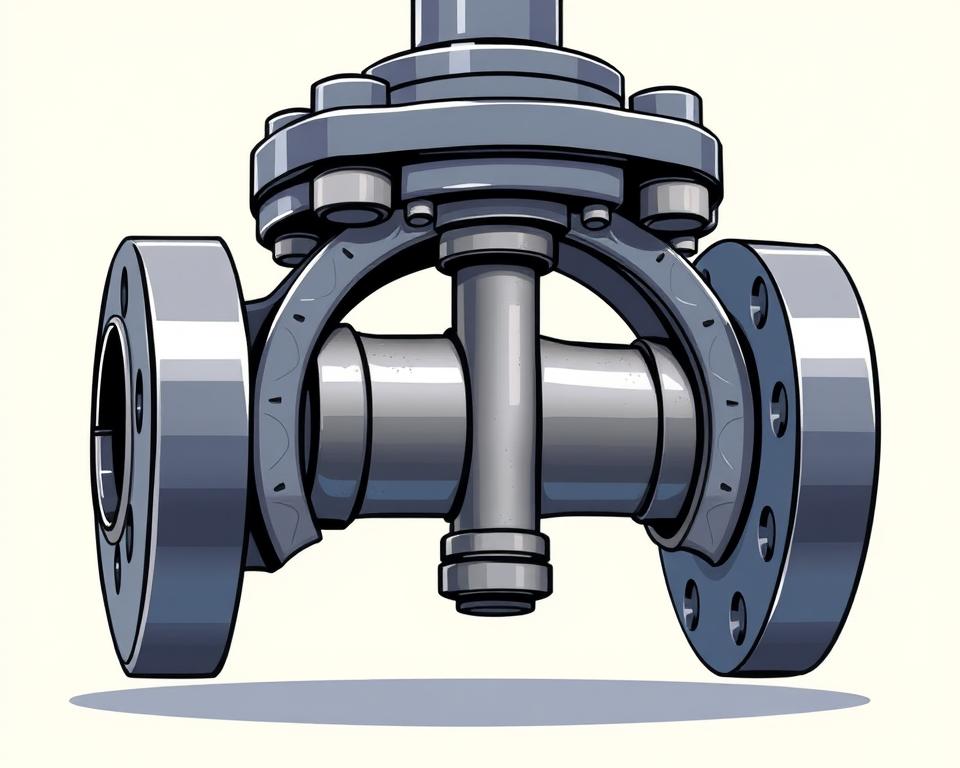
The body and bonnet use cast iron for structural strength and resistance to vibration. Precision-machined guides maintain gate alignment for dependable sealing.

Rising stem vs non-rising stem

A rising stem gives a clear visual indication of position and is simple to inspect but needs extra headroom. A non-rising stem saves overhead space and protects threads within the bonnet.

Both stem designs are compatible with common handwheels and can be configured for actuators or external indicator posts when automation is required.

Understanding Class 125 Performance

ASME Class 125 is widely used for water and general service within normal temperature envelopes. Verify with published pressure-temperature limits to confirm suitability for the intended operating envelope.

Connections and Face-to-Face Dimensions

Parameter Spec Remarks
Flange drilling ASME bolt pattern Compatible with typical piping
End-to-end Per industry series Check spec sheet for exact dimension
Bolts Use spec’d grade and torque Gasket choice influences seal
  • Sizes/series: available from small line sizes to larger mains with multiple series and trim options for durability and maintainability.
  • Trim choices and packing: seat and wedge materials balance tight shutoff and longevity; upgraded packing and bonnet gasketing improve stem sealing.
  • Integration notes: verify F2F length, bolt patterns, and torque values ahead of install.

Use Cases, Compliance, and Integration

Applications for these Resilient Seated Gate Valve span municipal water mains, building risers/standpipes, and pump room isolation points where dependable shutoff is critical.

Water distribution and fire systems commonly apply these as sectional/control points. They offer clear position feedback and strong shutoff for life-safety and utility networks.

Flow & Shutoff in Bi-Directional Service

The gate design allows shutoff in both flow directions when installed to manufacturer instructions. This flexibility eases layout choices and works with redundant runs.

Maintenance & Stem Sealing

Service-accessible bonnet hardware, guided wedges, and serviceable packing make inspection and repacking faster. Right packing setup keeps stem sealing under frequent operation.

Indicators, OS&Y, and Orientation

External posts and OS&Y styles give visible open/closed status for inspections. Even with bi-directional service, adhere to the recommended orientation and clearance guidance to ensure safe operation.

System Key Benefit Design Check
Distribution mains Secure isolation Confirm class 125 pressure limits
Sprinkler/standpipe Clear status for inspectors Use indicator or OS&Y option
Mechanical rooms Service access Match flange and face-to-face dimensions

Final Thoughts

Opt for proven shutoff equipment with robust construction and predictable flow control.

You get durable isolation and consistent control for water and utility applications. Count on easy installation and easy maintenance for long-term reliability.

Key specs include Class 125 rating, a robust body and bonnet, and designed stem sealing to maintain performance across commercial and plant environments.

Several series in common sizes, along with handwheel or actuator-ready configurations, streamline specification. Clear position indication and low-friction stem travel enhance daily operation and response under variable conditions.

The gate wedge and seat supports tight shutoff and low pressure loss. Verify sizes, end connections, and accessories at specification time to accelerate purchasing and commissioning.

Choose valves manufactured to stringent standards. Our team can review class, sizing, and series choices to align equipment with your operating and maintenance goals.

Key Trends in China Plastic Mold Company Strategies

How to Source Injection Molding Services from China

Well, the major meeting has just concluded. your new product is a go, the schedule is tight, and funding is, to put it mildly, limited. Then a voice—perhaps your manager or the CFO—drops the line that gives every project manager a shock: “We should look at sourcing this from China.”

Of course, you acknowledge. It seems sensible at first glance. The cost savings can be huge. Yet your thoughts are already spinning. You’ve heard all the horror stories, right? Quality failures, endless communication gaps, shipments arriving months late and nothing like the prototype. It feels like walking a thin line between big savings and total project failure.

However, here’s the reality. Procuring China injection molding needn’t be a roll of the dice. It’s a project, just like any other. And like any project, it succeeds or fails based on the process you follow. It isn’t about the cheapest offer but about choosing the right supplier and running the process transparently. Ignore the nightmare anecdotes. Here’s a practical playbook to nail it.

China injection molding

First Things First: Your Homework

Before you even whisper the word “supplier” or open a browser tab to Alibaba, you need to get your own house in order. In fact, most overseas manufacturing headaches stem from a vague or incomplete RFQ. You can’t expect a factory on the other side of the world to read your mind. A vague RFQ is like telling a contractor to bid on “a house.” The responses you get will be all over the map, and none of them will be useful.

Your RFQ should be bulletproof—clear, detailed, and unambiguous. This becomes the bedrock of your sourcing project.

So, what goes in it?

First, your 3D CAD files. These are non-negotiable. Stick to universal formats like STEP or IGS to avoid any compatibility headaches. This is the master blueprint for your part’s geometry.

Yet 3D models don’t cover everything. You also need detailed 2D drawings. This details critical info missing from the 3D file. I’m talking about critical tolerances (like ‘25.00±0.05 mm’), material specifications, required surface finishes, and notes on which features are absolutely critical to function. If a specific surface needs to be perfectly smooth for a seal, or a particular hole diameter is vital for an assembly, your 2D drawing needs to shout it from the rooftops.

Then specify the material. Don’t just say “Plastic.” Nor just “ABS.” Be explicit. Specify SABIC Cycolac MG38 in black, if that’s the resin you need. What’s the reason? Because there are thousands of plastic variations. Defining the exact material guarantees the performance and appearance you designed with plastic mold injection.

Your supplier might propose substitutes, but you must set the baseline.

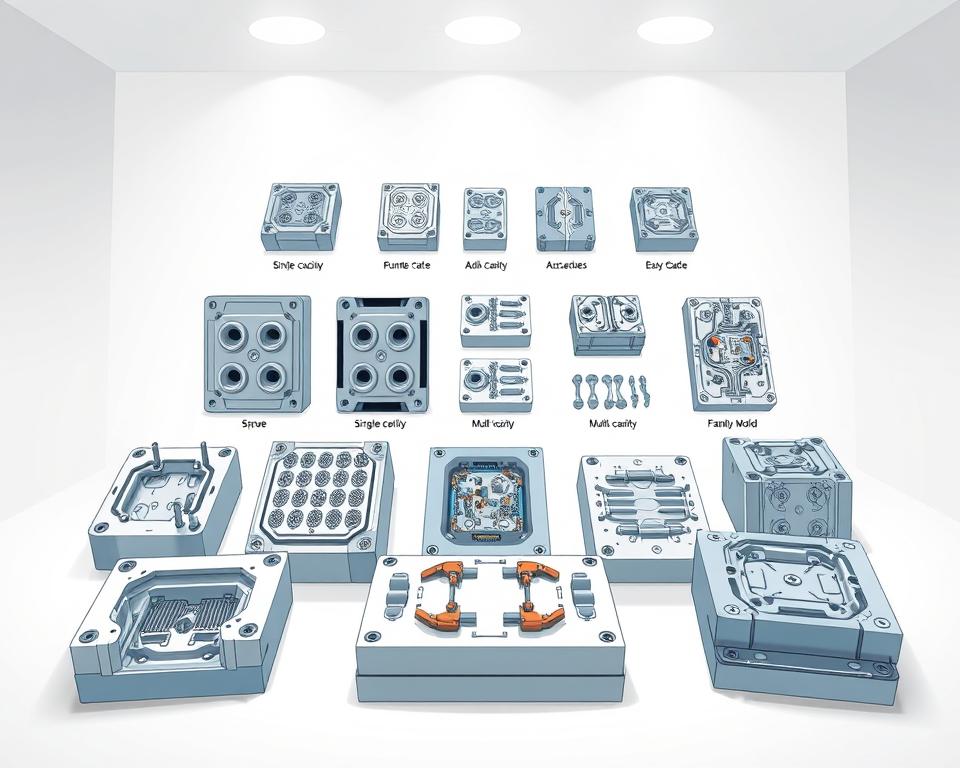
Finally, include the business details. What’s your forecasted annual volume (EAU)? They need clarity: is it 1,000 total shots or a million units per annum? Cavity count, tooling cost, and per-unit pricing depend on volume.

The Great Supplier Hunt

Now that your RFQ is pristine. who will you target? Online sourcing is global but crowded. It’s easy to find a supplier; it’s hard to find a good one.

You’ll probably kick off on Alibaba or Made-in-China. They offer breadth but not depth. Treat them as initial research tools, not final solutions. You’ll want to quickly build a list of maybe 10 to 15 companies that look promising.

But don’t stop there. Consider using a sourcing agent. True, they charge a fee. But a good one has a vetted network of factories they trust. They bridge language and cultural gaps. For a first-time project, this can be an invaluable safety net. It’s schedule protection.

Also consider trade fairs. If you have the travel budget, attending a major industry event like Chinaplas can be a game-changer. In-person meetings trump emails. Hold samples, talk shop, and gauge professionalism firsthand. Also, leverage the tried-and-true referral network. Tap your professional contacts. Peer endorsements carry huge weight.

Shortlisting Serious Suppliers

Now you have your long list of potential suppliers and you’ve sent out your beautiful RFQ package. the quotes will start trickling in. Some will be shockingly low, others surprisingly high. Your task is to filter them down to 2–3 credible finalists.

What’s the method? It’s a bit of an art and a science.

First, look at their communication. Is their turnaround swift and concise? Do they communicate effectively in English? The true litmus: are they raising smart queries? A great supplier will review your RFQ and come back with thoughts. For instance: “Draft angle here could improve mold release. Tolerance check via CMM adds cost—proceed?” This is a massive green flag. You know they know their stuff. A supplier who just says “No problem” to everything is a walking red flag.

Next, dig into their technical capabilities. Get their tooling inventory. Review examples of parts akin to your design. A small-gear shop won’t cut it for a big housing.

Finally, inspect the factory. You can’t skip this. As you vet staff, you must vet suppliers. You can either go yourself or, more practically, hire a third-party auditing firm in China to do it for you. They’ll send a local inspector to the factory for a day. They confirm legitimacy, audit ISO 9001, inspect equipment condition, and gauge the facility. It’s the best few hundred dollars you will ever spend on your project.

Transforming CAD into Real Parts

After picking your vendor, you agree on 50% deposit to start toolmaking and 50% balance after sample sign-off. Now the real fun begins.

The first thing you should get back after sending your payment is a DFM report. DFM means Design for Manufacturability. It’s their professional review of your CAD. They’ll flag thick sections prone to sink, sharp edges that stress, or insufficient draft. A detailed DFM shows expertise. It becomes a joint effort. You work with their engineers to refine the design for optimal production.

When you greenlight the DFM, they machine the mold. In a few weeks, you’ll see “T1 samples are on the way.” These are the very first parts off the new tool. It’s your first real test.

Expect T1s to need tweaks. This is normal! There will be tiny imperfections, a dimension that’s slightly out of spec, or a blemish on the surface. You’ll provide detailed feedback, they’ll make small adjustments (or “tweaks”) to the tool, and then they’ll send you T2 plastic mold company samples. You may repeat this cycle a few times. The key for you, as the project manager, is to have this iteration loop built into your timeline from the start.

Eventually, you will receive a part that is perfect. It meets every dimension, the finish is flawless, and it functions exactly as intended. This is your golden sample. You sign off, and it serves as the master quality reference.

Crossing the Finish Line

Receiving the golden sample seems like victory, but you’re not done. Now comes full-scale production. How do you maintain consistency for part 10,000?

Put a strong QC process in place. Typically, this means a pre-shipment audit. Use a third-party inspector again. For a few hundred dollars, they will go to the factory, randomly pull a statistically significant number of parts from your finished production run, and inspect them against your 2D drawing and the golden sample. You receive a full report with images and measurements. Once you sign off, you greenlight shipping and the last payment. This audit shields you from mass defects.

Don’t forget shipping details. Clarify your Incoterms. Are you on FOB terms, where they load and you take over? Or is it EXW (Ex Works), where you are responsible for picking it up from their factory door? These details have a big impact on your final landed cost.

Overseas sourcing is a marathon. It’s about building a relationship with your supplier. Treat them like a partner, not just a line item on a spreadsheet. Open dialogue, trust, and rigorous procedure deliver results. Certainly, it’s complex. But with this framework, it’s one you can absolutely nail, delivering the cost savings everyone wants without sacrificing your sanity—or the quality of your product. You’re ready.

Precious Metal Recycler: Customer Onboarding Process

Your Complete Sustainable Precious Metals Handbook

Were you aware that electronic waste throws away over $60 billion of precious metals annually? That eye-opening statistic shows how important recycling these metals really is. Recycling these metals benefits both the economy and the planet. Reclaiming gold, silver, platinum, and palladium helps lower pollution and preserve what’s left of our natural resources.

Firms like Dongsheng Metal Trading spearhead the movement toward greener recycling. They make sure those precious metals get reused rather than landfilled. Such a precious metal recycler model drives eco-friendly recycling and sustainable methods.

Major Highlights

  • Each year, e-waste discards over $60 billion in precious metals.
  • Recovering these metals cuts eco-impact and preserves resources.
  • Valuable metals include gold, silver, platinum, and palladium.
  • Eco-friendly recycling practices are vital for sustainable development.
  • Recycling experts like Dongsheng Metal Trading lead the industry.

Understanding Precious Metals and Their Value

Precious metals are rare, naturally occurring metallic elements that have captured the interest of investors and industries alike. Examples include gold, silver, platinum, and palladium, each prized for special traits. Notable traits are excellent conductivity, corrosion resistance, and rarity. Extracting and refining them uses up huge resources, so recycling becomes critical.

precious metal recycling

Market demand and each metal’s properties drive its value. Recycling precious metals plays a critical role in sustaining the supply chain. It lowers the ecological damage from mining. Advanced recycling can bring metals back to their initial quality. This preserves finite resources while yielding economic benefits.

What are Precious Metals?

Precious metals possess unique characteristics that make them desirable for a variety of applications. Their rarity and intrinsic properties are foundational to their economic significance. For example:

  • Gold: Prized for its shine and tarnish-proof nature.
  • Silver: Recognized for its versatility and high conductivity.
  • Platinum: Celebrated for its durability and catalytic properties.
  • Palladium: Increasingly popular in automotive and electronic applications.

Benefits of Precious Metal Recycling

Recycling these metals is now key to sustainable practices. It helps conserve these finite resources and significantly reduces the ecological footprint tied to traditional mining. Consider these advantages:

  • Reduction of environmental degradation caused by mining operations.
  • Energy needs are far lower than mining virgin ore.
  • Supporting a circular economy via material reuse.
  • Opportunity for profit by recovering valuable metals.

The Importance of Precious Metal Recycling

Recovering metals delivers big eco and financial wins. Pointing out these perks shows how to shrink our eco-impact. It also drives economic growth and stability.

Eco Advantages

Green gains from metal recycling are huge. Retrieving metals from scrap and electronics reduces landfill load. That cuts new mining needs and saves resources.

This approach minimizes the harmful effects of mining, such as habitat destruction and pollution. By prioritizing recycling, we work toward a greener tomorrow.

Economic Benefits

The economic benefits of recycling are equally compelling. Recovering metals cuts production expenses. This allows industries to use reclaimed metals instead of new ones.

This shift creates jobs in recycling facilities and boosts market stability as demand for recycled metals grows. Using these financial benefits, companies can improve profits. They also contribute to a greener economy.

How Precious Metals are Recycled

Recovering precious metals involves multiple steps for peak efficiency. Collection of e-waste, jewelry, and industrial scrap kicks off the process. Next comes sorting, cleaning, and testing to assess metal content and worth.

Recycling Workflow

This systematic approach is vital for effective metal recovery. Every phase aims to maximize precious-metal returns. Sorting separates metals by type and purity. Cleaning removes contaminants that could hinder recovery. Chemical analysis pinpoints metal levels to drive technique decisions.

Metal Separation Techniques

Cutting-edge processes boost precious-metal recovery. Thermal reduction, using high temperatures to separate metals from ores, is a key method. Molten refining and wet-chemistry steps handle finer separations. Firms such as Dongsheng Metal Trading apply these techniques to raise recovery and profits.

Types of Precious Metals that can be Recycled

Scrap recovery benefits both Earth and economy. Numerous precious metals lend themselves to recycling, serving both business and environment. It’s important for people and businesses to know which metals can be recycled.

Key Precious Metals

Gold, silver, and platinum stand out among precious metals. You’ll see them in rings, currency, and industrial parts. Gold’s high price and use make it a prime recycling target. Silver recycling is also key, used in photography, electronics, and solar panels.

Platinum, while rarer, finds value in catalytic converters.

Rare Metals in Electronics

Electronic precious metals offer unique recycling chances. Gadgets—from phones to laptops—house palladium, indium, and more. These metals are a treasure trove for recycling, reducing e-waste and providing essential materials.

The need to recycle these metals is critical. Industries aim to minimize waste and efficiently recycle resources.

Industry Benefits of Precious Metal Recovery

Precious metal recycling is essential for several key industries, allowing them to use valuable resources efficiently and sustainably. Electronics, which embeds metals in gadgets, gains the most. Aerospace and medical sectors also depend on these metals for critical components. Exploring how these industries recycle precious metals reveals the environmental and economic benefits.

Electronics Industry

Electronics spearheads recovery, given the metal content in phones and PCs. Fast tech progress fuels growing e-waste volumes. Thus, recycling gold, silver, and palladium efficiently becomes vital. That saves resources and cuts mining carbon footprints.

Businesses enhance recovery to align with green and zero-waste aims. Such a move upholds efforts to conserve and protect.

High-Tech Industries

Recycling precious metals matters for aerospace and healthcare, given their reliance on them. High-performance alloys are essential for manufacturing flight parts and medical devices due to their durability and resistance to corrosion. Recycling these metals can significantly lower material costs and comply with environmental regulations.

They recognize that recycling offsets material scarcity. It also enhances operational efficiency, making recycling a key strategy for sustainability.

Finding Precious Metal Recycling Companies

Finding trustworthy precious metal recycling companies is key to recycling effectively. Be sure to quiz them on their methods. Knowing their pricing and processing methods can greatly affect your experience. Service comparisons help you pick the best recycler.

Key Questions for Recyclers

  • Which recovery certifications does your company have?
  • Can you explain your processing methods for different metals?
  • What yields can you deliver for gold, silver, and more?
  • What is your pricing structure and are there extra charges?
  • Can you share feedback from past customers?

Evaluating Offers

Comparing recyclers’ offerings is crucial when choosing one. Create a table to compare key factors such as:

Company Name Recovery Rate (%) Processing Fee ($) Turnaround Time (Days)
Recycling Co. A 95 50 7
Recycling Co. B 90 45 5
Recycling Co. C 92 55 10

Side-by-side comparisons help pinpoint the ideal recycler. It guarantees maximum value and compliance.

Precious Metal Recycling: Your Eco-Friendly Guide

Understanding how recyclers operate is key for those interested in precious metal recycling. They oversee everything from scrap pickup to refining. This ensures maximum efficiency and value from metals.

How Recyclers Operate

Recyclers use advanced methods for metal recycling, including testing, separation, and refining. They start by collecting metal scraps from various sources. Then, they use sophisticated techniques to separate different metals. Next, they refine these metals to extract precious elements like gold, silver, and platinum.

It optimizes yield while advancing environmental goals. It’s fundamental to building a sustainable future.

Finding Your Perfect Recycling Partner

When picking a recycler, several factors are important. First, look at their environmental practices. Now more than ever, green commitment is crucial. Next, review their service range—from pickup to refining.

Your budget will influence your choice. Get quotes to compare different options. Companies like Dongsheng Metal Trading offer customized solutions for various industries. They remain a trusted partner for targeted recovery.

The Role of Metal Recycling Facilities

Recycling centers play a key role in sustainability and waste control. It encompasses various recycling centers, each tailored to specific metal recovery needs. Understanding these facilities improves access to recyclers and their services. This benefits both businesses and the environment.

Facility Categories

There’s a broad spectrum of recycling operations. Some focus on precious metals, while others handle a wide range of materials. Here are a few common types:

  • Metal Scrap Yards: Typically focus on general metal waste, including ferrous and non-ferrous metals.
  • Specialized firms recover gold, silver, and platinum with advanced refining.
  • Electronics recyclers extract metals from old gadgets.

Facility Access Factors

Proximity to recyclers cuts logistical hurdles. Businesses must consider the logistics of transporting materials. Here are some factors that influence access:

Factor Description
Proximity Nearby recyclers reduce haul time and expense.
Partnerships Connections with nearby facilities speed up recycling.
Service Range Knowing each facility’s offerings guides your choice.

Choosing appropriate centers and easy access drives recovery efficiency.

Electronic Waste Recycling and Precious Metals

E-waste poses a major ecological challenge. Many e-waste items hold recoverable precious metals. It shows why we should treat e-waste as treasure.

How Electronics Contain Precious Metals

Devices often contain bits of gold, silver, and palladium. You’ll find them in components such as:

  • Circuit boards
  • Connectors and ports
  • Capacitors and resistors
  • Battery terminals

Even everyday items like smartphones, laptops, and TVs are filled with these metals. By recycling, we retrieve and reuse these valuable elements.

The Importance of E-Waste Recycling

Recycling electronics protects nature and recovers resources. It reduces landfill waste and saves natural resources. Key perks include:

  • It minimizes environmental risks from improper disposal
  • It reduces CO₂ output via green recycling methods
  • It fuels a circular economy by feeding materials back into manufacturing

Championing electronics recycling fosters responsible resource use. It lays the groundwork for a greener future.

What’s Next in Metal Recycling?

Metal recycling is evolving, spurred by tech advances and green initiatives. Facing resource limits, recyclers embrace new methods. Adopting fresh techniques, they’re shaping tomorrow’s recycling.

Green Recycling Trends

Current trends in sustainable recycling focus on reducing waste and minimizing environmental impact. Firms now use bio-packaging and low-energy methods. Such moves match worldwide green goals and nudge industries to be more eco-responsible.

Innovations in Precious Metal Recovery

Breakthroughs in recovery boost metal recycling yields. Robotic sorting and chemical extraction raise recovery. They ramp up yields and shrink eco-footprints, advancing metal recycling.

How to Start Your Own Precious Metal Recycling Business

Starting a precious metal recycling business demands meticulous planning and a deep grasp of operational and market dynamics. Entrepreneurs must outline key steps to build a strong foundation and adhere to industry regulations. This includes conducting extensive market research and identifying target clients. Securing licenses and legal compliance is crucial for long-term viability.

Steps to Establishing a Business

To launch your recycling venture, follow these steps:

  1. Analyze market demand and competitor landscape.
  2. Draft a strategy blueprint covering targets and methods.
  3. Invest in equipment tailored to your process needs.
  4. Secure funding through loans or investments.
  5. Get all required permits and licenses.
  6. Implement a marketing strategy to draw in customers.

Compliance and Certifications

Understanding legal aspects when starting a precious metal recycling business is critical. Meeting environmental rules protects your operation and the planet. Must-know compliance points:

  • Securing business certification from relevant authorities.
  • Ensuring full compliance with disposal and recycling laws.
  • Ensuring all employees are trained on safety protocols and procedures.

To Summarize

Precious metal recycling is essential for preserving natural resources and improving environmental health. It empowers all of us to reduce environmental harm from waste. Recovered metals curb mining and fuel green-job growth in recycling.

Beyond green gains, recycling yields financial perks. Partnering with companies like Dongsheng Metal Trading ensures a commitment to eco-friendly practices. That partnership bolsters circular models for recyclers and buyers alike.

The journey to a sustainable future depends on collective action in recycling precious metals. Raising awareness fosters mindful use and eco stewardship. Implementing these measures supports us today and safeguards future generations.

Retrofitting SZ Stranding Lines for Smart Factories

State-of-the-Art Home Fiber Fiber Cable Assembly Line Gear Solutions

Ever pondered the impact of high-speed internet cable demand on FTTH cable production technology? With our need for fast, reliable connectivity rising, industry leaders like HONG KAI and Nextrom are revolutionizing the manufacturing landscape. They’re rolling out next-generation cable equipment to boost production efficiency. Not only does this shift slash operational costs but also enhances high-speed internet cable quality, satisfying today’s market standards.

Here, we’ll take a look at the groundbreaking equipment and methods transforming Fiber cable sheathing line manufacturing. Discover how these innovations are ready to transform the fiber optic sector.

Key Conclusions

  • Grasping the importance of FTTH cable production line equipment in high-speed internet access.
  • Examining the significant role of companies like HONG KAI and Nextrom in driving technology innovation.
  • Discovering the benefits of adopting cutting-edge cable equipment in manufacturing processes.
  • Recognizing how enhanced cable quality is critical for meeting consumer demands.
  • Appreciating the importance of production efficiency in a competitive market.

Grasping FTTH Cable Production Line Technology

The creation of fiber optic cables, primarily for FTTH technology, involves a complex blend of advanced tools and exact methods. Modern production of these cables incorporates various components that improve efficiency and quality. Knowing these elements illuminates the progress toward more advanced production systems.

Core Components of Contemporary Fiber Optic Cable Manufacturing

Current fiber optic cable making includes:

  • Extrusion systems for coating and insulating fibers
  • Fiber tension control mechanisms to preserve optimal fiber quality
  • Automated operations that simplify production processes

These components work together to produce a dependable and durable product. For instance, state-of-the-art temperature control systems ensure consistent conditions. Automated adjustments also reduce human error.

Evolution from Traditional to Advanced Production Systems

The shift from traditional to automated systems marks a major leap in technology and methods. Earlier, labor-intensive methods have been replaced by robotic systems. This transition has resulted in:

  1. Higher productivity and shorter production times
  2. Reduced waste due to precise material handling
  3. Improved product quality thanks to tighter quality control

Key Technologies Driving Industry Innovation

Several core technologies are propelling innovation in the fiber optic field. These include:

  • Precision temperature control that monitors and maintains optimal production conditions
  • Automatic settings that adapt to changing production requirements
  • Advanced monitoring systems providing real-time feedback on production quality

Thanks to these technologies, manufacturers can ensure their fiber optic products meet the stringent standards required for FTTH applications.

Essential Equipment for Fiber Secondary Coating Line Operations

In the realm of fiber optic cable manufacturing, the fiber secondary coating line is crucial. It safeguards fiber optics through efficient coating processes. With technology advancing, equipping with the latest equipment is vital for improved production and reliability.

High-Speed Secondary Coating Processes

Advances in secondary coating processes have dramatically improved manufacturing efficiency. Contemporary systems can now handle increased volumes, meeting rising demand. They apply coatings that boost durability and performance, resulting in superior fiber cable products.

Single and Dual Layer Coating Applications

It’s essential to differentiate between single and dual layer coatings in the fiber secondary coating line. Single-layer coatings provide basic protection, while dual-layer coatings add extra resistance to environmental stressors. Both methods employ high-speed processes for even coating application, ensuring fiber optics last longer in various conditions.

Temperature Control and Curing Systems

Temperature control systems are vital for curing coatings during production. They ensure the right conditions for adhesive substances in the fiber secondary coating line. Proper temperature management allows for ideal curing times and conditions, resulting in enhanced quality fibers ready for real-world use.

Fiber Draw Tower and Optical Preform Processing

The fiber draw tower is crucial in optical preform processing and cable manufacturing. It pulls the preform into thin fiber strands, guaranteeing superior fibers with excellent clarity and strength. The tower’s environment is carefully controlled to achieve precise dimensions and physical properties.

Optical preforms are the foundation of this process, defining the fiber’s final characteristics. The preform’s quality affects light transmission and durability. Advances in preform manufacturing have improved Fibers in stainless steel tube manufacturing efficiency.

Through advanced engineering and technology, the fiber draw tower and preform processing continue to evolve, addressing the growing demand for high-performance fiber optic cables. Quality at the preform level yields better fiber optics, enhancing telecommunications and networking services.

Advanced SZ Stranding Line Technology for Cable Assembly

The SZ stranding line technology marks a major milestone in cable assembly, particularly for fiber optic cables. It ensures precise stranding, vital for crafting top-tier cables that meet strict standards.

Precision Stranding Equipment Features

The core of the SZ stranding line is its precision stranding equipment, which enhances cable durability and reliability. Its notable attributes include:

  • Sophisticated control systems that tweak settings in real-time for peak performance.
  • High-speed operation that boosts production efficiency.
  • Modular design for customization based on production needs.

Automated Tension Control Systems

Automated tension control systems are essential for maintaining consistency in stranding. They:

  • Guarantee uniform fiber tension and strength distribution along the cable.
  • Lower defect rates, cutting down on waste and production costs.
  • Enable seamless integration of diverse materials, improving flexibility and performance.

Integration with Fiber Cable Sheathing Line

Integrating the SZ stranding line with the fiber cable sheathing line elevates production efficiency. This synergy enables for:

  • Efficient workflows by minimizing manual intervention.
  • Consistent quality throughout the manufacturing process.
  • Higher throughput, addressing the growing need for superior cables.

Fiber Coloring Machine and Identification Systems

The fiber coloring machine is vital in telecom fiber cable production. It guarantees each cable is identifiable and meets color coding standards. Advanced technology enables quick and precise color application, improving manufacturing efficiency.

High-Speed Coloring Technology

State-of-the-art machines use high-speed technology for uniform and fast color application. This cuts production time without compromising quality. The machines’ precision ensures accurate color application, helping adherence to strict color coding standards, crucial for smooth installation and maintenance.

Color Coding Standards for Telecom Fiber Cables

Color coding standards direct manufacturers and technicians in the telecom industry. They organize fibers for easy identification, reducing installation and troubleshooting errors. Each color denotes a specific function or fiber type, ensuring clarity in complex networks.

Adhering to these standards, supported by fiber coloring machines, enhances safety and efficiency—a cornerstone of telecom operations.

Quality Control in Fiber Identification

Quality control is critical in fiber identification systems to meet market standards. Regular inspections during production check color accuracy and coding adherence. Sophisticated traceability systems track fibers, improving product reliability.

This systematic quality control approach yields superior telecom fiber cable performance, delighting both manufacturers and end users.

Specialized Solutions for Fibers in Metal Tube Production

The production of fibers in metal tubes is a key domain in modern cable solutions. This method enhances durability and environmental resistance of optical cables, making them ideal for harsh conditions. Expert techniques encase fibers in metal, shielding them from damage and extreme environments.

In outdoor settings, where cables face tough elements, these solutions prove their worth. Manufacturers have developed advanced methods to fortify and ensure cable reliability, addressing the growing demand for durable communication systems. Precision SZ stranding line engineering and premium materials are integral in this process.

Employing specialized manufacturing methods ensures cables remain intact and functional across industries. Companies focus on innovative designs and strong materials to create top-tier optical cables for diverse environments and applications.

Fiber Ribbon Line and Compact Fiber Unit Manufacturing

The manufacture of fiber ribbons and compact fiber units is critical for modern telecommunication networks. This section highlights the latest equipment and designs for these essential components. Innovators aim to meet the rising demand for high-density cable solutions in data centers.

Advanced Fiber Ribbon Line Equipment

Cutting-edge fiber ribbon line equipment enables efficient production of high-quality optical fibers. It integrates the latest technology to produce compact fiber units with top performance, minimizing waste and boosting throughput to suit various needs.

Compact Fiber Unit Design and Production

Compact fiber units are designed for space efficiency without sacrificing performance. Innovative methods shape these units for easy installation in diverse settings. These units are key for data centers, addressing the need for dense cables that save space and accelerate data transfer.

High-Density Cable Solutions for Data Centers

High-density cable solutions are essential for modern data centers, allowing faster data transfer and greater bandwidth. These solutions often incorporate fiber ribbons, produced through advanced processes. As data usage surges, these cables underpin robust infrastructure to meet today’s digital demands.

Optimizing High-Speed Internet Cables Production

Efficient production of high-speed internet cables is essential for today’s networks. The quality of FTTH cabling systems determines reliable connections. State-of-the-art manufacturing aims to improve performance while maintaining high standards.

Cabling Systems for FTTH Applications

FTTH cabling systems feature designs that enhance signal transmission and cable longevity. They employ premium materials and cutting-edge engineering to deliver fast, dependable internet for users.

Quality Assurance in Fiber Pulling Process

The fiber pulling process is critical in cable production, requiring precise attention. Quality checks avoid damage and preserve signal integrity. Integrated monitoring systems ensure cable reliability and facilitate seamless installation.

Meeting Industry Standards for Optical Fiber Drawing

Adhering to industry standards in optical fiber drawing is crucial for manufacturers. It secures production safety and cable reliability. Enhancing techniques and materials helps meet these standards, resulting in superior cabling systems.

Bringing It All Together

The evolution of FTTH cable production lines has revolutionized telecommunications, enabling manufacturers to produce high-quality, reliable cables for today’s internet demands. As technology progresses, adopting advanced manufacturing solutions is paramount to enhance production efficiency while upholding top standards.

With the ever-increasing need for robust infrastructure, companies must adopt innovative methods in their FTTH cable production. These modern approaches enhance cable reliability and support sustainable manufacturing in the fiber optic sector.

To stay competitive in the fiber optic cable industry, embracing these advanced solutions is critical. The future of cable production hinges on such innovations, ensuring telecommunications infrastructure can handle the growing global internet demands.

Related: Advances in Polymer Coatings for Fiber Secondary Coating Lines

A Comprehensive Guide to Leading EV Charger Manufacturers

Renowned EV Charging Cable Manufacturers for Your EV

EV adoption is booming, with the demand for reliable and fast charging solutions surging. Today, top brands have been at the vanguard of this change, providing high-quality charging infrastructure. Southwire, for instance, entered the market in 2014 and excels, boasting over 1000 five-star reviews and a 75-year legacy in electrical construction.

The upswing in electric vehicle adoption drives demand for robust, rapid, and safe EV Charger Manufacturers. Top manufacturers are developing to meet these evolving needs, offering solutions that boost the overall charging experience.

Grasping the distinctions between various charging solutions matters for making informed decisions. Quality charging infrastructure directly influences vehicle performance and user experience.

Significant Points

  • Top manufacturers offer high-quality charging cables for improved durability and safety.
  • Growing EV adoption fuels demand for fast, reliable infrastructure.
  • Industry leaders develop cutting-edge products for EV drivers.
  • High-grade cables improve energy transfer and driving range.
  • Buying premium chargers pays off over time.

EV Charger Manufacturers

The Critical Role of Premium EV Charging Cables

With EVs on the rise, the value of premium EV charging cables is immense. The performance, security, and dependability of electric vehicle charging systems hinge upon the quality of the charging cables used.

Advancements in EV Charging

Electric vehicle charging technology has undergone significant advancements in recent years, with a priority on faster charging speeds and improved safety features. Today’s EV charging cables are built for these requirements, featuring high-grade materials and advanced designs to minimize power loss and maximize transfer rates.

Quality’s Impact on EV Charging

Premium cables enhance both safety and functionality in EV systems. Durable features, such as all-weather performance and flexibility in extreme temperatures, ensure reliable operation across various environments. Moreover, regulatory compliance and adherence to industry guidelines are essential in guaranteeing safe operation.

Key Features Benefits
Superior materials and construction Reduced energy waste
Robust durability All-weather reliability
Regulatory compliance Certified safety
Maintainability Repairable design for longevity

Our high-performance cable solutions, such as those offered by Aichie Tech Electronics, are tested for quality and compliance in The Cable Lab. With repairable Portable EV Charger, repairable designs reduce lifetime costs, lowering environmental impact.

Premier Chinese EV Cable Suppliers

A surge of cable makers in China supports the EV boom. These companies are crucial in supporting the expanding electric vehicle (EV) market, offering premium charging cables designed for different applications.

Wottz – Pioneers in EV Cables Since 2014

Wottz has been a leading cable manufacturer since 2014. They offer a range of cables that cover Mode 1–4 charging standards, from Mode 1, 2, 3, and DC Fast Charging (Mode 4).

Aichie Tech Electronics’ 75-Year Legacy

Aichie Tech Electronics leverages 75 years of electrical expertise in its EV cables. Their products are built for residential and commercial applications.

Other Notable Manufacturers in the Market

Beyond industry leaders like Wottz and Southwire, other manufacturers are making their mark by focusing on specific automotive applications or technological innovations in electric vehicle charging. These include specialists in Type 1 (J1772) and Type 2 (Mennekes) connectors, as well as companies developing cables with enhanced flexibility and resistance to environmental factors.

Types of EV Charging Cables Explained

As electric vehicles become increasingly popular, understanding the various types of EV Charging Cables is crucial for optimal charging experiences. Different cables suit different charging needs. The diversity in EV charging infrastructure necessitates a closer look at the cable options.

Type 1 vs Type 2 Explained

Type1 and Type2 charging cables are two common standards used for EV charging. Type 1, also known as SAE J1772, is North American standard, while Type 2, or Mennekes, is the standard in Europe. The choice between these cables depends on the vehicle’s connector type and the charging station’s compatibility. Type 2 cables often support higher charging capacities, making them ideal for speed.

Level 2 & Fast DC Cables

Level2 charging cables offer faster charging than Level1, using 240V AC power to deliver up to 19.2 kW of power. DC Fast Charging cables, on the other hand, provide rapid charging by converting AC power to DC within the charging station, delivering rapid fill-ups. These cables are essential for long-distance EV travel, letting EVs charge in minutes.

Granny Chargers vs Tethered Units

Granny chargers plug into home outlets for emergency use. Tethered cables are attached permanently, providing a convenient but less flexible charging solution. The choice comes down to flexibility vs convenience.

When selecting an EV charging cable, factors such as cable length, charging speed, and compatibility with the vehicle are crucial. For instance, portable charging cables range from simple L1 cords to full L2 kits. Vehicle-to-load (V2L) cables let EVs act as mobile power banks.

  • Portable charging cables offer flexibility, with options ranging from basic to more robust Level2 solutions.
  • Fixed cables add convenience, removing cable management tasks.
  • Cable length is a critical consideration, with options ranging from 5-meter standard cables to 50-meter extended cables.

Attributes of Premium EV Cables

Premium cables stand out for durability, safety, and performance. These features are vital to safe, efficient charging.

All-Weather Durability

Cables must withstand rain, sun, and cold. Manufacturers like Wottz and Southwire use RoHS-compliant recyclable compounds, ensuring they perform in harsh climates. Their serviceable design facilitates easy maintenance and promotes recycling.

Flexibility and Ease of Use

Flexibility and ease of use are also critical factors. High-quality EV charging cables are built for easy handling without sacrificing strength. This flexibility is combined with rugged construction for lasting performance.

Regulatory Approvals

Approved safety marks ensure reliable performance. They ensure their products meet or exceed standards such as IEC62196 for connectors and UL2594 in North America. Independent labs verify safety, toughness, and weatherproofing.

Certification Description Region
IEC62196 Connector safety standards International
UL2594 Standard for electric vehicle supply equipment North America
ROHS Restriction of hazardous substances International

Emphasizing these attributes yields cables that are safe, durable, and user-friendly.

Cutting-Edge EV Cable Innovations

The latest developments in EV charging cable technology are revolutionizing the way we charge our vehicles, with a focus on ultra-fast charging, improved signal integrity, and eco-friendly materials.

Liquid Cooling for Rapid EV Charging

Liquid-cooled charging cables are emerging as a key technology for ultra-fast charging, enabling electric vehicles to charge at significantly higher speeds without overheating.

Signal-Boosting Contact Designs

Hyperboloid contacts are being integrated into EV charging cables to enhance signal integrity, ensuring reliable and efficient data transfer during the charging process.

Green Charging Cable Designs

Leading manufacturers are prioritizing sustainability in their cable designs, using recyclable materials and eco-friendly compounds that reduce environmental impact. For instance, companies like Aichie Tech Electronics and Wottz are embracing repairable designs and strict standards to foster reuse.

The industry’s shift towards sustainability includes the use of TPU jackets, avoidance of hazardous substances, and the development of take-back programs for end-of-life disassembly and material recovery.

How to Select the Right EV Charging Cable for Your Vehicle

Choosing the right EV charging cable is crucial for efficient and safe charging. To make an informed decision, consider several key factors.

Matching Cable to Vehicle

Verify your car’s inlet and cable plug match. Your vehicle’s onboard charger capacity sets the upper limit for AC power.

Length Considerations

Choose a cable length that suits your charging needs. A longer cable adds reach at the cost of extra weight.

Considering Power Requirements and Charging Speed

Ensure cable amperage aligns with charger and car. Standard Level 2 home charging operates at 7.2 kW, but some vehicles support up to 19.2 kW with appropriate electrical service.

By considering these factors, you can select an EV charging cable that meets your needs and enhances your overall charging experience.

Final Thoughts on Premium EV Cables

With EV growth unabated, premium cables are essential. Investing in premium EV charging cables from established manufacturers like Wottz and Aichie Tech Electronics ensures superior durability and lower lifetime costs. Their serviceable designs enable repairs over replacements to cut waste. This approach supports eco-friendly EV use.

Selecting top-grade infrastructure prepares you for next-gen charging.