February 16, 2026

Emergency Grease Trap Replacement Inglewood Services

Grease Cleaning Pros offers coast-to-coast service to commercial kitchens looking for Grease Trap Repair along with ongoing maintenance. Our team of licensed techs pairs precision monitoring with hands-on service. They handle everything from scheduled cleaning to advanced repairs as well as system installations.

Explore More About Grease Trap Pumping
Check Out Grease Trap Cleaning
See Details About Grease Trap Cleaning

Smart handling of FOG (fats, oils, and grease) reduces the chance of pipe failures that may take offline a kitchen for days at a time. Grease Cleaning Pros provides practical upkeep , scheduled on a 30–90 day cycle based on volume. They also run sustainable options for used cooking-oil pickup along with reclamation into biodiesel.

Our approach is rooted in construction-industry and commercial-plumbing best practices. It aligns with municipal health and environmental requirements while minimizing downtime. For operators seeking dependable performance and compliance, Grease Cleaning Pros delivers professional repairs, installations, and consulting. Which keeps kitchens running smoothly.

Why Grease Trap Repair Is Critical For Commercial Kitchens

Reliable interceptor repair is essential to maintain kitchen productivity. Issues arise once fats, oils & grease rise above twenty-five percent of the trap’s capacity. Fast response from experienced teams ensures flow gets restored, avoiding costly downtime.

Keeping Operations Moving And Avoiding Costly Downtime

Blocked drains and sluggish sinks can indicate system failure. Ignoring these signals can lead to short-term shutdowns and expensive repairs. Specialist grease trap service teams provide fast remedies, so that operations resume fast.

Regular maintenance prevents clogs and malfunctions. Planned service visits and inspections minimize the chances of surprise failures, cutting costly emergency calls.

Meeting Local Health And Environmental Code Requirements

Local regulations call for documented cleaning schedules and properly sized interceptors. Complete records kept by licensed techs are critical for inspections and compliance. Measuring FOG levels over time ensures kitchens meet environmental standards.

Adhering to service standards reduces exposure and safeguards the business reputation. Correct servicing speeds up permit renewals and approvals and health department inspections.
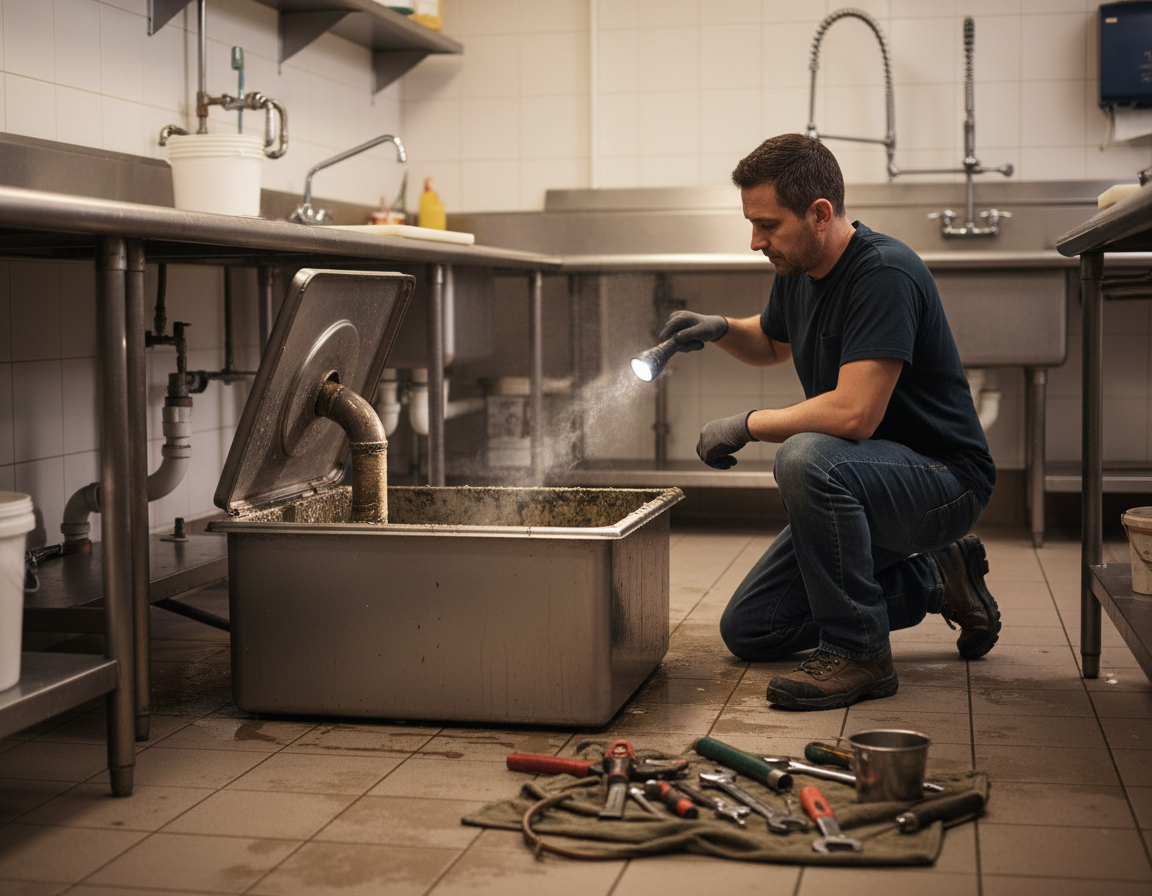
Grease Trap Cleaning & Pumping

Environmental And Oil Recycling Benefits

Collecting and recycling used cooking oil helps prevent water pollution and lowers carbon emissions. It’s often turned into biodiesel, animal feed, and everyday products.

Vendors who offer grease interceptor repair along with oil collection programs help kitchens reduce waste. They recover value and hit sustainability targets, transforming waste-handling costs into environmental benefits.

Risk Likely Impact Preventive Step
FOG buildup above 25% System failure, sluggish drains, odors Scheduled commercial grease trap maintenance plus monitoring
Missing cleaning records Fines, failed inspections Documented kitchen grease trap maintenance by licensed technicians
Improper disposal of used oil Environmental harm and enforcement action Choose grease trap cleaning services that provide oil recycling
Equipment damage or leaks Expensive repairs, downtime On-time interceptor repair plus routine inspections

Typical Problems That Require Grease Trap Repair

Grease interceptors often hide problems until they cause a serious mess. Catching warning signs early helps keep kitchens operating smoothly and sidesteps high-cost emergency fixes. In this section, we cover common signs, structural and mechanical issues, and the costs of putting off repairs.

Failure Signs To Watch For

Persistent bad odors near the trap/interceptor commonly point to grease accumulation. Sewer odors indicate trapped solids and sludge and anaerobic breakdown.

Sluggish drains, several fixtures backing up, or gurgling from toilets while other fixtures run suggest a deeper buildup. Persistent clogs that return after basic snaking often indicate grease that has hardened downstream.

Visible grease in the interceptor’s outlet, water pooling above the unit, and constantly greasy floors even after cleaning are clear red flags. These indicators call for immediate grease trap repair.

Structural And Mechanical Issues

Rusted lids and worn covers and broken baffles reduce separation efficiency. Systems that are undersized or were installed poorly let oils pass through into the sewer line.

Accumulated solids and grease that has hardened can create blockages in downstream pipes. Clearing years of accumulated buildup sometimes requires high-pressure hydro jetting at roughly 4,000 PSI to restore flow.

Licensed grease-trap technicians assess structural damage and suggest focused fixes. Choosing reliable grease trap specialists ensures repairs comply with local codes and keep kitchen operations protected.

Consequences Of Putting Off Repairs

Ignoring ongoing problems can grow into main-line blockages and sewer backups. Emergency closures for repair work hurt sales and disrupt staffing.

Enforcement penalties and brand damage often follow incidents when kitchens violate health/environmental regulations. Service becomes more complicated and costly as FOG hardens and pushes through piping.

Routine grease trap cleaning services and timely grease trap repair reduce the likelihood of high-cost emergency calls. Putting money into scheduled maintenance with licensed grease-trap techs reduces downtime and avoids major plumbing campaigns.

Issue Typical Sign Standard Fix
Odors and sink odors Persistent sewer/rotten odor near the trap Pump-out, deep clean, and odor neutralization performed by licensed grease trap technicians
Slow draining and backups Multiple drains slow, or toilets gurgle Hydro jetting plus pipe descaling; then scheduled grease trap cleaning services
Grease visible at outlet Floating grease, pooling water above interceptor Separator tune-up, baffle repair, or replacement handled by reliable grease trap specialists
Physical damage Rusted lids, broken or missing baffles Part replacement, reseating, or system upgrade performed by licensed grease trap technicians
Severe pipeline buildup Repeat clogs after snaking and hardened grease downstream High-pressure hydro jetting and a longer-term maintenance plan provided by grease trap repair professionals

Grease Trap Repair Process

Successful grease trap repair begins with a complete assessment. Technicians typically visually check the lids, baffles, and piping. They measure FOG levels in the trap and check downstream piping for buildup and restriction. Monitoring tools track grease accumulation, helping ensure service is timely.

Testing and diagnostics identify the true causes, like a sizing mismatch or structural damage. This insight determines whether a simple repair or a larger intervention is needed. Licensed professionals document findings with reports and photos for owners and authorities.

Repair methods and best practices

Typical repairs often include pump-out and cleaning, replacing worn parts, and sealing and welding corroded points. Hydro-jetting is often used to remove solidified grease in pipes. Each method is designed to bring back flow and efficiency.

Best-practice steps typically include complying with local codes and keeping thorough records. Planning repairs outside peak hours minimizes disruption. Pairing repairs with preventive cleaning plus monitoring minimizes repeat call-backs. Relying on licensed technicians supports compliance with standards and helps protect permitting status.

When replacement or professional installation is needed

Replacement is recommended for major structural damage, including serious corrosion or baffles that are compromised. It’s also required when the system is too small or when repeated fixes don’t hold. At that point, grease interceptor repair may not suffice.

Proper professional installation makes sure correct sizing and placement. Low-volume kitchens need 20–50 gallon traps, but high-volume operations typically require 500–5,000 gallon interceptors. Using qualified crews for installation helps prevent future problems and keeps you compliant.

Issue Typical Repair When Replacement Is Recommended
Clogged outlet or pipe buildup Hydro jetting, targeted cleaning Repeated clogs from downstream buildup despite cleaning
Broken baffles or rusted baffles Baffle replacement and welding seals Extensive structural corrosion affecting separation
Damaged lids and seals Replacing seals and repairing lids Cracks in the sump that compromise integrity
Undersized unit relative to kitchen volume Short-term maintenance plus monitoring Upgrading to a larger interceptor with professional installation
Continual FOG accumulation More frequent cleaning and monitoring systems Move to a correctly sized grease interceptor

Operators should consider long-range reliability when choosing between repairs and upgrades. For complex sites, requesting both repair and installation quotes is wise. Certified teams provide complete interceptor management and service plans for smooth operations.

Maintenance, Cleaning, And Preventive Services Provided By Grease Cleaning Pros

Consistent maintenance is critical to keep operations efficient and avoiding expensive backups. Grease Cleaning Pros creates maintenance plans that match each facility’s specific needs. These schedules help operators stay aligned with local requirements, lower odor complaints, and avoid emergency call-outs.

Regular Cleaning Schedules And Custom Maintenance Plans

Recommended frequency for pump-outs and cleanouts ranges from 30 to 90 days, based on kitchen volume. High-volume fry kitchens typically require monthly service, whereas smaller cafes may only need service quarterly.

Grease Cleaning Pros assesses grease/FOG output, considers kitchen volume, and consults local codes to create custom schedules. Every plan includes regular pump-outs, inspection summaries, compliance documentation, and an emergency-response option.

Advanced Cleaning Techniques And Tools

Technicians use vacuum and pump trucks, along with hydro jetting up to 4,000 PSI, to clear pipe walls and internal trap surfaces. These methods support service while open with minimal disruption.

Digital monitoring and tracking systems record FOG levels and maintenance history. This visibility reduces overfilling, lengthens equipment life, and maintains reliable day-to-day operations.

Additional Services: Used Oil Collection And Sustainability Programs

Used cooking oil collection moves oil into biodiesel and other reuse channels. Clients can earn rebates or earnings from oil that’s headed for recycling.

Eco programs center on environmentally friendly disposal, lower greenhouse gas emissions, and best practices to minimize FOG at the source level. These efforts complement affordable grease trap solutions and routine maintenance to reduce lifetime costs.

Service Option Frequency Main Benefits Ideal For
Scheduled Pump-Outs 30–90 days Prevents backups and meets regulations Restaurants and cafeterias
Hydro Jetting And Vacuuming As needed or during service Removes buildup and restores flow High-volume kitchens
FOG Monitoring (Digital) Continuous monitoring or periodic checks Predictive maintenance, compliance logs Multi-location operations
Used Cooking Oil Collection Weekly-to-monthly Recycling revenue, lower emissions Any facility producing cooking oil
Customized Maintenance Plans Ongoing Custom schedule and emergency support Operators seeking cost-effective grease trap solutions

Pairing professional grease trap cleaning services with planned maintenance reduces downtime and helps keep kitchens compliant. Regular attention to commercial and kitchen grease trap maintenance helps protect equipment and supports sustainability goals.

Choosing Reliable Grease Trap Specialists And Affordable Options

Picking the right provider makes easier maintenance and emergency handling. Seek companies with verifiable credentials and real-world experience with food-service systems and large interceptors. That mix makes sure fast, compliant service when time is of the essence.

Key Things To Look For In A Service Provider

Confirm the provider is licensed and insured before you schedule service. Licensed professionals help ensure compliance with local health & environmental codes. Obtain service documentation that show regular monitoring, hydro-jetting, and up-to-date equipment.

Check availability for nights and weekends and emergency support. A provider that communicates clearly and site-specific consultations keeps downtime low and protects opening schedules.

Cost-Saving Strategies And Value-Driven Options

Preventative maintenance meaningfully lowers emergency spending. Regular pump-outs and tracked schedules reduce the risk of main-line clogs and costly shutdowns. Bundled programs for repair, cleaning, and oil collection can be more economical than one-off calls.

Recycling used oil can offset service costs. Work with teams that show savings and offer clear billing so you can track ROI.

Case Examples And Proven Results

Fast resolutions to critical issues make sure restaurants open on time. Service reports detail rapid clearing of backups and on-time interceptor replacements, safeguarding day-to-day operations during openings and inspections.

Infinity Group Construction showcases major gains from proactive interceptor management. Grease Cleaning Pros employs precision monitoring systems, professional installation, hydro-jetting, and used-oil recycling. They provide affordable solutions with proven results.

Conclusion

Reliable Grease Trap Repair and routine cleaning services are vital for food-service kitchens. They help prevent fines and forced shutdowns. Thorough diagnostics, timely repairs, and the right sizing are key. High-level cleaning methods including hydro jetting also play a vital role.

Maintaining a 30–90 day service schedule according to kitchen volume is important. This helps reduce clogs and costly downtime. This keeps smooth day-to-day operations.

Grease Cleaning Pros delivers complete support, from assessment and repair to installation plus hydro jetting. They also provide precision monitoring and used cooking oil collection. Their method advances sustainability through recycling oil into biodiesel, lowering greenhouse gas emissions.

Selecting licensed and reliable grease trap specialists is wise. They deliver documented service history and support for compliance. Package programs and clear pricing make grease trap solutions affordable. This helps protect operations, the environment, and profitability.

Septic Pumping Sylmar Solutions for Properties with Steel Tanks

In Sylmar, Septic Services of LA is the proven option for certified and insured septic service. We specialize in septic tank pumping and septic tank cleaning in Sylmar. We work to clear out floating solids and sludge, ensuring your system runs smoothly and stays safe. Our crew brings up-to-date pump trucks, heavy-duty vacuum hoses, and sewer jetting equipment. We carry out detailed inspections to deliver superior Sylmar septic pumping results. Our reputation for fast service, clear pricing, and respect for the best practices of septic pumping is unmatched.

Learn More About Septic Pumping Sylmar
We follow environmental regulations, ensuring waste is handled at authorized facilities. This focus on compliance with Los Angeles County regulations and recommended procedures makes the difference. Get exceptional Septic Tank Pumping Sylmar services. Choose our licensed professionals for rapid, affordable, and high-efficiency septic maintenance, all focused on customer satisfaction.

Key Takeaways

  • Septic Services of LA provides Top-quality septic tank pumping in Sylmar with licensed and insured techs.
  • Main offerings include septic pumping and Sylmar septic tank cleaning to remove solids and sludge.
  • Rapid dispatch plus same-day and emergency options are part of the standard service.
  • Our technicians use modern equipment like pump trucks and sewer jetters for complete service.
  • Pumped waste is transported and disposed of at authorized facilities to satisfy environmental and county regulations.

Understanding The Importance Of Septic Tank Pumping

Understanding the role of a septic tank is fundamental to maintaining a home’s wastewater system. Routine Sylmar septic tank cleaning and professional septic tank maintenance are critical. They safeguard your property, family, and local groundwater from harm resulting from poor upkeep.

What Is A Septic Tank?

A septic tank serves as an on-site wastewater treatment unit. It divides solids, scum, and effluent before discharging to a drain field. The tank body, inlet and outlet baffles, effluent filter, access lids, and the connected drain field jointly process household wastewater. This is necessary where municipal sewers are not available.

Typical failure points include damaged baffles, clogged outlet pipes, and malfunctioning effluent pumps. These issues compromise system performance, making it more likely to see backups and expensive repairs. A licensed septic tank pumping company can pinpoint these weaknesses during routine inspections.

Septic Tank Pumping Sylmar

Why Regular Pumping Is Essential

Scheduled pumping clears accumulated sludge and scum that can restrict the outlet and clog the drain field. When ignored, this buildup leads to slow drains, foul odors, sewage overflows, and full backups into the home.

Ongoing maintenance ensures the drain field functions properly, reduces groundwater contamination risk, and extends system lifespan. Typical households require pumping every three to five years. The precise interval depends on tank size, household size, water usage, and the volume of solids entering the system.

Adopting straightforward best practices after service helps a lot: limit harsh chemicals, avoid pouring grease and cooking oil down drains, and adhere to local health department guidelines. Combining these practices with Professional Septic Tank Maintenance ensures steady performance and minimizes emergency repair risks.

Signs You Need Septic Tank Pumping

Unexpected issues indoors necessitate swift action to avoid costly repairs. Routine inspections can identify issues before they escalate. Sylmar septic professionals frequently encounter common warning signs preceding system failures.

One of the first indicators is persistent sewage odors. These smells, whether indoors or near the drain field, suggest solids may be escaping or the system is malfunctioning. Promptly calling certified Sylmar Septic Tank Pumpers is advised when such odors persist.

Slow drains and recurring clogs often signal a full tank or a blocked outlet. If toilets back up with raw sewage or multiple fixtures drain slowly, prompt service is imperative. In cases of raw sewage backups, emergency septic tank pumping may be required.

Surface effluent, indicated by pooling water near the tank or drain field, is another critical sign. Soggy ground, standing gray water, or unusually lush grass over the field are all indicative of a failing drain field. Such issues can ruin landscaping and pose environmental hazards.

Warning Sign Likely Cause What To Do
Ongoing sewage smell Outlet interference from solids or tank failure Schedule an inspection with Sylmar Septic Tank Pumpers
Slow drains and backups Tank is full or the outlet is blocked Schedule Sylmar Septic Tank Cleaning; consider Emergency Septic Tank Pumping if raw sewage is present
Standing water or soggy soil Surfacing effluent and drain field failure Stop using water heavily; call Sylmar Septic Tank Pumpers immediately
Alarm activation or tank overflow Pump failure or severe overfill Ask for same-day Emergency Septic Tank Pumping
Unusually lush grass near the tank Nutrient overload from surfacing effluent Arrange inspection and cleaning with Sylmar Septic Tank Cleaning

Not every symptom is urgent, yet certain ones are. Raw sewage, active overflows, and pump alarms demand same-day or 24/7 response to safeguard health and property. It is wise to maintain contact information for reliable Sylmar septic tank pumpers for prompt assistance.

The Septic Tank Pumping Process

Consistency and efficiency are essential in septic service. Trained technicians start with a thorough inspection to understand the system’s needs. This initial step sets the stage for the time, cost, and any additional work required.

Initial Inspection

Technicians first locate the tank and open access lids and risers. They then assess the tank’s condition, baffles, effluent filters, and the drain field for any damage or leaks.

When access is restricted, camera inspections provide a low-impact look at the interior walls and outlet pipes. Staff measure the tank’s size and record the sludge and scum depths. This information determines the pumping scope and schedule.

Pumping And Cleaning

Commercial-grade pump trucks and vacuum hoses remove liquids, floating solids, and settled sludge. A standard 1,000-gallon tank usually takes about one to two hours. Larger or neglected systems may require more time.

High-pressure jetting is used to clear clogged drain lines when necessary. Technicians clean or replace effluent filters, inspect baffles, and check outlet pipes to ensure proper flow. Advanced equipment minimizes yard disruption and enhances results.

Post-Service Recommendations

Waste is transported and disposed of at approved facilities, adhering to environmental regulations. Technicians may recommend bacterial treatments and advise a brief reduction in water use to aid in biological recovery.

Clients receive a detailed service report that includes measurements, any recommended repairs, and a tailored pumping interval—usually every 3 to 5 years. The Best Septic Pumping Service also provides easy prevention tips, such as avoiding grease, oil, and harsh chemicals down drains.

Phase What We Review Common Time Why This Matters
Initial Inspection Tank location, lids, baffles, effluent filter, drain field, sludge depth 20 to 40 minutes Determines scope, spots leaks, and keeps the job safe
Pump-Out Vacuum removal of liquid, scum, and sludge about 1–3 hours (varies by tank size) Restores tank capacity and helps prevent backups
Cleaning And Jetting Jetting lines, replacing/cleaning filters, checking baffles about 30–90 minutes (when required) Clears obstructions and supports better drain-field flow
Reporting & Recommendations Service report, disposal confirmation, maintenance advice about 10–20 minutes Informs owner, schedules next service with a Licensed Septic Tank Pumping Company

Choosing a trusted provider ensures the septic tank pumping in Sylmar job is done right. Look for credentials, clear reporting, and a reputation as the Best Septic Pumping Service when scheduling routine work or handling an urgent issue.

Benefits Of Professional Septic Services

Going with professional septic care ensures your system operates smoothly and safely. Skilled teams detect minor issues early, safeguarding your property and delivering outcomes that DIY efforts often cannot achieve.

Expertise And Experience

Certified technicians carry out detailed inspections, uncovering hidden problems such as damaged baffles or outlet malfunctions. Their adherence to industry standards, as set by the National Onsite Wastewater Recycling Association (NOWRA), guarantees quality service.

These experts offer warranties and are insured, providing homeowners with peace of mind and protection during the service. This makes expert septic maintenance a more trustworthy choice for long-term property care.

Quality Equipment

Relying on advanced pump trucks, high-volume hoses, sewer jets, and camera diagnostics, professionals achieve more complete cleanings. These tools minimize yard disruption and expedite the process.

Employing superior equipment enables technicians to perform high-quality Sylmar septic pumping with fewer return visits and a lower risk of accidental damage.

Time And Cost Efficiency

Regular, Professional Septic Tank Maintenance prevents costly repairs and reduces the likelihood of full system replacement. Routine maintenance extends the life of system components, saving money over time.

Rapid service and efficient methods reduce downtime during emergencies. Upfront pricing and Affordable Septic Services help avoid surprise fees, ensuring homeowners have clear expectations for standard pumping rates based on tank size and access requirements.

Septic Services Of LA: Your Local Experts

Septic Services of LA provides licensed, insured septic care to homes and small businesses in the San Fernando Valley. Our team excels in pumping, cleaning, inspections, and routine repairs, prioritizing service quality. We employ modern pumping rigs and filtration equipment to safeguard systems and the environment.

Company Background

As a fully licensed pumping provider, Septic Services of LA boasts a team of highly trained technicians. They are trained in industry best practices and adhere to strict waste-handling rules. Biodegradable cleaners are used when necessary to minimize environmental impact.

Our customers benefit from clear pricing, flexible scheduling, and written service guarantees. We offer maintenance plans to ensure consistent system performance. Our commitment to quick communication and clear invoices fosters trust among homeowners and property managers.

Service Areas Covered

Sylmar septic tank pumpers are our primary focus, with regular service in Encino, Tujunga, Sunland, Shadow Hills, and Lake View Terrace. We also serve adjacent San Fernando Valley communities for both residential and light commercial needs.

A dedicated fleet of pump trucks is available for both routine and emergency calls. Our well-reviewed Sylmar Septic Pumping service offers 24-hour response for urgent backups and overflows. We provide maintenance plans, contract scheduling, and capacity for multi-property work, ensuring timely service.

Service Type Service Area Who We Serve Availability
Pumping & Cleaning Sylmar, Encino, Tujunga Residential & light commercial Same-day options
Inspection & Diagnostic Services Sunland, Shadow Hills, and Lake View Terrace Comprehensive system evaluation Scheduled within 48 hours
Emergency Septic Pumping Communities throughout the San Fernando Valley Several pump trucks on call Around-the-clock response
Maintenance Plans Wider regional area Recurring visits, record keeping Priority service scheduling

Types Of Septic Services Offered

Our services encompass routine maintenance, urgent interventions, and specialized repairs. These efforts are designed to maintain system functionality and safeguard property integrity. Each service adheres to local regulations and industry standards, ensuring the safe management of waste and prolonging system longevity.

Routine Septic Pumping Services

Our scheduled visits include routine pumping, effluent filter assessments, and periodic inspections. These are tailored to the tank’s size and the household’s usage patterns. Technicians offer guidance on optimal pumping intervals and document the system’s condition at each visit.

Maintenance plans integrate regular pumping, inspections, and minor repairs to prevent major system failures. Customers receive a detailed service record. This record aids in predicting future needs and managing costs through proactive maintenance.

Emergency Septic Pumping Services

Emergency septic tank pumping is available 24/7 for issues such as backups, overflowing tanks, or raw sewage in living areas. Our crews respond promptly, equipped with safety gear and the necessary pumps to minimize damage.

Quick troubleshooting and interim measures, like bypass pumping, are implemented to restore functionality swiftly. A detailed repair plan is then formulated. When necessary, our teams collaborate with local authorities to ensure compliance with environmental regulations.

Maintenance And Repair

Our repair services include baffle replacement, outlet pipe work, effluent pump servicing, and maintenance of risers and lids. Drain field jetting or flushing is performed to enhance soakaway performance when surfacing or slow dispersal occurs.

Effluent filter installations and system upgrades are offered to extend system longevity and reduce service frequency. All work is accompanied by proper waste disposal and documentation, ensuring regulatory compliance.

Service Typical Availability Primary Benefits Recommended Frequency
Scheduled Septic Pumping Scheduled appointments Reduces backup risk and extends tank lifespan Usually every 3–5 years, depending on usage
24/7 Emergency Septic Tank Pumping Same-day service or 24/7 dispatch Stops active backups, protects property As needed for failures
Maintenance and Repair Next-day assessment when non-urgent Restores function, improves efficiency On demand or part of plan
Septic Tank Cleaning In Sylmar Scheduled or on-call Local expertise, tailored care Aligned with pumping schedule
Cost-Effective Septic Services Estimates within 24 hours Cost-conscious options with upfront pricing Available as bundled options

Pricing is upfront and records are easy to follow, making affordable septic services easy to evaluate. Residents in the San Fernando Valley and surrounding areas benefit from practical plans that balance cost with long-term protection.

Eco-Friendly Septic Solutions

Opting for greener alternatives safeguards your property and the local watershed. Green septic solutions integrate the use of safe products, prudent habits, and expert maintenance. This approach ensures systems operate efficiently for longer periods, minimizing environmental harm.

Septic-Safe Biodegradable Cleaning Products

Using septic-safe, biodegradable treatments and cleaners is essential. These products support the tank’s bacterial balance without causing harm. Unlike harsh chemicals, biodegradable cleaners do not disrupt the beneficial microbes or contaminate the drain fields.

Opt for enzyme-based additives and phosphate-free soaps. Always verify the compatibility of cleaning products with septic systems by checking labels. Regular application of these safe products helps maintain consistent decomposition and reduces the need for emergency services.

Sustainable Practices

Correct septic waste disposal at approved facilities is critical. It safeguards groundwater and adheres to environmental regulations. Sustainable practices involve directing pumped solids to licensed treatment plants and maintaining accurate records for compliance.

Using modern, low-impact equipment during maintenance minimizes site disturbance. This approach reduces emissions and preserves the integrity of the landscape. Licensed maintenance teams adhere to local health department guidelines for waste handling and transportation.

Homeowner habits strongly influence septic system longevity. Conserving water, limiting grease and wipes, and avoiding non-biodegradable items in the system are key. These simple actions can extend the life of the system and decrease the frequency of repairs.

Focus Area Recommended Practice Benefit
Cleaner selection Use enzyme-based, phosphate-free cleaners Supports healthy bacteria and protects drain fields
Waste management Take solids to licensed treatment facilities Complies with regulations and protects groundwater
Service methods Use low-impact pumping equipment Cuts emissions and reduces landscape damage
Homeowner habits Practice water savings and dispose of grease properly Extends tank life and lowers maintenance costs
Professional support Scheduled inspections and Professional Septic Tank Maintenance Prevents failures and supports sustainable performance

Customer Testimonials And Feedback

Real client feedback highlights the practical benefits of a dependable septic team. People seek evidence of prompt service, courteous technicians, and thorough cleaning. They also value transparent pricing and minimal disruption to their property. Google and Yelp reviews often confirm these aspects of service.

Many homeowners praise crews for their punctuality and detailed explanations. They appreciate how licensed Sylmar septic tank pumpers leave detailed service reports and maintain tidy work areas. A satisfaction guarantee from a provider instills confidence and encourages repeat business.

Happy Client Experiences

Typical compliments include prompt arrival, polite technicians, and complete pump-outs. Transparent estimates and clear invoices prevent unexpected costs. Clients also appreciate minimal property impact and swift clean-up, showing their concern for landscaping and driveways.

Why Trust Matters In Septic Services

Trust comes from verifiable licensing, insurance, and documented waste disposal methods. Prospective clients should request references and confirm insurance before hiring. Clear communication during emergencies and documented service reports enhance accountability.

Picking a Top-rated Sylmar Septic Pumping team or the Best Septic Pumping Service begins with reviewing testimonials and licensing. Local residents trust Sylmar Septic Tank Pumpers for their transparent practices, quick response, and verifiable credentials.

Common Misconceptions About Septic Tanks

Septic systems can be confusing. Homeowners hear myths that sound plausible. Clear facts help protect property and budgets.

This short guide explains two widespread beliefs. Use it to weigh DIY actions against professional advice. The goal is safe, reliable septic care that stays within budget-friendly septic services ranges.

Septic Tanks Are Maintenance-Free

A lot of homeowners believe a septic tank runs trouble-free for years. Routine pumping and inspections prove this is not true. Most systems need pumping every three to five years. Household size, water use, and garbage disposal habits can shorten that interval.

Ignoring maintenance raises the risk of backups and drain field failure. Repairs or full replacements can cost far more than routine service. Licensed technicians perform inspections that spot worn baffles, leaks, and early signs of failure.

DIY Solutions Are Enough

Simple fixes may seem cost-saving at first. DIY attempts at pumping, chemical treatments, or component repairs carry real hazards. Improper pumping can leave solids behind. Harsh additives can harm microbes that break down waste.

Professionals bring specialized pumps, safe containment, and transport to approved treatment facilities. They follow local codes and provide accurate diagnostics. In emergencies, trained crews manage hazards, protect landscapes, and resolve issues faster than most DIY approaches.

Area Common Belief Reality Benefit of Professional Service
Pumping Frequency Never or very rarely needed Commonly every 3–5 years; varies with use Schedules based on inspection and household data
Chemical Use Additives solve all problems Harsh chemicals may harm microbial action Septic-safe products and targeted treatments
Pump-Out Quality Renting a pump is enough Often incomplete removal plus equipment risk Professional-grade pumps and full removal
Expense DIY is always less expensive Bad DIY can cause expensive failures Affordable Septic Services prevent expensive repairs
Emergency Handling Handle alone Often hazardous and complicated Trained crews resolve problems safely and efficiently

If you’re weighing DIY vs Professional Septic Services, consider short-term savings against long-term risk. Proper maintenance keeps systems working, limits environmental harm, and fits many household budgets through affordable septic services.

FAQs About Septic Tank Pumping

Property owners in the San Fernando Valley frequently inquire about septic tank pumping in Sylmar and Sylmar Septic Tank Cleaning. These inquiries revolve around maintenance planning, budgeting for services, and understanding the technician’s visit. Here, we provide concise answers to these common questions.

How Often Do I Need Pumping?

Generally, households should plan for pumping every 3–5 years. Factors such as tank size, household size, and water usage can alter this timeframe. For instance, a 500 to 1,000 gallon tank for a family of four might require service every three years.

Households with more occupants, frequent guests, or those using garbage disposals more frequently may need more frequent pumping. A professional inspection can create a customized maintenance schedule based on your specific situation.

What Happens During Pumping?

Technicians first locate the access lids and visually inspect the risers, lids, baffles, and tank level. They also note any visible damage that could impact the system’s functionality.

Then, a vacuum truck removes the liquid and solids from the tank. The crew cleans the effluent filter, inspects the outlet pipes, and performs any additional jetting or scum removal. Service for a standard 1,000-gallon tank usually takes about one to two hours.

Additional costs may apply for accessing hard-to-reach lids, excavation, or emergency services outside regular hours. All waste is disposed of at permitted facilities, and the team offers recommendations for ongoing Sylmar septic tank cleaning and maintenance.

Connecting With Septic Services Of LA

Contacting Septic Services of LA is effortless, whether for routine maintenance or urgent needs. Options include phone, email, or the website’s contact form. The team is ready for same-day or emergency services when feasible. For those in Sylmar seeking Easy Scheduling Septic Tank Pumping, providing tank details accelerates the booking process. This information aids in delivering precise estimates for time and cost.

Septic Services of LA offers flexible scheduling, including routine maintenance plans and emergency services. Pricing is upfront and clear, ensuring no surprises. As a licensed pumping provider, they provide cost estimates before starting work. They also offer Affordable Septic Services packages designed for residential clients. Clients are informed about arrival times and the duration of the service.

The company prioritizes safety, compliance, and the long-term health of septic systems. Technicians are licensed and insured, and disposal practices are environmentally friendly. Clients receive a detailed report after service, including recommendations for future maintenance. Septic Services of LA is committed to 24/7 emergency response, customer satisfaction, and professional service.

Before scheduling, it’s wise to review client feedback, ask for references, and confirm licensing. These steps ensure you choose a trustworthy provider for Affordable Septic Services and professional support from Septic Services of LA.