March 19, 2026

Why A Public Adjuster Los Angeles Is Helpful For First-Time Insurance Claims

What happens when the person evaluating your property damage is incentivized to minimize your payout? That is the reality many policyholders face after a disaster. The process to get fair compensation can be overwhelming. On-Site Public Adjuster is a licensed professional serving property owners here. Their firm represents you exclusively, not the coverage provider.

Website about Public Insurance Adjuster Los Angeles
Backed by more than 30 years of combined local experience, their team has resolved over 4200 claims. They have recovered millions for clients facing significant loss.

Incidents like fires, water intrusion, and storm damage often lead to complicated claim scenarios. Strict local building rules and unique risks like earthquakes require specialized knowledge.

This article details how On-Site Public Adjuster levels the field. They provide expert on-site assessment, meticulous documentation, and skilled negotiation.

Retaining this expert is a strategic step toward protecting your financial investment. It significantly reduces the stress of handling a major property damage claim by yourself.

Their compensation is contingency-based. You owe nothing unless they recover money on your behalf.

Who Is On-Site Public Adjuster? Your Local Los Angeles Advocate

Handling a property damage claim often feels like going up against a powerful opponent. That side often has teams of experts and a financial motive to reduce your settlement. This is exactly where a licensed public adjuster becomes vital to your case.

A public adjuster is an independent, state-licensed professional. Their duty is to represent only you, the policyholder. Their mission is to pursue the full and fair settlement you deserve from your coverage provider.

For local property owners, On-Site Public Adjuster serves exactly this role. Their expert representation helps ensure you are not disadvantaged by the insurer’s internal claims adjuster. That company-employed adjuster has a primary duty to protect the firm’s financial interests.

That conflict can result in low opening offers or outright denials. By contrast, your advocate from On-Site performs a thorough and unbiased investigation. They look for all damage, including hidden issues like moisture behind walls or structural compromises that others may miss.

Their core service is comprehensive. They carefully inspect all property damage in detail. They interpret the complex language of your policy to identify covered losses.

Every item is meticulously documented. They then prepare a detailed, professional claim estimate. This document forms the basis for direct negotiation with the insurance company.

On-Site Public Adjuster applies a contractor’s trained eye throughout the process. Because they know local codes and repair costs, their estimates reflect real replacement value. This helps counter undervalued or excessively depreciated settlements.

Hiring this expert is a strategic choice that helps level the playing field. You gain a skilled negotiator who understands common insurance tactics. They navigate policy loopholes in your favor.

The firm operates on a contingency fee basis. They are paid through a percentage of the funds they recover on your behalf. That strong alignment means their success depends on yours.

Ultimately, On-Site Public Adjuster is more than a claims handler. They are your dedicated advocate in the local market. They manage the entire stressful process, allowing you to focus on rebuilding your home or business.

Public Insurance Claims Adjuster Los Angeles

Property Damage Claims We Help With In Los Angeles

Los Angeles properties are exposed to many risks, from sudden plumbing breaks to the slow-moving aftermath of wildfire events. Each type of loss demands a knowledgeable, targeted approach to recover what you are owed.

On-Site Public Adjuster has managed over 2,000 property loss situations. Their team understands the nuances of every covered peril.

This expertise helps ensure no part of your claim is overlooked.

Fire And Smoke Property Damage Claims

A blaze affects more than just the burned areas. Pervasive soot and smoke infiltrate every opening, damaging contents as well as the building structure.

Our experts document every aspect, including structural compromise, contents loss, debris removal, and temporary housing costs. This comprehensive view fights for a settlement that covers true restoration, not just a surface repair.

Water Damage And Plumbing Failure Property Claims

Water seeks the path of least resistance, often hiding within walls and under floors. Time is critical to mitigate further loss and prevent mold.

We coordinate emergency drying services without delay. With moisture mapping technology, we document all affected areas in detail.

That claim includes the costs of complete drying, repairs, and all necessary remediation work. That prevents the insurer from minimizing the true extent of the damage.

Wind, Storm, And Rain Damage Claims

High winds can uplift roofs and drive rain into sealed openings. A common tactic from insurers is to blame pre-existing wear and tear.

Our process differentiates new storm-created damage from old maintenance issues. We provide photographic records and expert reports to support wind-driven entry points.

This evidence directly links the weather event to the interior water damage you discovered.

Theft, Vandalism, And Burglary Claims

These incidents leave you feeling violated while facing a confusing inventory of missing items. Simply stating what was stolen is rarely enough for full reimbursement.

We methodically record forced entry evidence and any associated property damage. We help you create a detailed inventory with values assigned and ownership evidence collected.

That organized method helps make sure your claim fully reflects the policy limits for stolen items.

Earthquake Damage & Structural Collapse

Ground movement causes unique types of damage, such as foundation shifts and wall cracking. These policies often include specific coverage terms and high deductibles.

We assess structural integrity and document each crack and sign of misalignment. Our team navigates the complex policy language to pursue claims for every ensuing loss.

This includes damage to finishes, plumbing, and electrical systems triggered by the seismic event.

Commercial Claims & Business Interruption

When a business suffers damage, the financial consequences go far beyond repair costs. Lost income and ongoing expenses can threaten the survival of the business.

Our approach is comprehensive. We quantify the building damage, contents loss, and any required code upgrades.

Critically, we also measure lost income and the added expenses required to operate during the shutdown period. This full-scope claim aims to make your company financially whole.

No claim is too complicated for our team to manage. We manage LA-specific claim issues, including wildfire smoke damage, hillside slides, and condo association disputes.

Our deep experience with local building codes and insurer tactics maximizes recovery for every type of covered loss.

The On-Site Difference: Local Expertise And Detailed Documentation

The strength of a property damage claim rests on two key factors: deep local expertise and a solid evidence file. That powerful combination forms the foundation of On-Site Public Adjuster’s strategy.

Properties in this city present unique challenges. High-value homes, strict municipal codes, and complex hillside foundations are all common here. Microclimates stretching from the Valley to the coast also affect damage patterns.

This kind of hyper-local expertise is not optional. It is essential for accurately defining repairs that comply with current building codes. It enables experts to identify damage specific to Southern California, such as issues caused by Santa Ana winds or expansive soils.

Local expertise is matched with forensic-grade documentation. The process relies on 360-degree photo and video evidence. Thermal imaging and moisture mapping uncover concealed water intrusion.

Each damaged personal item is logged in detail. That produces an indisputable package of evidence. It directly counters a tendency by the insurance company to undervalue or overlook aspects of a loss.

Such thorough proof leads to higher settlement offers. It turns a subjective argument into a fact-based negotiation.

On-Site Public Adjuster employs a team-based model. It combines licensed adjusters with construction cost estimators and contents specialists. Each technical aspect of the claim is handled by an expert.

That multi-disciplinary approach provides a significant advantage. Single-person operations may not have the resources needed for complex losses. Those cases can involve structural engineering or business income calculations.

The firm’s local network also strengthens credibility. Contractors, engineers, and restoration professionals assist with accurate estimating. This network lends weight during negotiations with the other side’s adjuster.

Their documentation method captures visible as well as hidden damage. That reduces the chance of future disputes involving lingering smoke odors or mold growth. These problems can emerge months after the initial loss.

The combination of hyper-local knowledge and exhaustive documentation forms a solid foundation. It is the core of On-Site Public Adjuster’s strategy. This strategy helps secure maximum compensation for every client.

Our Proven Claims Process: From Inspection Through Settlement

Uncertainty and delays often define the claims process, but a proven methodology can restore control and clarity. On-Site Public Adjuster uses a disciplined five-step system. This roadmap removes guesswork and systematically pursues the maximum financial recovery for your property.

Their approach is built for both efficiency and thoroughness. Every phase is managed by their expert team, freeing you from complex paperwork and stressful follow-ups.

Free Consultation And Coverage Review

  1. It all begins with a no-obligation discussion. Their experts review your policy documents in detail.
  2. They identify all applicable coverages, limits, and special endorsements. That critical first step gives you an honest assessment of the claim’s likely value. It gives you clarity before you make any commitment.

Detailed On-Site Damage Documentation

  1. Next, the team performs a forensic inspection of your property. They use advanced tools such as moisture meters and thermal imaging.
  2. This process catalogs all visible and hidden damage to the structure, systems, and personal contents. It creates the foundational evidence file for your entire case. Nothing is left to memory or chance.

Claim Preparation With Specialist Support

  1. Here, in-house specialists compile a detailed, line-item estimate. Contents specialists, construction estimators, and business interruption accountants all contribute.
  2. They assemble a professional documentation package that meets strict insurer standards. This supports the full claim amount and helps prevent disputes over repair costs.

Skilled Negotiation With The Insurer

  1. Experienced negotiators then present your claim directly to the coverage provider. They rebut low valuations, denials, and common delaying tactics.
  2. The firm engages in persistent follow-up with the other side’s adjuster and management. Their goal is one fair settlement that reflects the true scope of your loss.

Settlement And Post-Claim Support

  1. When an offer is received, they review it for completeness. They assist with any necessary endorsements for mortgage companies.
  2. Their support continues even after the check has cleared. They stay available if more damage is discovered during repairs and help file supplemental claims.

This full workflow is managed by their professionals. You avoid the time-consuming burden of organizing estimates and dealing with company delays.

A major advantage is their contingency fee structure. They are paid through a percentage of the additional money they recover for you. There is no upfront cost or financial risk to start.

That disciplined, proven process is a major reason clients secure significantly higher settlements. It transforms a daunting ordeal into a managed and successful resolution.

Why Hire A Public Insurance Adjuster In Los Angeles

Choosing professional representation for your property damage claim can mean the difference between financial recovery and significant loss. After a disaster, you face a powerful opponent whose primary goal is to minimize the company’s payout.

On-Site Public Adjuster serves as your dedicated advocate. They work to secure the full settlement your policy entitles you to.

Maximize Your Final Insurance Recovery

A coverage provider’s adjuster often misses or undervalues certain types of damage. This can include hidden water intrusion, lingering smoke odor, or structural weaknesses.

Your public adjuster conducts a forensic-level inspection. They identify every covered loss so nothing is left out of the claim.

Independent studies consistently show policyholders with this professional help achieve meaningfully higher settlements. On a major loss, a 10% underpayment can easily mean tens of thousands left unpaid.

Industry findings confirm that settlements are often significantly higher when a licensed public adjuster participates.

This contingency fee arrangement is best seen as an investment. It typically yields a substantial net gain in your final recovery.

Work Through Complex Policy Language And Local Codes

Insurance policies are filled with complex terms, conditions, and endorsements. Misreading even one clause can lead to a denied claim.

Your advocate from On-Site interprets this dense policy language. They work to ensure the insurer complies with every contractual obligation.

Local building codes in this city add another layer of complexity. Seismic safety upgrades and energy efficiency standards are mandatory.

Those costs must be included in the repair estimate. A public adjuster’s expertise helps ensure your claim reflects actual code-compliant rebuild costs.

Save Time While Reducing Stress

Managing a major claim is a full-time job. It requires endless paperwork, calls, and negotiations.

On-Site Public Adjuster assumes full responsibility for the entire process. This frees you to focus on your family or on business continuity.

The emotional toll of property damage is heavy. Knowing a confident, experienced professional is on your side brings enormous peace of mind.

They manage all documentation and persistent follow-up with the other side. This helps you reclaim your time and lower your stress.

Even The Playing Field Against The Insurance Company

Large insurance companies have teams of adjusters, attorneys, and financial motives. Their goal is to protect the firm’s bottom line.

Trying to handle that system alone puts you at a severe disadvantage. Even a simple documentation mistake can lead to a lowball offer.

Hiring On-Site Public Adjuster gives you an equally skilled advocate. They know the common tactics carriers use and understand policy loopholes.

This levels the negotiation field. Your advocate fights solely for your financial recovery.

In any significant local property loss, hiring a public adjuster is a strategic decision. It is not simply an added expense, but a key step toward securing the full recovery you are entitled to.

Why Property Owners Choose On-Site Public Adjuster In Los Angeles

Expert representation in property loss cases requires more than just licensing. It requires proven results and genuine local insight.

Many firms offer claim assistance, but not all deliver maximum value. That difference is found in experience, resources, and aligned incentives.

On-Site Public Adjuster stands apart for specific reasons. Their approach is built on decades of local knowledge and a team-based model.

Decades Of Combined Local Experience

This firm brings more than 30 years of combined experience to each case. They have resolved over 4,200 claims throughout the region.

That deep history provides an unmatched understanding of local risks. They know how carriers in this area typically operate.

They also understand the true cost of repairs for homes and businesses. Knowledge of strict building codes and regional issues such as seismic activity is critical.

Such expertise ensures your claim reflects real-world rebuild expenses. It fights against undervalued offers from the other side.

A Full Team, Not A One-Person Operation

Complicated losses call for several kinds of specialists. On-Site has assembled a multi-disciplinary team of licensed professionals.

This includes construction estimators, forensic accountants, and coverage experts. Each technical aspect is handled with specialized expertise.

A one-person operation may lack this level of bandwidth. They can struggle with claims involving building, contents, and business income losses simultaneously.

This team-based model is a significant advantage. It ensures that details are not missed during either documentation or negotiation.

According to the firm, past claim takeovers have improved client outcomes by an average of 633%. This highlights the power of their systematic approach.

Contingency-Based Fee Structure: No Recovery, No Fee

Their payment model is fully aligned with your success. You pay no upfront costs and no hourly fees.

On-Site Public Adjuster is paid only a pre-agreed percentage of the additional settlement they recover on your behalf. That means “No Recovery, No Fee.”

There is zero financial risk to begin using the service. Their incentive is to maximize your final payout, not to bill for time.

This contingency model turns the service into an investment. It typically yields a substantial net gain in your recovery.

Proven Results And Track Record

Results speak louder than promises. This firm has a long record of securing exceptional settlements for clients.

For one property owner, they turned a denied claim into a $200,000 recovery. In another matter, a $450,000 initial offer was increased to $1.2 million.

In a complex commercial loss first valued at $950,000, they obtained a $16.9 million settlement. These are not isolated anomalies, but examples of their rigorous methodology.

They regularly step into stalled or underpaid claims from other adjusters. They also assist policyholders who first tried to handle claims on their own.

Their commitment to transparency is central to their service. They provide realistic expectations along with consistent updates.

Clients understand every step and the rationale behind claim decisions. That communication offers peace of mind during a stressful period.

Their stellar reputation is evidenced by strong client testimonials. They adhere strictly to professional ethics and state licensing requirements.

Choosing On-Site Public Adjuster means working with a firm that has the resources and incentive alignment to pursue the maximum possible settlement. For any major local property loss, it is a strategic choice.

Overcoming Typical Property Claim Challenges In Los Angeles

A major settlement gap often exists between an insurer’s initial offer and the true cost of a full rebuild. That discrepancy is often caused by systemic hurdles faced by many policyholders.

Recognizing these common obstacles is the first step toward defeating them.

Property owners here frequently encounter a predictable set of difficulties. These tactics are often designed to minimize the carrier’s payout.

  • Endless Delays: The claims process can stall for weeks over requests for “more information” or lost paperwork.
  • Undervalued Initial Offers: Opening settlement offers frequently exclude code upgrade costs, hidden damage, or full contents replacement.
  • Unfair Denials: Companies may point to “pre-existing wear” or “maintenance issues” to deny legitimate storm or water damage claims.
  • Scope Disputes: Disagreements over the extent of repairs and fair pricing are common.

This region also presents unique “gray-area” damages. Without strong evidence, insurers often aggressively undervalue these losses.

Examples include water intrusion from wind-driven rain, pervasive smoke odor from distant wildfires, or foundation movement after seismic activity. Such losses require expert analysis and strong proof.

Insurance carriers often use complex policy wording and piles of paperwork strategically. Their goal is to overwhelm policyholders who lack experience with claims.

This confusion can result in missed deadlines or incomplete documentation. The outcome is often a reduced final payment.

Another common issue involves adjusters who are not local to the area. They may not know the strict municipal building codes or regional material costs.

Their estimates may fall short of what is needed for code-compliant repairs. This can leave you paying out-of-pocket to complete the job properly.

On-Site Public Adjuster methodically breaks down these obstacles. Their first action is to take over all communication with the insurer.

That immediately helps shut down delay tactics. They then build a bulletproof evidence package.

That package contains expert engineering reports, moisture mapping, and detailed itemized estimates. It counters low offers using undeniable facts.

Their team also interprets dense policy language to challenge wrongful denials. They work to ensure the carrier honors all contractual obligations.

Beware of red flags when hiring representation. Unlicensed operators, demands for large upfront fees, pressure to sign contracts quickly, or guarantees of a specific settlement amount are major warnings. A reputable firm like On-Site operates transparently on a contingency basis and provides clear, professional counsel.

They take a proactive approach. They use tools like thermal imaging to find hidden moisture or structural issues early.

That helps stop the insurer from later rejecting a supplemental claim for damage allegedly “discovered after the fact.” That supports full compensation from the outset.

They excel at navigating multi-party claims common in this area. These involve condo associations, landlords and tenants, or historic property boards.

Their skill ensures all liable parties and relevant coverages are properly addressed. That prevents coverage gaps that could leave you paying the difference.

With On-Site Public Adjuster on your side, these common challenges become manageable. That makes the path to a full and fair settlement clear and achievable.

Their experience turns an intimidating adversarial process into a structured path toward recovering the funds you deserve.

Conclusion: Secure The Settlement Your Los Angeles Property Deserves

The aftermath of property damage requires a focused strategy to secure complete financial recovery. Do not leave your settlement up to chance or solely to the judgment of your coverage provider.

On-Site Public Adjuster delivers the knowledgeable local advocacy needed. They navigate the complex claims process to secure the maximum payout you are owed.

This professional support can deliver a substantially higher settlement. It also helps save time while giving you peace of mind.

Their contingency fee means no upfront cost. You only pay when they recover money for you.

Take action early. Contact them for a free, no-obligation consultation. Early involvement helps preserve evidence and puts your claim on the right path.

Remember that you have a protected right to hire a public adjuster. Your insurer cannot penalize you for this choice.

Get in touch with On-Site Public Adjuster today. Talk through your fire, water, or storm damage situation with them.

Choosing this firm is the decisive step to restore your property properly. You will receive the full and fair compensation you deserve.

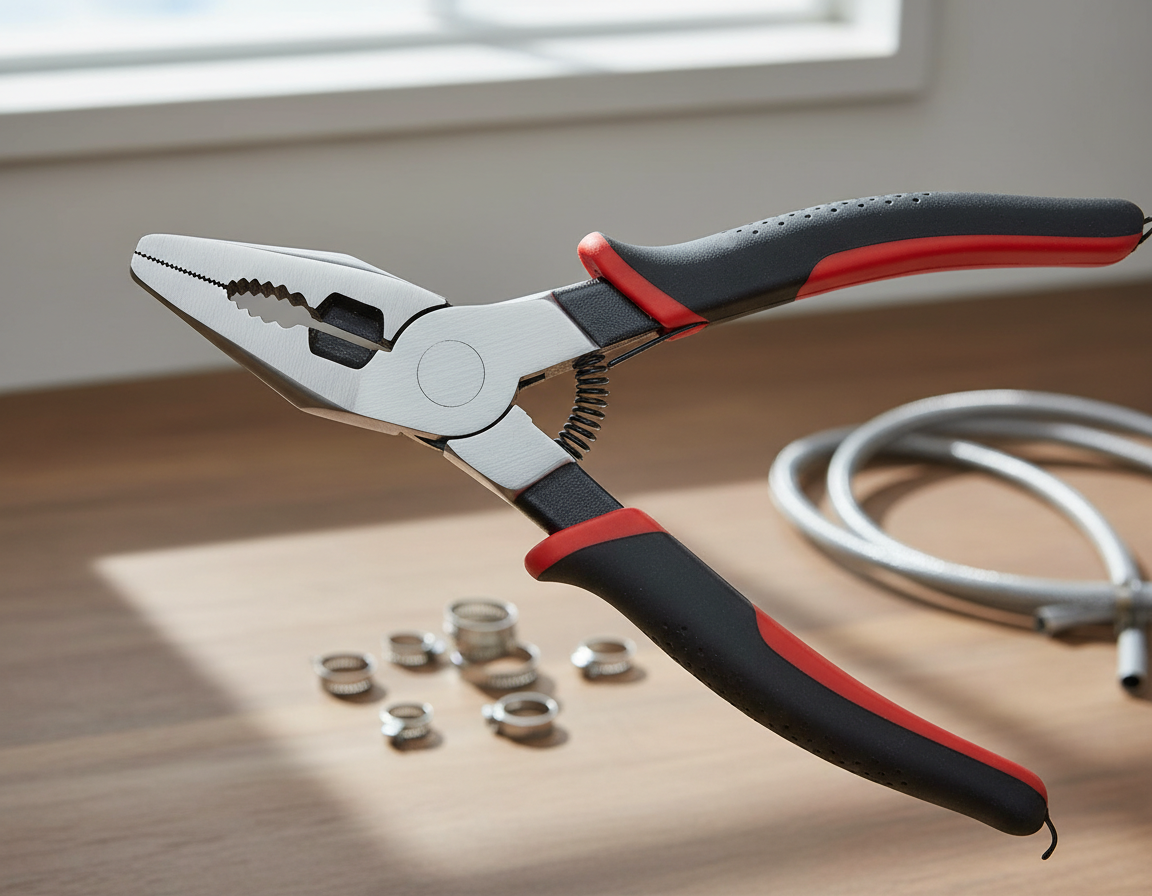
Troubleshooting a Noisy Compressor Tee in Air Lines

Over 70% of maintenance crews prefer forged brass fittings for recurring repairs. They last longer against leaks than cheaper options. Brass Forged Compression Tee’s are widely used by plumbers, MRO technicians, and engineers. They often require trustworthy pipe fittings and durable brass hardware. They unite brass corrosion resistance with forged-body strength. They are well suited for plumbing, hydraulic, pneumatic, and instrumentation systems.

More information about 1 4 Compression Tee
Supplier catalogs typically present pricing in a clear format. For instance, SKU FIT-271 is a 5/16″ Brass Compression Tee. It costs around $17.69 for a single unit and $8.84 at three units. This price structure shows how brass hardware and fittings are sold through wholesale distributors such as Installation Parts Supply.

Buyers and engineers gain an advantage from forged construction when choosing parts for leak-resistant assemblies. This guide helps verify compatibility with copper, aluminum, and thermoplastic tubing. It also helps determine when forged brass tee fittings are the right option for your system.

Important Takeaways

  • Forged brass compression tees offer superior durability for plumbing and industrial uses.
  • They are available through wholesale channels with transparent retail and bulk pricing.
  • Examples like FIT-271 reflect common pricing patterns and SKU structures in the market.
  • These brass fittings can be used with several tubing materials when installed correctly.
  • Installation Parts Supply and similar distributors offer stock availability and technical support for buyers.

Why Select Forged Brass Tee Fittings For Plumbing And Industrial Use

Forged brass tees offer an excellent balance of strength and service life in plumbing and industrial environments. The forging process improves the grain structure of the metal, lowering the chance of internal defects and increasing fatigue resistance. This makes them a top choice for applications where reliable connections are essential.

Compression fittings made from forged brass exhibit superior corrosion resistance compared to some alloys and plated materials. Their capacity to handle water, many hydraulic fluids, and typical industrial conditions without rapid degradation is notable. That reliability reduces maintenance demands and supports long-term installations.

In terms of strength, forged parts usually perform better than cast or machined alternatives. They can tolerate greater mechanical stress and resist cracking more effectively, even during vibration or repeated handling. As a result, installers and maintenance teams often experience fewer breakdowns and less downtime than they would with weaker cast fittings.

These fittings are designed to handle a practical range of pressures and temperatures, suitable for plumbing and low- to medium-pressure hydraulic applications. Brands like Parker and Eaton offer straight compression fittings with ratings of up to about 500 PSI and operating temperatures from -65°F to +250°F. However, some designs are not recommended for gaseous media or high-vibration steel tubing runs, so proper product selection remains essential.

Within plumbing fittings and compressed-fluid systems, forged brass tees stand out because of their durability and resistance to corrosion. They are commonly preferred by plumbers, HVAC technicians, and industrial purchasers. For applications requiring reliable sealing and good mechanical properties, forged brass tees and compatible compression fittings offer a practical and well-understood solution.

1/2 Inch Compression Fitting

Understanding Brass Forged Compression Tee’s

In fluid systems, forged compression tees provide a compact and reliable way to divide or combine flow. These brass fittings are machined to tight tolerances, ensuring a perfect fit with tubing and threaded ports. Catalogs list several styles, including branch, run, and union tees, along with elbows and straight fittings for easier system planning.

Product configurations

Branch tees add a perpendicular branch to a straight run. Run tees maintain three passages in line for balanced flow. Union-style tees feature a removable section for easy disassembly during maintenance. These styles are offered in both SAE and NPTF-threaded versions, helping them match a wide range of valves and components.

Tubing compatibility

Compression tee fittings are compatible with copper and aluminum tubing without inserts. For thermoplastic tubing, installers typically need a support insert to avoid tube collapse and preserve sealing performance. Manufacturers advise against using these fittings with steel tubing in certain product lines to prevent premature wear in mixed-metal systems.

Best-use applications

Brass forged compression tee’s provide corrosion resistance and simple installation, making them well suited for plumbing. They are likewise common in hydraulic and pneumatic installations such as control manifolds and fluid power lines. Instrumentation and HVAC systems benefit from their compact design for retrofit work.

Brass tee fittings and Compression tee fittings are often favored by OEMs, integrators, and MRO teams for their consistent performance and broad compatibility. Availability in both full-pattern and light-pattern variants ensures compatibility with various thread engagement and clearance constraints without part family swaps.

Certain catalog entries provide lead-content notes for local plumbing code compliance. Specification sheets may note whether a part is Not lead free and whether the part number identifies a Light Pattern variation. These details help teams choose the proper item for safety, regulatory compliance, and long-term serviceability.

Compression Fitting Features And Operation

Compression fittings offer a reliable, solder-free connection through a simple mechanical process. The nut, sleeve (ferrule), and body work together as a system. The ferrule compresses around the tube as the nut tightens. This compression forms a tight seal between metal surfaces, capable of withstanding typical plumbing and hydraulic pressures without the need for adhesives.

Nut, sleeve, and body action

The nut draws the ferrule into the fitting body. As the ferrule engages the tube, it creates both radial sealing and axial holding force. This design works well in applications where a consistent, leak-resistant joint is required. Companies like Parker and Eaton test these parts to ensure they are compatible with standard Brass fittings and related Brass hardware.

Tool-free, hand-tight, and grab-ring designs

Some fittings come with grab rings for quick, hand-tight assembly. These designs save time for maintenance and field installation teams. Traditional compression tee fittings, however, usually need a torque wrench to achieve full compression and optimal performance. These hand-tight styles should be used only where they are approved for the specific application.

Serviceability and maintenance

Brass compression fittings can often be reused if disassembled correctly, but ferrules may deform. Replacing the ferrule and checking the nut before reassembly ensures a leak-free connection in critical systems. Suppliers advise following manufacturer guidelines for reuse to maintain the long-term reliability of Brass hardware and Compression tee fittings.

Performance and interchangeability

Components undergo rigorous pressure and temperature testing. This helps installers select compatible parts with greater confidence. When the size and standard are the same, compression fittings will often interchange across SAE-standard brands. That flexibility makes it easier to use parts from trusted pipe fitting brands without sacrificing performance.

Sizing, Selection Criteria, And Typical Part Types

Accurate sizing is essential when choosing fittings. Make sure the Tube O.D. matches every compression port. For threaded connections, ensure the NPTF thread size matches the needed male or female thread. Even small mismatches can cause leaks or require rework.

How to choose the right connection type and size

Use calipers to measure the Tube O.D. and select the appropriate compression ferrule and nut. For threaded ports, determine the NPTF thread specification and nominal size, such as 1/8″ or 1/4″ Male NPTF. Catalogs often show both dimensions, such as 1/4″ Tube O.D. x 1/8″ Male NPTF or 5/16″ Tube O.D. x 1/8″ Male NPTF.

Understanding part variations

Male branch tees are prevalent in many systems, featuring a compression x compression x male NPTF configuration. These fittings allow a tubing run to include a threaded branch connection. Manufacturers often encode size and pattern information in the part number. The suffix “L” generally marks a light pattern fitting, meaning a shorter thread length, though it is often interchangeable with a full pattern version.

Example Part Configuration Typical Catalog Size Notes
BF18291 Compression x Compression x Male NPTF 1/4″ Tube O.D. x 1/8″ Male NPTF Typical cataloged configuration
BF18292 Compression x Compression x Male NPTF 1/4″ Tube O.D. x 1/4″ Male NPTF Larger threaded branch size
BF18293 Compression x Compression x Male NPTF 5/16″ Tube O.D. x 1/8″ Male NPTF Typical catalog size for mixed tube and branch dimensions

Pressure rating and application fit

Most brass tee fittings are suitable for low- to medium-pressure lines. Some straight compression parts can handle up to 500 PSI and operate between -65°F and +250°F. Before using any fitting in a hydraulic or instrumentation system, always confirm the exact pressure class on the product sheet.

Manufacturers often advise against using certain compression designs for gaseous media. Systems with heavy vibration or tube movement may require alternative fittings or additional support to prevent premature failure. Always confirm material compatibility because some fittings may not be suitable for copper, aluminum, or thermoplastic tubing. Thermoplastic lines often need an insert.

Sourcing, Pricing, And Bulk Buying Through Installation Parts Supply

Installation Parts Supply offers detailed SKU-level information and quantity-based breaks for quick comparison. Their catalog examples include both retail pricing and bulk pricing for common Brass hardware products. This helps buyers plan their budgets and lead times effectively.

Typical pricing examples

Small-run pricing shows the difference between single-unit retail and discounted wholesale tiers. For instance, a 5/16″ compression tee, FIT-271, is priced at $17.69 retail but drops to around $8.84 per unit in bulk. Parts like BF18291, BF18292, and BF18293, which are SAE male branch tees, typically range from $7.16 to $7.79. These figures show the savings that can come with bulk purchasing.

Inventory and ordering for distributors and MRO teams

Online access to SKU data and inventory counts benefits both distributors and maintenance teams. Installation Parts Supply includes a Request a Quote workflow for buyers. It collects customer information along with shipping details to generate accurate quotes. When bulk orders are involved, extra shipping details help produce firm quotes.

In-stock items facilitate quick fulfillment for repairs and installations. Buyers can place bulk-order requests or RFQs, include project notes, and request certifications. This helps streamline procurement for OEMs and system integrators.

Why use Installation Parts Supply as your wholesale distributor

Installation Parts Supply maintains a broad inventory designed to serve MROs, contractors, and integrators. Their product range includes Wholesale brass fittings and Brass Forged Compression Tee’s. Their technical support helps confirm compatibility with different tubing materials and guides buyers on part selection.

The distributor provides guidance on SAE standards and pressure connection requirements. Replacement sleeves and nuts are available, and their team can also assist with selecting the right part. This support shortens specification cycles and simplifies bulk purchasing.

Lead times, customer support, and fulfillment

Well-established distributors often combine clear Compression fittings pricing with lead-time estimates and customer support. Installation Parts Supply can process quote requests, provide certification information, and coordinate freight for large shipments. Because of their inventory depth, responsiveness, and Brass hardware expertise, procurement can remain reliable across both small and large projects.

Conclusion

For a wide range of systems, Brass Forged Compression Tee’s deliver dependable and corrosion-resistant connections. Their forged construction and ferrule-based sealing help ensure leak-free performance. They are suitable for copper, aluminum, and thermoplastic tubing, though thermoplastic installations require inserts.

When selecting compression fittings, make sure the tube O.D. and thread type are correctly matched. Choose the right pattern based on space, and check the pressure and temperature ratings. Material compatibility is critical; use inserts with thermoplastic lines and confirm that the fittings meet the required pressure class.

When purchasing, distributors like Installation Parts Supply are worth considering. They provide competitive pricing, volume discounts, and technical support. Request a quote for lead times and volume pricing. Reference common SKUs to compare options and consult their support team for secure installations.

The Essential Guide to Using Oetiker Clamp Pliers

More than 70% of service calls for leaking hose connections are due to incorrect clamp fitting. The right Oetiker Clamp Pliers Tool can solve this problem. The Oetiker tool is a purpose-built pliers tool designed for ear-style clamps. It creates a low-profile, permanent seal on barbed fittings and hoses. Unlike generic pliers, it delivers repeatable, consistent crimps. This reduces leaks and rework in various fields, including plumbing, beverage draft systems, and automotive hoses.

Find out more about Oetiker Marlette MI
Installers looking for the best oetiker pliers need practical, clear guidance. They want to know how to size clamps, crimp correctly, and which brands are durable. Stainless steel Oetiker clamps and sizing charts are available from industry retailers and specialty distributors. Installation Parts Supply is a reliable source for clamps and oetiker tools in the plumbing wholesale market.

What Oetiker Clamps Are And How They Function

Oetiker clamps are ear-style, low-profile bands designed to form a permanent, tight seal around hoses and barbs. They are formed and stamped from stainless steel for strength and corrosion resistance. These clamps are common in plumbing, beverage draft systems, and automotive applications where a space-saving, tamper-resistant connection is needed.

Clamp Design And Materials

Most Oetiker clamps are made from stainless steel, often 301 or 304 grades, to withstand rust in damp environments. The construction uses a continuous band with an integral ear that can be crimped. This stamped, formed construction creates a consistent profile and even contact around the hose and barb.

The low profile helps fit clamps in tight spaces. Uniform contact reduces stress points that may cut or deform softer hose materials. Stainless steel versions are the go-to option for draft beverage systems and plumbing where corrosion must be minimized.

Ear-Style Clamp Operation And Why It Creates A Permanent Seal

The ear is compressed using a specialized tool that deforms the ear and reduces the clamp diameter. A proper crimp creates even radial pressure that squeezes the hose against the fitting. This mechanical deformation makes the joint permanent and tamper-resistant.

Once crimped, the ear cannot be re-tightened like a screw clamp without cutting the clamp off and replacing it. That fixed seal is especially useful for sanitary systems and safety-critical lines. Using the correct oetiker ear clamp tool or oetiker clamp pliers tool ensures reliable seals and consistent crimps.

Common Applications In Plumbing, Beverage Draft Systems, And Automotive Hoses

In beverage draft systems, stainless Oetiker clamps maintain sanitary, corrosion-resistant hose connections. Distributors and suppliers often offer starter kits and sizing guides tailored to kegerator and bar installations.

Plumbing and HVAC use these clamps on PEX, rubber, and multilayer hoses where a low profile and permanent connection are preferred. In automotive work, they secure fuel lines, vacuum hoses, and coolant connections where vibration resistance and space savings matter.

Oetiker Marlette MI

Application Typical Material Why It Works Suggested Tool
Beverage draft systems Stainless steel 304 Clean operation, corrosion resistance, compact profile oetiker ear clamp tool
Domestic plumbing Grades 301/304 stainless steel Permanent seal on PEX and rubber hoses oetiker clamp pliers tool
Automotive hose assemblies Heat-treated stainless steel Vibration resistance and compact fit oetiker hose clamp pliers

Understanding The Oetiker Clamp Pliers Tool

A secure, permanent hose connection depends on using the right tool. An oetiker tool is designed to create the ear profile on ear-style clamps. These clamp pliers offer a unique jaw shape and leverage, ensuring a uniform crimp with each use.

Purpose And How It Differs From Standard Pliers

Oetiker clamp tools feature contoured jaws that mirror the ear’s geometry. This design prevents slipping and ensures even compression. Professionals opt for tools like Beta clamp pliers, which reduce hand fatigue and maintain alignment during repeated use. Unlike standard pliers, oetiker tools provide the precise jaw profile and controlled travel needed for a proper crimp.

Step-By-Step: Using The Clamp Pliers For Installation

Step 1: Select a clamp size that fits the hose and fully covers the barb length.

2. Slide the oetiker clamp onto the hose before connecting it to the fitting. Ensure the clamp is positioned so the ear is accessible.

3. Position the pliers for oetiker clamps so the jaws sit squarely over the ear profile.

Step 4: Squeeze with steady pressure using the oetiker clamp installation tool until the ear is fully compressed. Avoid partial crimps that can leave gaps.

5. Check the crimp for even deformation and full engagement. If the crimp is incomplete, replace the clamp—these clamps form a permanent seal.

Safety Tips And Best Practices When Compressing The Ear

Wear safety glasses to protect against small metal shards when cutting or reworking clamps. Use the correct oetiker clamp tool profile to prevent slipping and reduce hand strain. Confirm clamp sizing with a chart before starting; an undersized clamp can damage the hose, while an oversized clamp will not seal. For beverage and plumbing work, choose stainless steel clamps and clean the hose and barb surfaces for a sanitary connection.

How To Choose The Right Oetiker Tool And Clamp Size

Choosing the right clamp and tool begins with accurate hose measurement and understanding the job environment. Measure the hose’s outer diameter (OD) once it’s fully seated on the barb. Use sizing charts from suppliers like KegOutlet and Installation Parts Supply to find the right clamp size for your OD. Ensure the clamp’s post-crimp range includes your measured OD for a reliable seal.

The width of the clamp is just as important as its diameter. Narrower clamps fit tight spaces and low-profile assemblies. Wider clamps provide higher sealing force for pressurized lines. Confirm the clamp’s length and ear profile match the hose and fitting before purchase.

How to measure hose diameter and pick the right clamp size

  • Seat the hose fully on the barb, then measure the outer diameter (OD).
  • Check the manufacturer sizing chart and choose a clamp whose post-crimp range includes your OD.
  • Match clamp width to the application: narrow for space limits, wide for higher clamp force.

Tool options: single-purpose, adjustable, and heavy-duty models

For standard ear profiles and occasional use, single-purpose clamp pliers are a cost-effective choice. Adjustable oetiker tools with interchangeable jaws are flexible for shops needing to handle different ear shapes and widths. Heavy-duty models are for trade professionals needing consistent crimps across many cycles.

Ergonomics, jaw compatibility, and tool weight should all be considered when making a choice. A compact, lightweight oetiker clamp tool is ideal for occasional work. A professional-grade oetiker clamp installation tool with high leverage reduces hand fatigue during repetitive installs.

Choosing stainless clamps and tools for corrosion resistance

Stainless steel clamps are the standard for beverage draft systems and wet plumbing. They resist corrosion and maintain sanitary conditions in draft beer lines and moist environments. Match tool finishes to the environment; rust-resistant or stainless components extend tool life.

For brewery work and field service, a dedicated oetiker hose clamp pliers should fit stainless ear clamps without deforming their profile. Stocking an oetiker clamp pliers tool and a compatible oetiker tool ensures you can complete installs with the correct hardware and minimal rework.

Job Type Clamp Recommendation Recommended Tool Key Notes
Residential plumbing repairs Narrow-width standard stainless ear clamp Single-purpose oetiker clamp tool Budget-friendly and straightforward for occasional repair work
Draft system lines Stainless steel, wider profile for sealing Oetiker hose clamp pliers with corrosion-resistant finish Sanitary grade and long-term corrosion resistance required
Professional repair and production work Chart-sized range of stainless clamps Adjustable-jaw heavy-duty oetiker clamp tool Durable, high-leverage tool reduces fatigue and improves consistency

Oetiker Tool Comparison: Quality, Brands, And Buying Options

Picking the right oetiker tool requires reviewing both real examples and overall build quality. The Beta 014730010 (1473A) stands out as a professional-grade option, weighing about 393 g. It is known for its reliable jaw profile precision. Various manufacturers offer pliers for oetiker clamps, differing in materials, finish, and warranty terms.

As you compare tools, focus on ergonomics and overall weight. Tools weighing 300–400 g reduce fatigue while providing enough leverage. Features like cushioned grips and well-shaped handles are essential for repetitive tasks. The best oetiker pliers offer a balance between leverage and user comfort, ensuring consistent crimps.

Jaw profile compatibility is essential. Mismatched jaws can lead to poor crimps and clamp failure. Always check the jaw shape against the ear profile of your clamps before buying. A tool with interchangeable jaws can save time when working with multiple clamp sizes.

Here is a compact comparison to guide selections.

Tool Model / Type Weight (g) Key Strengths Ideal Use
Beta 1473A / 014730010 393 Precise jaw geometry, durable finish, trade-backed warranty Professional beverage and plumbing work
Specialty interchangeable-jaw pliers 320–420 Versatile for multiple ear profiles, good ergonomics Work areas using multiple clamp styles
Heavy-duty ear clamp pliers 420–550 Extra leverage for thicker stainless clamps, robust frame Industrial hose assemblies
Tool-and-clamp starter kits Tool ~350 Convenient for new users, matched clamp sizing Smaller workshops and beverage draft setups

Buy Beta clamp pliers and similar brands from authorized dealers whenever possible. This ensures warranty support and genuine products. KegOutlet and similar suppliers offer Oetiker clamp kits and tools for draft systems. Installation Parts Supply is a recommended distributor for trade pricing, bulk orders, and professional-grade stainless Oetiker clamps.

Choose vendors that offer clear return policies and parts service. A verified supplier can replace jaws, honor warranties, and provide spare clamps. For dedicated users, investing in a high-quality oetiker clamp pliers tool pays off in consistent crimps and fewer reworks.

Maintenance, Troubleshooting, And Alternatives

Keeping tools in top condition is essential. Regular cleaning, light lubrication, and dry storage prevent rust and wear. Inspect jaws for deformation and replace tools that no longer shape the ear correctly to avoid wasted clamps and failed seals.

How to maintain pliers and extend tool life

Clean fluids and debris from the oetiker clamp pliers tool after each use. Apply light machine oil to pivot points and rust-inhibiting spray for wet environments. Store the tool in a dry place and inspect teeth and jaw profiles for chips or bending.

Common installation problems and how to fix them

Undersized clamps can bite into hoses or fail under pressure. Use a sizing chart to match hose diameter to clamp size. Choose pliers for oetiker clamps that match the clamp profile. Uneven crimps often result from misalignment. Ensure the oetiker ear clamp tool seats fully over the ear and the jaws align before compressing.

If a crimp is faulty, remove the damaged ear clamp and fit a new one. Use a clamp cutter or tin snips with care to avoid nicking the hose or fitting. For applications needing frequent rework, consider adjustable clamp systems that allow removal and reuse, while noting trade-offs in profile and permanence.

Alternative options and when to use them

For serviceable connections and future disassembly, worm-drive clamps are a suitable option. They are adjustable and reusable but bulkier than ear clamps. Crimp-style swaged or ferrule clamps create permanent mechanical bonds with a swaging tool. They serve fuel lines and hydraulic fittings where specs require them.

Choose an oetiker clamp installation tool or an alternative based on serviceability, space limits, pressure needs, and corrosion environment. Selecting the right approach reduces failures and saves time during repairs.

Closing Summary

Choosing the right Oetiker Clamp Pliers Tool and using it properly are essential for a lasting, leak-free connection. The tool is designed to provide consistent crimps on ear-style clamps. It is essential to match clamp size and material, whether for plumbing or beverage systems. Always measure hose OD accurately and refer to sizing charts to prevent undersized or loose fittings.

Opt for professional-grade equipment when reliability is a must. The best oetiker pliers and a dedicated tool minimize rework and ensure even crimps. Brands like Beta offer clamp pliers that complement quality clamps. Specialist suppliers provide charts and replacement parts, supporting trade use. A proper installation tool ensures secure seals with a low profile that hold up against vibration and corrosion.

To source these products properly, purchase clamps and tools from trusted plumbing wholesalers and distributors like Installation Parts Supply. They offer stainless Oetiker clamps, spare parts, and professional-grade pliers. When you use the correct clamp size with the right Oetiker Clamp Pliers Tool and follow best practices, you achieve permanent, neat hose connections. These are ideal for both commercial and residential applications.

How a Soda Gun Machine Differs from a Post-Mix System

Ever ponder how a bustling bar can deliver consistent sodas in moments? All while reducing costs and using very little storage space? This concise guide delves into commercial bar soda gun systems prevalent in U.S. bars, restaurants, cinemas, and convenience stores. It highlights how a soda gun for bar service can significantly enhance speed, reduce per-serving costs, and optimize storage compared to traditional cans and bottles.

Read more about Soda Gun Parts
We will explore system types, including post-mix and pre-mix, and their core components like Bag-in-Box syrups, CO2, chilled water, and carbonators. You’ll also learn about dispensing options ranging from handheld bar soda guns to fountain towers and draft arms. It also explains cooling choices—cold plate versus mechanical refrigeration—and the practical steps for reliable installation and maintenance.

Why Install Commercial Bar Soda Gun Systems

A commercial bar soda gun system can transform service speed, storage efficiency, and profit margins for your venue. Post-mix setups combine concentrated syrup, CO2, and chilled water to offer drinks at a significantly lower cost than cans and bottles. This method is ideal for bars, restaurants, cinemas, and convenience stores that require fast, consistent pours.

Cost-per-serving and profitability advantages

Post-mix supplies cut costs substantially. A 5-gallon Bag-in-Box of syrup can make about 30 gallons of finished drink at a 5:1 ratio. This reduces the cost per serving to mere cents for a 32-oz pour, while retail prices often exceed $2.50. With a soda gun bar setup and efficient portion control, operators can achieve margins of 80–90%.

Operational efficiency and speed of service

A soda dispenser or handheld bar gun soda can speed up service times. Staff can pour multiple drinks without leaving the line, reducing wait times during busy periods. This efficiency supports combo deals and higher table turns, increasing average checks and throughput in peak hours.

Space and storage benefits compared to cans and bottles

Bag-in-Box containers are compact and shelf-stable, replacing the need for large pallets of cans and refrigerated tanks. This frees up back-of-house space and reduces refrigeration costs. While pre-mix kegs are suitable for low-volume or niche flavors, a bar soft drink dispenser is generally better for busy locations where space matters.

Suitability for different venues

Post-mix soda gun systems are well-suited for medium-to-high-volume environments like gastropubs, stadium concessions, quick-service restaurants, and multiplexes. For mobile operations such as catering trucks or pop-ups, pre-mix cans or small pressurized tanks might be simpler, despite higher per-serving costs. Self-serve venues might prefer all-in-one ice and beverage dispensers, while staffed bars benefit most from a soda gun bar or bar gun soda rig.

The choice of a soda gun bar system depends on volume, menu strategy, and available space. When aligned with operational needs, a bar soft drink dispenser offers better margins, faster service, and a smaller footprint than bottled or canned alternatives.

Soda Dispenser For Bar

How Commercial Bar Soda Gun Systems Work

A commercial bar soda gun system combines pressurized gas, chilled water, and concentrated syrup to create consistent fountain drinks. This section explains the mixing methods, essential components, dispensing options, and cooling choices. It helps operators select the right equipment based on volume and layout.

Pre-mix and post-mix fundamentals

Post-mix systems mix Bag-in-Box syrup with carbonated water at the point of dispense. They use concentrated syrups, offer a low cost per serving, and allow for easy flavor changes. The typical ratio is about five parts water to one part syrup.

Pre-mix systems, on the other hand, ship ready-to-serve drinks in pressurized tanks or 5-gallon Cornelius kegs. These are plug-and-play, reducing setup time. However, they have a higher per-serving cost and require refrigerated storage space.

Core components: Bag-in-Box syrup, CO2, chilled water, and carbonator

Bag-in-Box containers provide concentrated flavors to the dosing valves. One 5-gallon Bag-in-Box can make many gallons of finished beverage when mixed on-site.

CO2 tanks pressurize the system, carbonating water through the carbonator. Regular CO2 checks and leak inspections are essential to avoid service interruptions.

Filtered, chilled water protects valves and preserves taste. The carbonator injects CO2 into this water, making soda water that the post-mix valve blends with syrup.

Dispensing types: handheld soda gun, fountain tower, draft arms

Handheld soda guns are ideal for busy bars. Bartenders use a multi-button gun connected by tubing to remote equipment, ensuring fast service.

Fountain towers mount on counters and connect to under-counter equipment. They are perfect for quick-serve stations where staff pour for customers.

Draft arms or tall towers offer multiple taps for high-volume venues. Their bulky components are housed remotely to reduce noise and heat at the point of sale.

The role of cold plates and mechanical refrigeration

Cold plate for soda gun setups chill product lines with ice-filled plates. They are less expensive upfront and cool effectively but require daily ice replenishment and labor.

Mechanical refrigeration units provide steady temperatures without ongoing ice work. High-volume bars and venues with limited staff often prefer these for consistent cooling and lower daily labor needs.

Choose cooling based on footprint, labor capacity, and temperature control needs. Smaller operators might consider a soda gun system for home use as a compact alternative. Commercial venues, on the other hand, scale to full refrigeration.

Choosing The Right Soda Gun For Bar Service

The right equipment is key to improving speed, reducing waste, and boosting staff comfort. It’s essential to align your menu and sales patterns with a system that offers the right balance of channels, ergonomics, and capacity. Small bars might prefer simpler setups, while high-volume venues require robust, multi-channel solutions designed for continuous use.

Number of channels/valves and flavor variety

Start by counting the flavors you sell the most. Most establishments use 2–6 valves for staples like cola, diet cola, and lemon-lime. Save extra channels for seasonal or promotional flavors to increase repeat business. Before adding rare flavors, track sales for three months to avoid unused valves.

Soda gun for bar versus bar soda machine: ergonomics and form factor

Consider the difference between a handheld bar gun and a fixed bar soda machine. Handheld guns are great for busy back bars and crowded events, providing mobility. The weight, grip, and button layout are critical for reducing bartender fatigue during long shifts.

Countertop or tower bar soda machines offer a stable serving point, ideal for server stations or fixed counters where portability is not necessary. They work well when multiple staff members share one dispensing spot.

Key handheld soda dispenser features to evaluate

The placement and feel of buttons can significantly speed up pours. Group core drinks on adjacent buttons for quick access. Opt for a handheld soda dispenser with removable, easy-to-clean nozzles to prevent syrup buildup.

Hose length is also important. Ensure it’s long enough to serve all stations without kinks. Label each line with permanent markers or tags to keep brands and syrup types clear during changeovers.

Aligning system capacity with service needs

Low-volume venues might choose small post-mix systems or pre-mix setups to lower initial costs. Busy bars, on the other hand, should invest in multi-valve systems with mechanical refrigeration, a larger Bag-in-Box inventory, and portion-control valves. This maintains consistency and reduces syrup waste.

Consider a bar gun dispenser or soda gun for bar that supports portion-control or electronic pumps when slow pours impact profit. Align your equipment choice with service speed, staffing levels, and peak-hour demand for optimal results.

Installation And Soda Gun Setup Best Practices

Proper soda gun setup begins with planning plumbing, electrical, and parts sourcing before mounting any equipment. A detailed checklist helps avoid downtime and costly rework. Follow these steps for a smooth soda gun installation, ensuring restaurants and bars can quickly serve consistent drinks.

Waterline and professional plumbing considerations

For hard-plumb post-mix systems, a dedicated cold water line and a shut-off valve near the carbonator are essential. Install a floor drain for condensation or overflow. Use a beverage-grade water filter and replace it every 3–6 months, more frequently in hard water areas, to protect equipment.

Ensure dedicated electrical circuits for mechanical refrigeration and the carbonator. Provide technicians with clear access to valves and service panels for efficient repairs.

Cutting tubing, ear clamps, barb fittings, and labeling lines

Measure and cut tubing runs with a clean, square cut. Use ear clamps, barb fittings, and crimp them securely. Test each joint for leaks with a soap solution before completing the installation.

Label each line with permanent markers or adhesive tags, indicating syrup brand and flavor. Labeled lines streamline syrup swaps and troubleshooting, reducing service interruptions.

Mounting the gun housing, drip cup connections, and ventilation space

Attach the mounting plate and secure the soda gun housing to the bar using suitable fasteners. Connect the hose from the gun to the drip cup for spill and condensate drainage. Empty and clean drip trays daily for hygiene and appearance.

Ensure proper ventilation clearance around refrigeration units and carbonators, adhering to manufacturer specifications. Adequate airflow prevents overheating and facilitates safe access for routine checks.

Using a distributor and sourcing Installation Parts Supply parts

Acquire reliable soda gun parts and supplies from reputable plumbing wholesalers and distributors, such as Installation Parts Supply. Source beverage-grade hoses, ear clamps, barb fittings, nozzles, cold plates, and replacement components that match equipment specifications.

Collaborate with experienced installers or equipment specialists for calibration of Brix ratios, CO2 regulator setup, and leak testing. Maintain a stocked spares list for ear clamps, barb fittings, nozzles, and hoses to minimize downtime of the soda gun dispenser.

Maintenance, Cleaning, And Troubleshooting

Regular care is essential for a commercial soda system’s reliability and taste. Daily tasks, weekly sanitation, and scheduled service prevent downtime. Always use genuine soda gun parts for replacements to maintain performance and flavor.

Daily nozzle and valve cleaning routines

At the end of the day, remove nozzles and clean valve faces to prevent syrup drying. Soak removable tips in a manufacturer-approved cleaner and rinse with potable water. Clean drip trays and wipe the soda dispenser gun’s external housings to avoid sticky buildup.

Weekly line sanitation and drip tray maintenance

Sanitize syrup and water lines weekly, following the manufacturer’s instructions. Flush lines with an approved sanitizer, then run potable water until all residue clears. This prevents flavor carryover. Also, disassemble ice chutes and dispensing areas for a deeper clean when present.

Periodic maintenance: CO2 checks, filters, and professional service

Regularly check CO2 tank pressure and test fittings with a soap solution for leaks. Replace water filters every three to six months to protect the carbonator and maintain taste. Schedule seasonal inspections for refrigeration, cold plates, and overall calibration by a certified technician.

Common problems and how to identify them

  • Syrup buildup: sticky nozzles or slow pour — inspect nozzles, clean lines, and swap worn gaskets for correct sealing.
  • Flat soda: weak carbonation usually points to low CO2 pressure, an empty tank, or a cooling issue — verify tank levels and system temperature.
  • Leaks: follow wet spots back to ear clamps, barb fittings, and hose connections — tighten or re-crimp tubing and replace worn soda gun parts.
  • Flavor contamination: off-tastes may indicate cross-connection or poor sanitation — flush the lines and confirm correct labeling and hose routing.

When facing persistent faults, follow the equipment maker’s troubleshooting steps before replacing parts. Keep a basic parts kit with extra nozzles, O-rings, and clamps for quick repairs and uninterrupted service.

Core Components, Parts, And Upgrades For Long-Term Use

Ensuring a commercial soda system’s reliability hinges on the right parts and timely upgrades. Regular maintenance of wear items prevents downtime and safeguards profit margins. Below, we highlight the core components and optional enhancements critical for sustained performance.

Must-have soda gun components

  • Removable soda gun nozzle pieces facilitate daily cleaning, reducing syrup buildup. Replace nozzles at the first sign of wear to maintain flow and flavor.
  • The beverage path relies on food-grade hoses, ear clamps, and barb fittings. Maintain spare hoses and clamps so leaks can be fixed quickly during busy periods.
  • Choose a cold plate for soda gun systems that matches valve count and peak demand. A properly sized cold plate keeps drinks at the right temperature and reduces foaming.
  • CO2 regulators and carbonator components need regular service. Worn diaphragms and seals can hurt carbonation and should be inspected routinely.

Optional upgrades for better control and visibility

  • Portion-control valves provide fixed pour volumes and reduce over-pouring. Busy venues use them to protect profit margins.
  • IoT monitoring adds alerts for low syrup, low CO2, and temperature changes. Remote dashboards make multi-location troubleshooting easier for managers.
  • Touchscreen interfaces and flavor-infusion modules offer upsell opportunities for self-serve formats. They simplify customization for guests and staff.

Ice integration and bin choices

  • Integrated ice-and-beverage systems speed service by combining drink dispensing with ice handling. Choose bin size according to peak demand, from smaller 100 lb bins to 580+ lb commercial options.
  • Select ice type based on dispense profile. Cubed ice melts slower, preserving dilution. Cubelet or nugget ice chills faster but can dilute drinks sooner.

Reliable sources for parts and service

  • Acquire fittings, clamps, hoses, nozzles, and installation hardware from established plumbing wholesale distributors. Building relationships with suppliers shortens lead times.
  • Installation Parts Supply stocks common replacement items and installation hardware used by service technicians. Having a local account expedites emergency parts replacement.
  • Collaborate with certified service technicians for periodic inspections. A standing maintenance agreement reduces surprise failures and extends equipment life.

Cost Factors And Return On Investment

Installing a commercial bar soda gun system involves various costs. These include the initial purchase of a soda gun machine, a cold plate or refrigeration unit, a carbonator, a CO2 tank, water filtration, and professional installation. Skilled technicians ensure proper installation, including tubing, crimps, mounting, and refrigeration hookups. This is essential for warranty protection and long-term performance.

Starting Costs

Basic handheld setups are more affordable than full fountain towers. Investing in a quality bar dispenser gun and a reliable cold plate increases the initial cost. Mechanical refrigeration and a commercial carbonator are additional expenses for higher volume or strict temperature control needs.

Ongoing Costs

Operating the system involves ongoing expenses. These include BiB syrup, CO2 refills, water, filter cartridges, electricity, and cleaning supplies. Regular service and part replacements are necessary to maintain freshness and consistency. Tracking monthly operating costs helps in budget forecasting.

Estimating ROI

Post-mix serving costs are significantly lower than bottled or canned drinks. Many venues see a return on investment within months, depending on volume. Calculating ROI involves comparing cost-per-serving, increased throughput, and higher check averages against initial and ongoing expenses.

Budgeting For Replacements And Spares

It’s important to budget for replacements and spares. This includes nozzles, hoses, clamps, regulators, and periodic cold plate service. Having spare parts readily available, sourced from established distributors like Installation Parts Supply, can minimize downtime. For those considering a soda gun for home, similar spare parts and basic maintenance should be planned for.

A Practical Checklist

  • Request several quotes for equipment and installation.
  • Compare long-term operating expenses against cans and bottles.
  • Factor labor savings from faster pours and self-serve options.
  • Allocate a maintenance contract to protect uptime and quality.

Closing Summary

Commercial Bar Soda Gun Systems bring significant benefits to establishments that frequently serve fountain drinks. These systems, which include a post-mix soda gun dispenser, Bag-in-Box syrup, CO2, chilled water, and a carbonator, significantly reduce costs and enhance service speed. The right bar soda gun system ensures it meets the venue’s volume and service needs.

Ensuring the soda gun is set up correctly and maintained regularly is essential for consistent quality. This includes proper handling of tubing, ear clamps, barb fittings, and labeling. Daily nozzle cleaning, weekly line sanitizing, CO2 checks, and filter replacement are also critical. These steps keep the machines running smoothly and extend the life of the soda gun parts.

Features such as portion-control valves and IoT monitoring can further limit waste and improve consistency. Obtaining supplies from trusted sources, such as Installation Parts Supply, also helps minimize downtime. When implemented and maintained properly, a soda gun dispenser offers faster service, reduced storage needs, and a strong return on investment for bars, restaurants, and other venues.